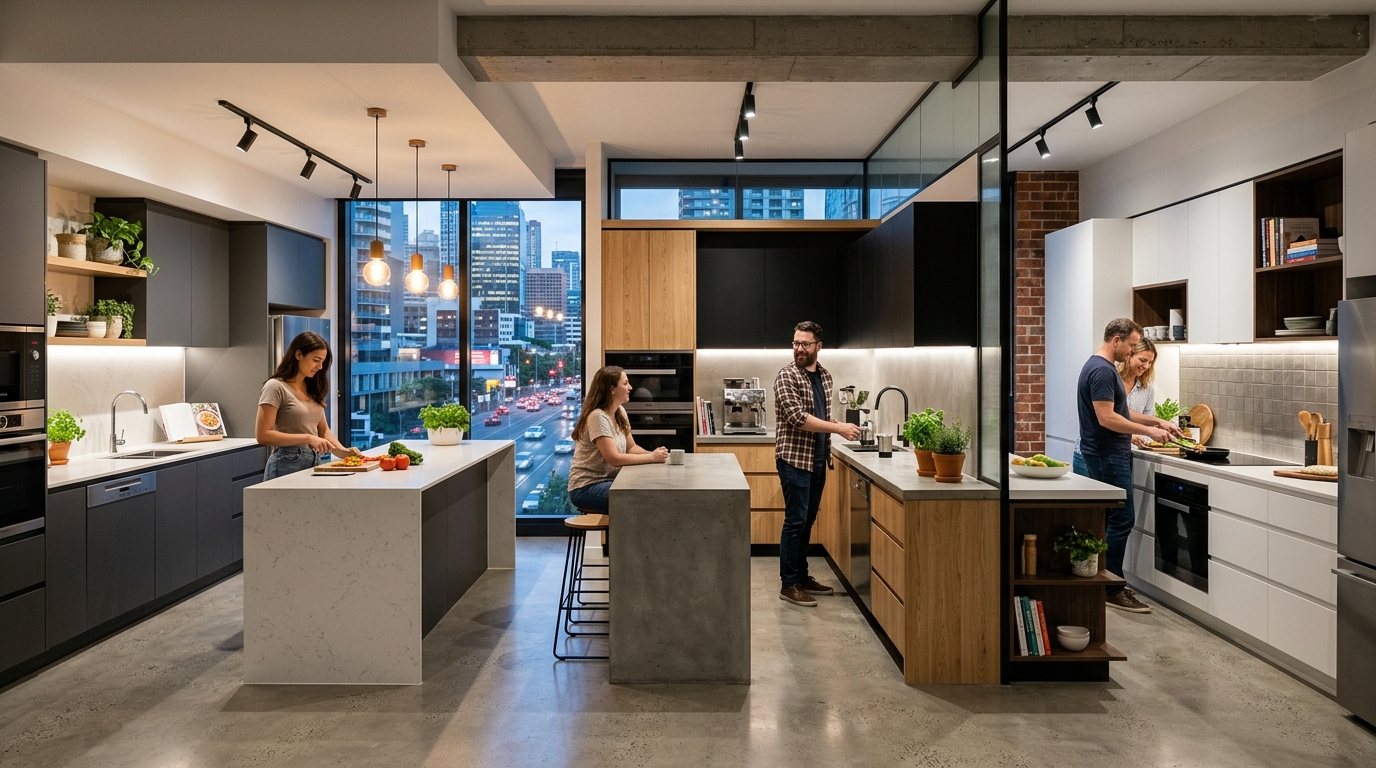
Embracing the Future of Building: Creative Materials for a Sustainable Tomorrow
The Evolution of Building Materials
In the world of construction, building materials have come a long way since the early days of brick and mortar. The rise of new technologies and innovative thinking has led to the development of creative building materials that not only enhance the aesthetic appeal of a structure but also contribute to a more sustainable future.
Traditional building materials like wood, steel, and concrete are still widely used today, but they have their limitations. They can be expensive, heavy, and contribute to environmental degradation. The demand for eco-friendly and energy-efficient building solutions has sparked a revolution in the construction industry, driving the creation of novel materials that cater to the needs of a changing world.
Recycled and Repurposed Materials
One of the most exciting trends in building materials is the use of recycled and repurposed materials. These creative solutions not only reduce waste but also offer a sustainable alternative to traditional materials.
- Recycled Glass Aggregate: Made from crushed glass, this material is used as a substitute for sand in concrete. It reduces the environmental impact of concrete production and provides a durable, long-lasting finish.
- Recycled Plastic Lumber: A durable and low-maintenance alternative to traditional wood, recycled plastic lumber is made from post-consumer plastic waste. It’s perfect for outdoor decking, fencing, and other applications where durability is key.
- Upcycled Metal: Repurposed metal from old machinery, cars, and other industrial sources is transformed into unique building materials. This process reduces waste, conserves resources, and adds character to a structure.
Unconventional Materials
Some of the most innovative building materials are those that defy conventional thinking. These materials offer unique properties, durability, and sustainability that set them apart from traditional materials.
Bamboo is one such material. With its remarkable strength-to-weight ratio and natural resistance to pests and decay, bamboo is an ideal choice for building sustainable structures. Its versatility allows it to be used for flooring, roofing, and even as a structural material.
Cork is another example of an unconventional material gaining popularity. A natural, renewable resource, cork is highly insulating and resistant to moisture, making it perfect for applications where thermal performance is crucial.
Mycelium, the vegetative part of a mushroom, has also found its way into the world of building materials. This innovative material is used as a sustainable alternative to traditional insulation, providing a unique solution for building energy-efficient structures.
Modular and Prefabricated Systems
Modular and prefabricated building systems have become increasingly popular in recent years. These creative solutions offer a range of benefits, including reduced construction time, improved quality control, and enhanced sustainability.
Modular Prefabricated Panels are one such innovation. These panels are made from a variety of materials, including recycled plastics, and can be easily assembled on-site to form complete structures.
Prefabricated Timber Modules offer a sustainable alternative to traditional building methods. Made from locally sourced timber, these modules can be constructed in a factory, transported to site, and assembled to form a complete building.
Future of Building Materials
As we look to the future of building materials, it’s clear that the industry is on the cusp of a revolution. With the growing demand for sustainable solutions, the development of creative building materials will only continue to accelerate.
The future of building materials will be shaped by the convergence of technology, innovation, and environmental concerns. As the construction industry continues to evolve, we can expect to see even more novel materials emerge, each offering unique benefits and solutions for a sustainable tomorrow.
Conclusion
Embracing creative building materials is not just a matter of aesthetics; it’s a commitment to a more sustainable future. By exploring unconventional materials and innovative technologies, we can build structures that not only meet the needs of today but also those of generations to come.
Practical FAQ
Q: What are the benefits of using recycled materials in building construction?
A: Recycled materials offer a range of benefits, including reduced waste, lower environmental impact, and cost savings. They also provide a unique opportunity to upcycle and repurpose materials, reducing the demand for virgin materials and the associated environmental degradation.
Q: How do I choose the right creative building material for my project?
A: The choice of building material depends on the specific needs of your project. Consider factors such as sustainability, durability, cost, and aesthetic appeal. Research different materials and their applications to find the best fit for your project.
Q: Can I use creative building materials for interior design and decoration?
A: Yes, creative building materials can be used for interior design and decoration. Consider using recycled glass aggregate for countertops, or repurposed metal for decorative features. The possibilities are endless, and the result can be truly unique and sustainable.
Q: What are some of the most innovative building materials on the market today?
A: Some of the most innovative building materials include mycelium, recycled glass aggregate, and upcycled metal. These materials offer a range of benefits, from sustainability and durability to unique aesthetic appeal.
Q: Can I use creative building materials for large-scale construction projects?
A: Yes, creative building materials can be used for large-scale construction projects. Consider using prefabricated timber modules or modular prefabricated panels for speed, efficiency, and sustainability.
Leave a Reply