Category: ARTIFICIAL INTELLIGENCE

  • Tiny Spaces, Big Impact: 5 Game-Changing Tech Hacks for Smaller Apartments

    Tiny Spaces, Big Impact: 5 Game-Changing Tech Hacks for Smaller Apartments

    Smart Living for Small Spaces

    Revolutionizing Tech for Compact Apartments

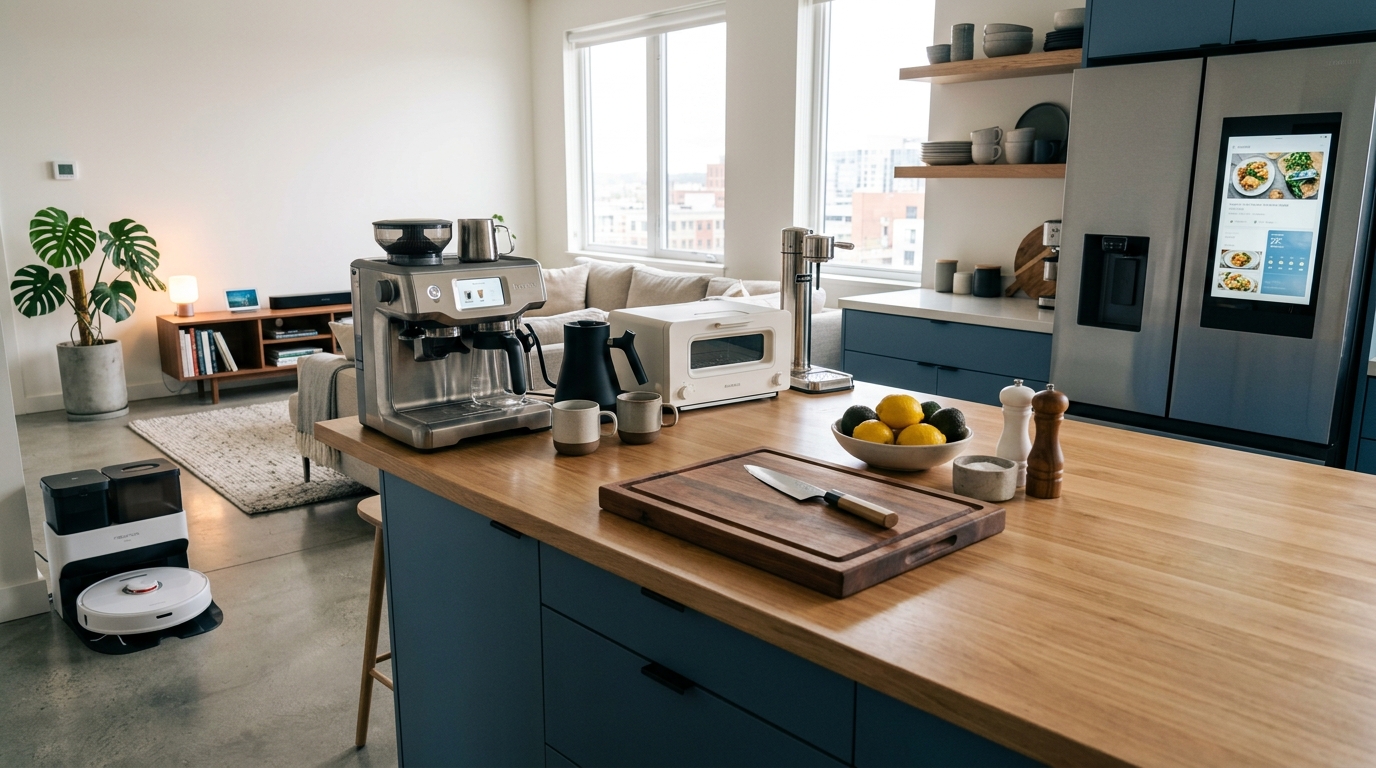
    As urban living becomes increasingly popular, the demand for efficient and effective tech solutions for small apartments has skyrocketed. Gone are the days of cluttered spaces and mediocre functionality. Today’s smart home enthusiasts expect seamless integration, user-friendly interfaces, and cutting-edge innovations to enhance their living experience.

    Efficient Lighting

    One of the most significant challenges in small apartments is managing lighting. With limited square footage, it’s crucial to utilize space wisely. Enter smart lighting systems, which can adjust brightness and color temperature to suit your mood and needs. These systems can be controlled via voice commands, smartphone apps, or even smart thermostats, ensuring you’re always in a comfortable environment.

    Space-Saving Solutions

    Compact living requires clever storage and organization strategies. Smart furniture and multi-functional decor can help maximize space. For instance, a sofa bed with built-in storage or a coffee table with a hidden compartment can provide ample storage while maintaining a sleek aesthetic. These space-saving solutions can be tailored to fit your specific needs and preferences.

    Smart Home Automation

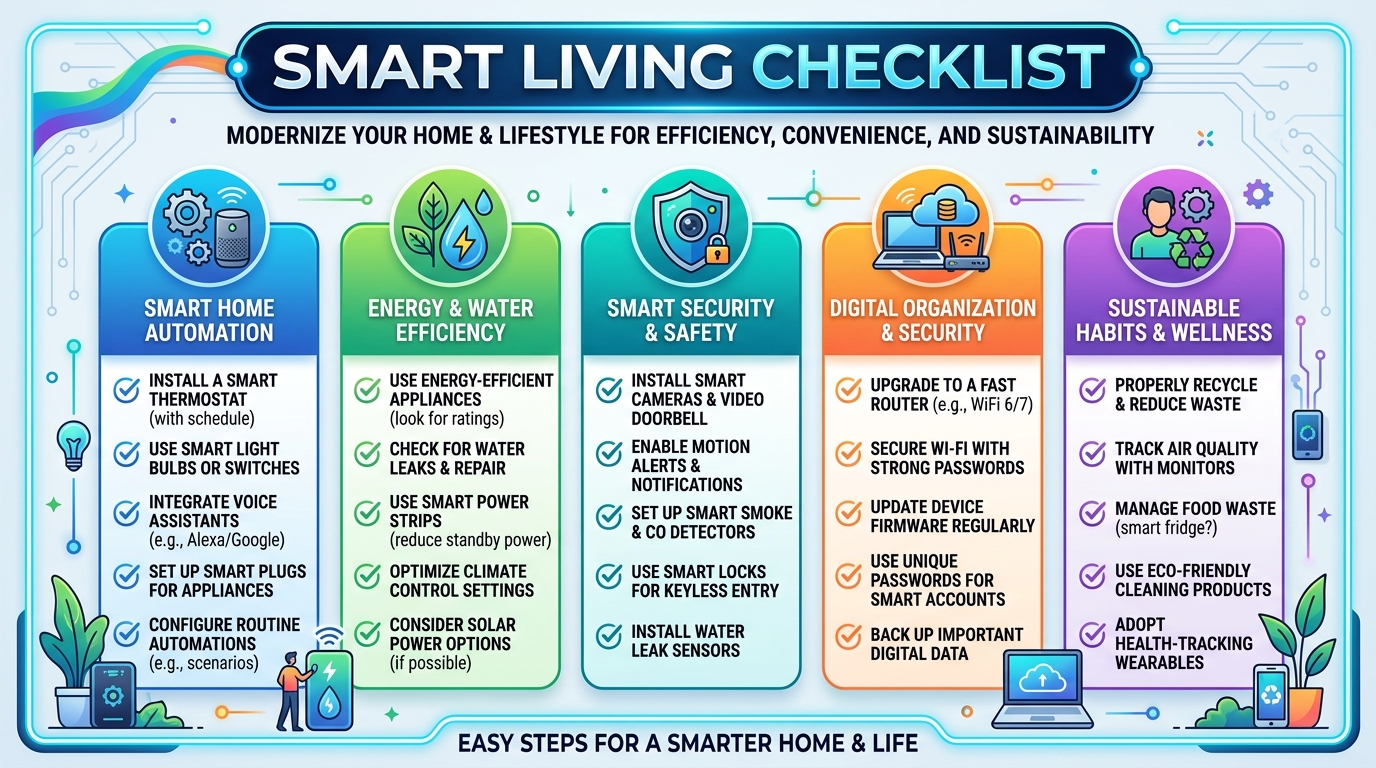
    Smart home automation is the key to optimizing your small apartment’s performance. By integrating various smart devices, you can create a seamless and efficient living space. This can include temperature control, security systems, and even smart appliances that can be controlled remotely. With smart home automation, you can enjoy the convenience of having your home adjust to your needs, whether you’re away or at home.

    Energy Efficiency and Savings

    Small apartments can be notoriously energy-inefficient. However, with the right smart tech solutions, you can minimize your energy consumption and lower your utility bills. Smart thermostats, for example, can learn your temperature preferences and adjust the temperature accordingly. Additionally, smart plugs and energy monitors can help you track and optimize your energy usage in real-time.

    Enhancing Entertainment and Leisure

    Smart tech can also elevate your entertainment and leisure experience in a small apartment. A smart TV, for instance, can provide an immersive viewing experience with features like voice control and multi-device streaming. Furthermore, a smart speaker or soundbar can enhance your audio experience, making you feel like you’re in a larger space.

    Practical Considerations for Small Apartment Tech

    Can I really afford to invest in smart home technology?

    While smart home technology can be an investment, it’s not necessarily a costly one. Many smart devices and systems can be purchased at a relatively low cost, and some even offer affordable monthly subscription plans. When considering the long-term benefits of smart home technology, such as energy efficiency and increased convenience, the cost can be a worthwhile investment.

    Will smart home technology really make a difference in my small apartment?

    Smart home technology can significantly enhance your living experience in a small apartment. By streamlining your space and making the most of your resources, you can create a more comfortable and enjoyable home environment. Additionally, smart tech can help you save energy and money, making it a practical choice for small apartment dwellers.

    How do I know which smart devices to choose for my small apartment?

    Choosing the right smart devices for your small apartment can be overwhelming, but consider the following factors: your specific needs, the size and layout of your space, and your budget. Research different smart devices and systems, read reviews, and talk to friends or family members who have implemented smart home technology in their own homes.

    Can I integrate smart home technology with my existing appliances and devices?

    Many smart devices and systems are designed to be compatible with existing appliances and devices, making it easier to integrate smart home technology into your small apartment. However, it’s essential to research the compatibility of specific devices and systems before making a purchase.

    Will smart home technology make my small apartment feel smaller?

    Smart home technology can actually make your small apartment feel more spacious and efficient. By streamlining your space and utilizing smart devices and systems, you can create a more open and airy living environment, despite the compact size of your space.

    Conclusion

    Smart tech for small apartments is no longer a luxury, but a necessity for those seeking a comfortable, efficient, and enjoyable living experience. By incorporating smart devices and systems into your home, you can create a seamless and harmonious living environment that adapts to your needs and preferences. Whether you’re looking to save energy, enhance entertainment, or simply make the most of your space, smart home technology has something to offer every small apartment dweller.

  • 5 Futuristic City Concepts That Will Revolutionize Urban Living

    5 Futuristic City Concepts That Will Revolutionize Urban Living

    Future City Concepts

    Introduction

    As the world continues to urbanize at an unprecedented rate, the concept of future cities is gaining significant attention from policymakers, architects, and urban planners. With the global population projected to reach 9.7 billion by 2050, creating sustainable and livable cities is a pressing concern. In this article, we will delve into various future city concepts that aim to address the challenges of rapid urbanization and provide a glimpse into what tomorrow’s cities might look like.

    Smart Cities: A Key Concept in Future City Planning

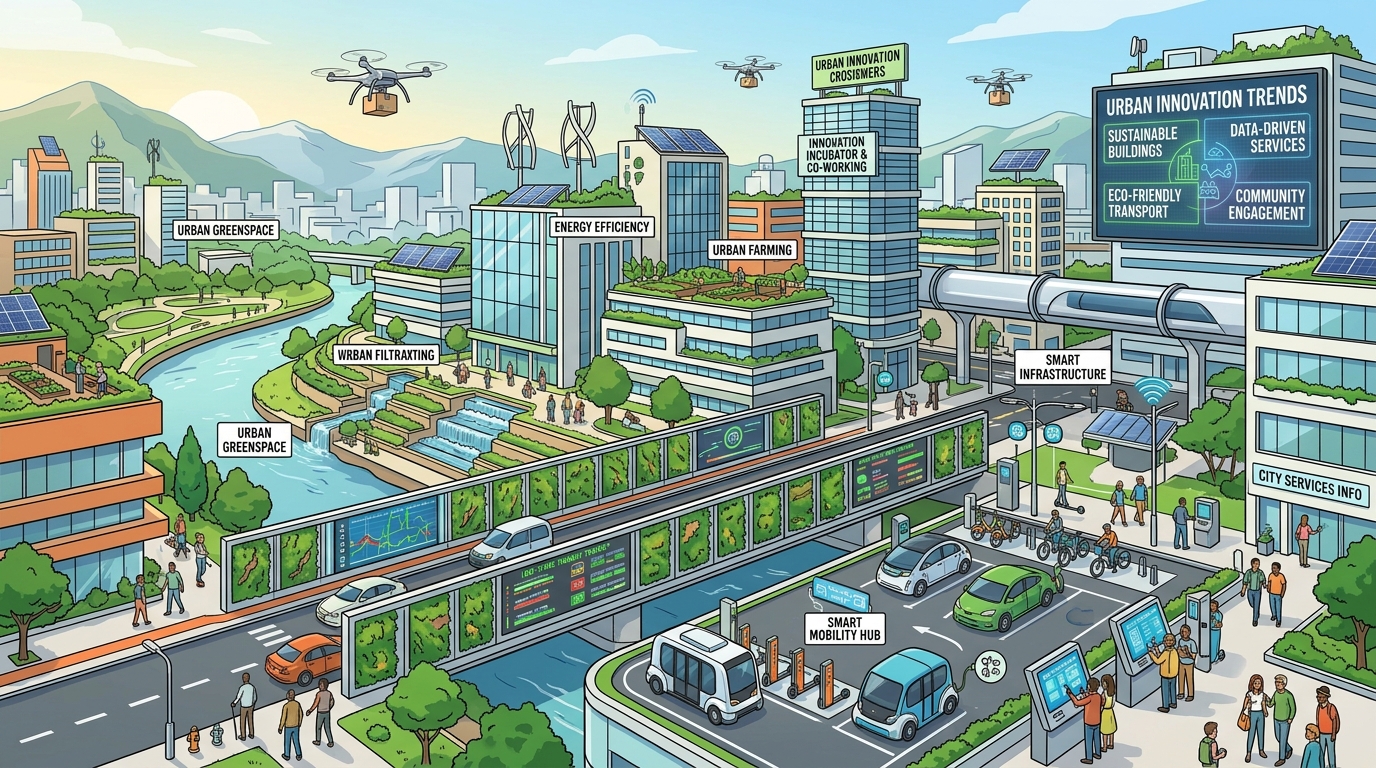
    Smart cities are a crucial aspect of future city planning, integrating technology and data to create efficient and sustainable urban environments. These cities utilize sensors, data analytics, and IoT (Internet of Things) to monitor and manage various aspects of city life, such as energy consumption, traffic flow, and waste management. The goal is to create a seamless and responsive urban ecosystem that enhances the quality of life for citizens.

    Some notable features of smart cities include:

    • Intelligent transportation systems, which optimize traffic flow and reduce congestion
    • Energy-efficient buildings and green infrastructure, which minimize environmental impact
    • Advanced public safety systems, which enable real-time emergency response and crime prevention
    • Virtual and augmented reality platforms, which enhance civic engagement and participation

    Sustainable Cities: A Focus on Environmental Stewardship

    Sustainable cities prioritize environmental stewardship, aiming to minimize their ecological footprint while promoting eco-friendly practices. These cities often feature:

    • Green roofs and vertical gardens, which increase urban biodiversity and reduce urban heat islands
    • Water-efficient systems and greywater reuse, which conserve this precious resource
    • Waste-to-energy facilities and zero-waste policies, which minimize waste disposal and emissions
    • Carbon-neutral transportation systems, which promote the use of electric vehicles and public transit

    Resilient Cities: A Focus on Climate Change and Disaster Mitigation

    Resilient cities are designed to withstand the impacts of climate change and natural disasters, such as sea-level rise, extreme weather events, and earthquakes. These cities often feature:

    • Adaptive infrastructure, which can adapt to changing environmental conditions and sea-level rise
    • Climate-resilient buildings, which are designed to withstand extreme weather events and flooding
    • Early warning systems and emergency preparedness plans, which enable swift and effective response to disasters
    • Urban planning strategies, which promote flood-resistant design and green infrastructure

    Hybrid Cities: A Blend of Urban and Rural Landscapes

    Hybrid cities aim to merge the benefits of urban and rural living, creating a unique and diverse urban landscape. These cities often feature:

    • Green corridors and urban parks, which connect urban and rural areas and promote biodiversity
    • Flexible zoning regulations, which allow for a mix of residential, commercial, and agricultural uses
    • Community gardens and urban agriculture initiatives, which promote local food production and community engagement
    • Public transportation systems, which connect urban and rural areas and promote sustainable transportation

    Conclusion

    Future city concepts are rapidly evolving to address the challenges of rapid urbanization and climate change. From smart cities to sustainable and resilient cities, these concepts aim to create livable, efficient, and sustainable urban environments. As the world continues to urbanize, it is essential to prioritize future city planning and development, ensuring that tomorrow’s cities are not only habitable but also environmentally and economically sustainable.

    FAQ

    Q: What is the primary goal of smart cities?

    The primary goal of smart cities is to create efficient and sustainable urban environments by integrating technology and data to monitor and manage various aspects of city life.

    Q: How do sustainable cities reduce their ecological footprint?

    Sustainable cities reduce their ecological footprint by implementing eco-friendly practices, such as using green roofs, water-efficient systems, and waste-to-energy facilities.

    Q: What is the focus of resilient cities?

    The focus of resilient cities is to withstand the impacts of climate change and natural disasters, such as sea-level rise, extreme weather events, and earthquakes.

    Q: What is the main advantage of hybrid cities?

    The main advantage of hybrid cities is that they merge the benefits of urban and rural living, creating a unique and diverse urban landscape.

  • Top 5 Smart Gadgets That’ll Upgrade Your Daily Life

    Top 5 Smart Gadgets That’ll Upgrade Your Daily Life

    Smart Gadgets Review: A Comprehensive Look at the Latest Tech Trends

    In today’s fast-paced world, technology is advancing at an incredible rate. The proliferation of smart devices has revolutionized the way we live, work, and interact with one another. From smart speakers to smart home security systems, the possibilities are endless. In this review, we’ll delve into the world of smart gadgets, exploring their features, benefits, and potential drawbacks.

    The Rise of Smart Speakers

    Smart speakers have been one of the most significant innovations in recent years. Devices like Amazon Echo and Google Home have become household names, with millions of units sold worldwide. These speakers are not only capable of playing music but also serve as a central hub for smart home control, voice commands, and information retrieval.

    Key Features of Smart Speakers

    • Multi-room audio control
    • Integration with other smart devices
    • Personalized recommendations
    • Voice control and smart home automation

    Smart Home Security Systems

    Smart home security systems have become a top priority for many homeowners. These systems offer advanced features like motion detection, facial recognition, and real-time alerts. With the rise of smart security, consumers can now monitor their homes remotely, receive notifications, and even control their security systems using their smartphones.

    Key Features of Smart Home Security Systems

    • Remote monitoring and alerts
    • Smart door locks and access control
    • li>Advanced motion detection and facial recognition

    • Integration with other smart devices

    Wearable Technology

    Wearable technology has also become a significant trend in the smart gadgets world. Fitness trackers, smartwatches, and activity monitors have become an integral part of many people’s daily lives. These devices track various health metrics, provide insights into physical activity, and even offer advanced features like GPS tracking and heart rate monitoring.

    Key Features of Wearable Technology

    • Activity tracking and fitness monitoring
    • GPS tracking and location services
    • Heart rate monitoring and advanced health metrics
    • Integration with other smart devices

    The Future of Smart Gadgets

    As technology continues to evolve, we can expect to see even more innovative smart gadgets in the future. From smart home appliances to advanced health monitoring devices, the possibilities are endless. With the rise of 5G networks and artificial intelligence, we can anticipate even more seamless integration between smart devices and our daily lives.

    Smart Gadgets and Energy Efficiency

    One of the significant benefits of smart gadgets is their ability to improve energy efficiency. Smart thermostats, for example, can learn your daily routines and adjust the temperature accordingly, reducing energy consumption. Similarly, smart lighting systems can optimize energy usage by automatically turning off lights when not in use.

    Smart Gadgets and Home Automation

    Smart gadgets have also revolutionized home automation. With the ability to control devices remotely, homeowners can now create a seamless and automated experience in their homes. From adjusting the temperature to controlling security systems, smart gadgets have made it possible to create a truly smart home.

    Conclusion

    Smart gadgets have become an integral part of our daily lives, offering a wide range of benefits and features. From smart speakers to smart home security systems, the possibilities are endless. As technology continues to evolve, we can expect to see even more innovative smart gadgets in the future. Whether you’re looking to improve energy efficiency, home automation, or simply stay connected, smart gadgets have something to offer.

    FAQs

    Q: What are the benefits of smart speakers?

    A: Smart speakers offer a wide range of benefits, including multi-room audio control, integration with other smart devices, personalized recommendations, and voice control and smart home automation.

    Q: How do smart home security systems work?

    A: Smart home security systems use advanced features like motion detection, facial recognition, and real-time alerts to provide homeowners with a secure and connected experience.

    Q: What are the key features of wearable technology?

    A: Wearable technology offers advanced features like activity tracking, fitness monitoring, GPS tracking, and heart rate monitoring, making it an essential part of many people’s daily lives.

    Q: How can smart gadgets improve energy efficiency?

    A: Smart gadgets can improve energy efficiency by automatically adjusting temperature, turning off lights when not in use, and optimizing energy usage, making them an essential part of any smart home.

  • 10 Game-Changing Technologies Revolutionizing City Living

    10 Game-Changing Technologies Revolutionizing City Living

    Modern Urban Technology: Revolutionizing the Way We Live and Work

    As we navigate the complexities of modern urban living, it’s clear that technology has become an integral part of our daily lives. From the way we commute to the way we interact with each other, technology has transformed the urban landscape in profound ways. In this article, we’ll explore the impact of modern urban technology on our cities, our communities, and our lives.

    The Rise of Smart Cities

    Smart cities are a hallmark of modern urban technology. These cities harness the power of data and sensors to create a more efficient, sustainable, and connected urban environment. From smart traffic management to energy-efficient buildings, smart cities are redefining the way we live and work.

    • Smart traffic management systems, which use data analytics to optimize traffic flow and reduce congestion.
    • Energy-efficient buildings, which use advanced technologies to reduce energy consumption and lower carbon emissions.
    • Smart public transportation systems, which use real-time data to optimize routes and schedules.

    The Internet of Things (IoT) and Urban Infrastructure

    The Internet of Things (IoT) has transformed the way we interact with urban infrastructure. From smart streetlights to intelligent waste management systems, the IoT has enabled cities to become more responsive, efficient, and connected.

    • Smart streetlights, which use sensors to adjust brightness and color based on traffic and pedestrian activity.
    • Intelligent waste management systems, which use sensors and data analytics to optimize waste collection and reduce waste.
    • Smart parking systems, which use sensors and data analytics to optimize parking availability and reduce congestion.

    Urban Mobility and Transportation

    Modern urban technology has transformed the way we move around cities. From ride-hailing services to electric vehicles, urban mobility has become more efficient, sustainable, and connected.

    • Ride-hailing services, which use data analytics to optimize routes and reduce congestion.
    • Electric vehicles, which use advanced technologies to reduce emissions and lower operating costs.
    • Smart bike-share systems, which use data analytics to optimize bike availability and reduce congestion.

    Public Safety and Emergency Response

    Modern urban technology has also transformed the way we respond to emergencies. From smart public safety systems to advanced emergency response protocols, cities are becoming safer and more responsive.

    • Smart public safety systems, which use data analytics to identify and respond to emergency situations.
    • Advanced emergency response protocols, which use data analytics to optimize response times and reduce emergency response costs.
    • Smart surveillance systems, which use data analytics to identify and respond to suspicious activity.

    The Future of Urban Technology

    As we look to the future, it’s clear that modern urban technology will continue to shape the way we live and work. From 5G connectivity to advanced AI applications, the possibilities are endless.

    As cities continue to evolve and grow, it’s essential that we prioritize urban technology that is sustainable, equitable, and responsive to the needs of all citizens.

    FAQs

    What is the impact of modern urban technology on urban employment?

    Modern urban technology has transformed the way we work, with many jobs becoming more automated and efficient. However, it has also created new opportunities for employment in fields such as data analytics, AI development, and IoT implementation.

    How does modern urban technology improve urban safety and security?

    Modern urban technology has transformed the way we respond to emergencies, with smart public safety systems and advanced emergency response protocols. It has also enabled cities to become more responsive to suspicious activity and reduce crime rates.

    What are the benefits of smart cities and urban technology?

    Smart cities and urban technology offer numerous benefits, including increased efficiency, reduced costs, and improved quality of life. They also enable cities to become more sustainable, with reduced energy consumption and lower carbon emissions.

    How can cities ensure that modern urban technology is accessible and equitable for all citizens?

    Cities can ensure that modern urban technology is accessible and equitable by prioritizing digital inclusion, providing training and education programs for citizens, and investing in urban infrastructure that is responsive to the needs of all citizens.

    Conclusion

    Modern urban technology has transformed the way we live and work, offering numerous benefits and opportunities for growth and development. As we look to the future, it’s essential that we prioritize urban technology that is sustainable, equitable, and responsive to the needs of all citizens.