Category: ARTIFICIAL INTELLIGENCE

  • 10 Hidden Pet Care Tasks You’re Probably Neglecting in Your Apartment

    10 Hidden Pet Care Tasks You’re Probably Neglecting in Your Apartment

    Apartment Pet Care: Tips for Happy and Healthy Pets

    As a pet owner, you want to ensure that your furry friend is happy, healthy, and well-cared for. However, living in an apartment can present unique challenges when it comes to providing the best possible care for your pet. In this article, we’ll explore the importance of apartment pet care, provide tips for creating a comfortable and safe environment, and discuss the benefits of hiring a professional pet sitter.

    The Importance of Apartment Pet Care

    Apartment pet care is crucial for the well-being of your pet. Apartments often have limited space, which can make it difficult to provide adequate exercise and stimulation for your pet. Additionally, apartments may have noise restrictions, which can limit the amount of time you can spend with your pet. Furthermore, apartments may have specific rules and regulations regarding pets, which can impact your ability to provide the best possible care for your pet.

    Creating a Comfortable Environment

    To create a comfortable environment for your pet in an apartment, consider the following:

    • Provide a quiet space for your pet to relax and sleep. This can be achieved by creating a cozy bed or crate area in a quiet corner of the apartment.
    • Offer a variety of toys and stimulation to keep your pet engaged and active. Rotate toys regularly to prevent boredom and provide a selection of puzzle toys, chew toys, and interactive games.
    • Consider a pet-friendly balcony or patio area for fresh air and exercise. If your apartment has a balcony or patio, consider investing in a pet gate or screen to ensure your pet’s safety.
    • Invest in a comfortable and sturdy pet bed. Choose a bed that is specifically designed for your pet’s size and breed, and consider a bed with a waterproof cover for easy cleaning.

    Providing Adequate Exercise and Stimulation

    To provide adequate exercise and stimulation for your pet in an apartment, consider the following:

    • Take your pet on regular walks and outings. This can be achieved by taking your pet on a walk around the block or on a longer hike in a nearby park.
    • Consider investing in a pet treadmill or exercise equipment. This can provide your pet with the opportunity to get exercise while also providing mental stimulation.
    • Rotate toys and activities regularly to keep your pet engaged and active. This can include activities such as hide-and-seek, fetch, and scent games.
    • Consider hiring a professional pet sitter to provide additional exercise and stimulation for your pet. A professional pet sitter can provide your pet with the opportunity to get exercise and socialization while also providing you with peace of mind.

    The Benefits of Hiring a Professional Pet Sitter

    Hiring a professional pet sitter can provide your pet with the opportunity to get exercise and socialization while also providing you with peace of mind. A professional pet sitter can:

    • Provide regular exercise and stimulation for your pet. This can include activities such as walks, playtime, and training sessions.
    • Offer additional socialization for your pet. This can include interactions with other pets and people, which can help to reduce anxiety and stress in your pet.
    • Provide a safe and secure environment for your pet. This can include monitoring your pet’s behavior and providing additional support and care as needed.
    • Offer flexibility and convenience for you. A professional pet sitter can provide you with the flexibility to go out and enjoy your free time while also providing you with peace of mind knowing that your pet is in good hands.

    Frequently Asked Questions

    Q: How often should I exercise my pet?

    A: The frequency and duration of exercise will depend on your pet’s age, breed, and size. Generally, pets require at least 30 minutes of exercise per day, with more active pets requiring longer and more frequent exercise sessions.

    Q: What types of toys are best for my pet?

    A: The best toys for your pet will depend on their age, breed, and size. Generally, pets enjoy toys that are durable, interactive, and stimulate their senses. Consider investing in a variety of toys that cater to your pet’s individual needs and preferences.

    Q: Can I leave my pet alone for extended periods of time?

    A: While it’s possible to leave your pet alone for extended periods of time, it’s generally not recommended. Pets require socialization and interaction to stay happy and healthy. Consider hiring a professional pet sitter or asking a trusted friend or family member to check in on your pet while you’re away.

    Q: What are the benefits of hiring a professional pet sitter?

    A: The benefits of hiring a professional pet sitter include providing your pet with regular exercise and stimulation, offering additional socialization, and providing a safe and secure environment for your pet. A professional pet sitter can also offer flexibility and convenience for you, allowing you to go out and enjoy your free time while knowing that your pet is in good hands.

    Q: How do I know if my pet is getting enough exercise and stimulation?

    A: To determine if your pet is getting enough exercise and stimulation, consider their behavior and physical condition. A happy and healthy pet will be active, playful, and engaged. If your pet is lethargic, anxious, or stressed, it may be a sign that they’re not getting enough exercise and stimulation.

    Conclusion

    Apartment pet care requires careful consideration of your pet’s needs and the unique challenges of apartment living. By providing a comfortable environment, adequate exercise and stimulation, and hiring a professional pet sitter, you can ensure that your pet is happy, healthy, and well-cared for. Remember to always prioritize your pet’s needs and take steps to ensure their happiness and well-being.

  • Nourishing the Urban Jungle: How 50 Cities Are Revolutionizing Healthy Eating

    Healthy Eating in Cities: A Guide to Navigating Urban Nutrition

    As urbanization continues to transform the way we live and interact with our environment, the importance of healthy eating in cities cannot be overstated. With the rise of sedentary lifestyles and the proliferation of fast food options, it’s easy to get caught up in the convenience culture that dominates modern city living. However, prioritizing nutrition is crucial for maintaining overall health and well-being, particularly in the midst of urban chaos.

    Challenges to Healthy Eating in Cities

    Urban environments often present unique obstacles to healthy eating. For instance, the availability and accessibility of fresh produce can be limited in areas with high population densities and limited green spaces. Additionally, the prevalence of processed and high-calorie foods in urban markets can make it difficult to maintain a balanced diet. Furthermore, the demands of city life, including long commutes and irregular schedules, can disrupt meal times and lead to unhealthy snacking habits.

    Urban Agriculture and Community Gardens

    One innovative solution to these challenges is the growth of urban agriculture and community gardens. These initiatives provide opportunities for urban residents to grow their own food, reducing reliance on industrial agriculture and promoting a more local and sustainable food system. Community gardens also serve as community hubs, fostering social connections and a sense of community among residents. By cultivating their own food and connecting with others, urban residents can develop a deeper appreciation for the importance of nutrition and the role of food in shaping their health and well-being.

    Navigating Urban Nutrition: Tips and Strategies

    So, how can urban residents prioritize healthy eating in the midst of city chaos? Here are a few practical strategies to consider:

    • Plan ahead**: Take time to prepare meals in advance, whether that means cooking in bulk or packing healthy snacks for on-the-go.
    • Explore local options**: Seek out farmers’ markets, community-supported agriculture programs, and other local food sources to support the local food economy and access fresh, seasonal produce.
    • Get creative**: Experiment with new recipes and ingredients to add variety to your diet and make healthy eating more enjoyable.
    • Make it a habit**: Incorporate healthy eating into your daily routine, whether that means eating breakfast every morning or taking a few minutes each day to prepare a healthy snack.

    The Role of Urban Policy in Promoting Healthy Eating

    While individual actions are crucial, urban policy also plays a significant role in shaping the food environment and promoting healthy eating. Municipal governments can implement policies that support local food systems, such as food truck regulations, urban agriculture initiatives, and zoning laws that prioritize food production and distribution. By creating a supportive environment for healthy eating, cities can help residents prioritize nutrition and promote overall well-being.

    Conclusion

    Healthy eating in cities is not just a personal choice, but also a matter of public health. By acknowledging the unique challenges and opportunities presented by urban environments, we can work together to create a food culture that prioritizes nutrition and supports the health and well-being of urban residents. By cultivating our own food, connecting with our communities, and advocating for policies that support local food systems, we can build a healthier, more sustainable food culture in the heart of our cities.

    FAQ: Healthy Eating in Cities

    Q: What are some practical ways to prioritize healthy eating in the city?

    A: Consider meal prepping in advance, exploring local food sources, getting creative with new recipes, and making healthy eating a daily habit.

    Q: How can I access fresh, seasonal produce in the city?

    A: Look for farmers’ markets, community-supported agriculture programs, and other local food sources to support the local food economy and access fresh produce.

    Q: What role can urban policy play in promoting healthy eating?

    A: Municipal governments can implement policies that support local food systems, such as food truck regulations, urban agriculture initiatives, and zoning laws that prioritize food production and distribution.

    Q: How can I get involved in urban agriculture or community gardening initiatives?

    A: Research local initiatives and organizations, attend community meetings, and consider volunteering or participating in urban agriculture projects to get involved and contribute to the growth of your community’s food system.

    Q: What are some common mistakes to avoid when trying to prioritize healthy eating in the city?

    A: Be mindful of the temptation to rely on convenience foods, avoid relying on processed and high-calorie foods, and prioritize regular meal times and balanced nutrition to maintain overall health and well-being.

  • 5 Surprising Ways a 24-Hour Digital Detox Can Transform Your Life

    5 Surprising Ways a 24-Hour Digital Detox Can Transform Your Life

    Digital Detox: Tips for a Healthier Relationship with Technology

    Introduction

    In today’s world, technology is an integral part of our lives. We use our smartphones, computers, and televisions to stay connected, entertained, and informed. However, excessive use of technology can lead to a phenomenon known as digital addiction. This can have serious consequences on our mental and physical health, relationships, and productivity. A digital detox is a necessary step towards achieving a healthier balance between technology use and a more fulfilling life.

    The Importance of Digital Detox

    A digital detox is a temporary separation from digital technology, allowing us to reassess our relationship with technology and make positive changes. By disconnecting from the digital world, we can:

    1. Reduce stress and anxiety caused by excessive screen time
    2. Improve sleep quality and duration
    3. Enhance creativity and problem-solving skills
    4. Boost self-esteem and body image
    5. Reconnect with nature and the world around us

    Preparing for a Digital Detox

    Before embarking on a digital detox, it’s essential to prepare yourself. Here are some tips to help you get started:

    1. Set clear goals**: Determine why you want to detox from technology and what you hope to achieve. This will help you stay motivated and focused throughout the process.
    2. Choose a suitable duration**: Decide on a realistic time frame for your digital detox, whether it’s a day, a weekend, or a week. Be sure to set aside time for reflection and self-care.
    3. Communicate with family and friends**: Inform your loved ones about your decision to go on a digital detox. This will help them understand your needs and provide support when needed.
    4. Plan alternative activities**: Engage in activities that promote physical and mental well-being, such as exercise, reading, or spending time outdoors.

    Strategies for a Successful Digital Detox

    During your digital detox, consider the following strategies to maintain your motivation and avoid relapse:

    1. Replace screens with books**: Read books, magazines, or newspapers to stimulate your mind and escape the digital world.
    2. Engage in creative pursuits**: Try drawing, painting, writing, or any other creative activity that brings you joy and fulfillment.
    3. Connect with nature**: Spend time outdoors, whether it’s walking, hiking, or simply sitting in a park or garden.
    4. Practice mindfulness**: Focus on the present moment, paying attention to your thoughts, feelings, and surroundings.

    Managing Withdrawal Symptoms

    It’s common to experience withdrawal symptoms when reducing or eliminating technology use. Here are some tips to help you cope:

    1. Stay hydrated**: Drink plenty of water and healthy fluids to maintain your energy levels.
    2. Get enough sleep**: Prioritize sleep and establish a relaxing bedtime routine to ensure a good night’s rest.
    3. Exercise regularly**: Engage in physical activities that promote relaxation and reduce stress.
    4. Seek support**: Reach out to friends, family, or a therapist for guidance and encouragement.

    Extending Your Digital Detox

    After your initial digital detox, consider making long-term changes to maintain a healthier balance between technology use and your life. Here are some tips to help you extend your detox:

    1. Set boundaries**: Establish limits on your technology use, such as designating specific times for checking emails or social media.
    2. Find alternative hobbies**: Engage in activities that promote physical and mental well-being, such as sports, music, or art.
    3. Practice self-care**: Prioritize activities that nourish your mind, body, and soul, such as meditation, yoga, or spending time with loved ones.

    Conclusion

    A digital detox is a valuable opportunity to reassess your relationship with technology and make positive changes. By following these tips, you can prepare yourself for a successful digital detox, manage withdrawal symptoms, and extend your detox to maintain a healthier balance between technology use and your life.

    Frequently Asked Questions

    Q: How long should I go on a digital detox?

    A: The duration of a digital detox varies depending on your goals and needs. A short detox of 24-48 hours can be beneficial for those with mild addiction, while a longer detox of 1-2 weeks can be more effective for those with severe addiction.

    Q: Can I still use my phone during a digital detox?

    A: It’s best to avoid using your phone during a digital detox, but if you must, consider using a phone with limited features or a feature phone. This can help you stay connected while minimizing distractions.

    Q: What if I have a medical emergency or need to contact someone during a digital detox?

    A: In case of an emergency, consider designating a trusted friend or family member as a backup contact. You can also use a landline phone or a payphone to stay connected while minimizing technology use.

    Q: Can I still use the internet during a digital detox?

    A: It’s best to avoid using the internet during a digital detox, but if you must, consider using a public library or a community center with limited internet access. This can help you stay connected while minimizing distractions.

    Q: How can I maintain a healthy relationship with technology after a digital detox?

    A: After a digital detox, consider setting boundaries and limits on your technology use. This can include designating specific times for checking emails or social media, using website blockers, or implementing other strategies to maintain a healthy balance between technology use and your life.

  • 5 Ways to Breathe Life into Your Urban Routine

    5 Ways to Breathe Life into Your Urban Routine

    Urban Self Care Guide: Navigating the Chaos of City Life

    In the midst of bustling city streets, it’s easy to get caught up in the hustle and bustle and forget to take care of ourselves. The constant noise, pollution, and stress of urban life can take a toll on our mental and physical health. However, self-care is not a luxury, but a necessity in today’s fast-paced world. In this urban self-care guide, we’ll explore the importance of prioritizing our well-being and provide practical tips on how to do so amidst the chaos of city life.

    The Importance of Self-Care in Urban Environments

    The urban environment can be a breeding ground for stress and anxiety. The constant pressure to perform, the noise pollution, and the lack of green spaces can all contribute to feelings of overwhelm. However, self-care is not just a nicety, but a necessity for maintaining our physical and mental health. By prioritizing self-care, we can:

    • Boost our mood and reduce stress levels
    • Improve our focus and productivity
    • Enhance our overall quality of life

    Creating a Self-Care Routine in the City

    Incorporating self-care into our daily routine can be as simple as taking a few minutes each day to breathe, stretch, or meditate. Here are some practical tips on how to create a self-care routine in the city:

    1. Start small: Begin with short, manageable self-care activities like taking a 10-minute walk in a nearby park or doing some light stretching exercises.

    2. Prioritize sleep: Aim for 7-8 hours of sleep each night to help your body and mind recharge.

    3. Connect with nature: Find a nearby park or green space to spend time in, even if it’s just for a few minutes each day.

    4. Practice mindfulness: Take a few minutes each day to focus on your breath, a mantra, or a physical sensation in your body.

    Self-Care Activities for Urban Environments

    While it’s easy to get caught up in the hustle and bustle of city life, there are many self-care activities that can be tailored to urban environments. Here are a few ideas:

    Physical Self-Care

    • Take a yoga class or practice at home
    • Go for a run or walk in a nearby park
    • Try a new dance style or take a dance class

    Mental and Emotional Self-Care

    • Practice meditation or deep breathing exercises
    • Engage in a creative activity like drawing, painting, or writing
    • Connect with friends or family through regular check-ins

    Overcoming Common Obstacles to Self-Care in the City

    While prioritizing self-care is essential, it’s not always easy. Here are a few common obstacles to self-care in the city and some practical solutions:

    1. Time constraints: With busy schedules and long commutes, it can be challenging to find time for self-care. Solution: Start small and prioritize short self-care activities, like taking a few deep breaths or stretching during a break.

    2. Cost: Many self-care activities can be expensive, like yoga classes or massages. Solution: Look for free or low-cost alternatives, like online meditation classes or self-care apps.

    3. Lack of green spaces: City living often means limited access to green spaces. Solution: Find alternative ways to connect with nature, like taking a short walk in a nearby park or using a plant-based air purifier.

    Conclusion

    Prioritizing self-care in urban environments is not a luxury, but a necessity. By incorporating self-care into our daily routine, we can boost our mood, improve our focus, and enhance our overall quality of life. Remember, self-care is not a one-size-fits-all solution, but a personal and tailored approach to maintaining our physical and mental health. By taking a few minutes each day to prioritize self-care, we can navigate the chaos of city life with greater ease and confidence.

    FAQs

    Q: How can I make time for self-care in a busy city schedule?

    A: Start small by prioritizing short self-care activities, like taking a few deep breaths or stretching during a break. Even 10-15 minutes a day can make a significant difference in your overall well-being.

    Q: What are some affordable self-care options in the city?

    A: Look for free or low-cost alternatives, like online meditation classes or self-care apps. You can also try DIY self-care activities, like taking a walk in a nearby park or practicing yoga at home.

    Q: How can I prioritize self-care when I live in a small apartment with limited space?

    A: Don’t let limited space hold you back from prioritizing self-care. Try using a portable yoga mat or a compact meditation cushion. You can also use a plant-based air purifier to connect with nature indoors.

    Q: What are some self-care activities that can be adapted to urban environments?

    A: Try activities like walking or jogging in a nearby park, practicing yoga or meditation in a quiet spot, or engaging in a creative activity like drawing or writing. You can also use urban self-care apps or online resources to guide you.

  • Sweat in the City: 10 Essential Exercises for Urban Fitness

    Sweat in the City: 10 Essential Exercises for Urban Fitness

    Urban Fitness Guide: Staying Active in the City

    As the world becomes increasingly urbanized, finding time and space to stay fit can be a challenge. However, with a little creativity and motivation, it’s possible to maintain a healthy and active lifestyle even in the midst of a bustling metropolis.

    Benefits of Urban Fitness

    Urban fitness offers numerous benefits, from improved physical health to increased mental well-being. Regular exercise can help reduce stress, boost energy levels, and enhance overall quality of life. Additionally, staying active in the city can help you discover new neighborhoods, parks, and public spaces that might have otherwise gone unnoticed.

    Getting Started with Urban Fitness

    Before embarking on an urban fitness journey, it’s essential to consider a few key factors. First, assess your current fitness level and set realistic goals. Next, identify your available time and schedule, as well as any physical limitations or health concerns. Finally, explore local resources, such as parks, gyms, and fitness classes, to find activities that suit your needs and preferences.

    Types of Urban Fitness Activities

    There are numerous ways to stay active in the city, catering to diverse interests and fitness levels. Some popular options include:

    • Walking and Hiking**: Explore local parks and trails, or map out your own walking routes through the city.
    • Running**: Find a nearby track, trail, or park and hit the pavement for a run.
    • Cycling**: Discover bike-friendly routes, join a local cycling group, or rent a bike to explore the city.
    • Yoga and Pilates**: Find a local studio or take a class outdoors to improve flexibility and strength.
    • Team Sports**: Join a local recreational team, such as a soccer or basketball team, for social and competitive fun.
    • Martial Arts**: Look for local martial arts classes, such as karate or taekwondo, to improve focus and discipline.
    • Dance**: Find a local dance studio or take a dance fitness class to get moving and grooving.

    Urban Fitness Tips and Tricks

    Staying active in the city requires some creativity and flexibility. Here are a few tips to keep in mind:

    • Find a workout buddy**: Having a friend or family member to share the experience with can make it more enjoyable and help you stay accountable.
    • Experiment with new activities**: Try something new each month to keep things interesting and prevent boredom.
    • Use technology to your advantage**: Utilize fitness apps, podcasts, and online resources to stay motivated and track progress.
    • Make it social**: Join a fitness community, take a class with friends, or participate in local events to make exercise a social and enjoyable experience.

    Overcoming Obstacles and Staying Motivated

    Staying active in the city can present unique challenges, such as inclement weather or limited space. Here are a few strategies to help you overcome these obstacles and stay motivated:

    First, prioritize flexibility and adaptability. Be willing to adjust your routine as needed, and don’t be afraid to try new things. Next, focus on the benefits of exercise, rather than the exercise itself. Remember that physical activity can improve your mood, energy levels, and overall well-being. Finally, celebrate small victories and acknowledge your progress, no matter how small.

    Conclusion

    Urban fitness is a rewarding and challenging experience that can be tailored to suit individual needs and preferences. By exploring local resources, finding a workout buddy, and prioritizing flexibility, you can stay active and healthy in the midst of a bustling city. Remember to celebrate your progress, stay motivated, and enjoy the numerous benefits that come with regular exercise.

    FAQ

    Q: What are some good urban fitness activities for beginners?

    A: For beginners, consider starting with low-impact activities like yoga, Pilates, or walking. These exercises can help you build a strong foundation and improve flexibility without putting excessive strain on your body.

    Q: How can I find time to exercise in a busy urban schedule?

    A: Schedule your workouts in advance, just like you would any other important appointment. Consider waking up earlier, taking a break during your workday, or using your lunch break to fit in a quick workout.

    Q: What are some effective ways to stay motivated and avoid boredom?

    A: Mix up your routine by trying new activities, joining a fitness community, or participating in local events. You can also use technology to your advantage by tracking progress, listening to fitness podcasts, or following motivational accounts on social media.

    Q: Can I still stay active in the city if I have mobility or health issues?

    A: Absolutely! There are numerous adaptations and modifications you can make to accommodate your needs. Consider working with a personal trainer, joining a fitness class designed for your specific needs, or exploring low-impact activities like swimming or cycling.

    Q: How can I make exercise a social and enjoyable experience?

    A: Find a workout buddy, join a fitness community, or participate in local events. You can also take a class with friends, join a recreational sports team, or attend fitness events to make exercise a fun and social experience.

  • 5 Simple Swaps to Transform Your Urban Life

    5 Simple Swaps to Transform Your Urban Life

    Embracing a Healthy Urban Lifestyle: A Guide to Thriving in the City

    Urban living can be a double-edged sword. On one hand, cities offer unparalleled opportunities for social interaction, cultural enrichment, and economic growth. On the other hand, the fast-paced, high-stress environment can take a toll on our physical and mental well-being. As the world becomes increasingly urbanized, it’s essential to prioritize our health and adopt a lifestyle that promotes balance, resilience, and joy.

    Understanding the Urban Lifestyle

    Urban living is often associated with a sedentary lifestyle, with many of us spending more time sitting in front of screens than engaging in physical activity. However, this doesn’t have to be the case. With a little creativity and intentionality, it’s possible to create a healthy and fulfilling urban lifestyle that incorporates physical activity, social connection, and personal growth.

    Key Components of a Healthy Urban Lifestyle

    So, what are the essential elements of a healthy urban lifestyle? Here are a few key components to consider:

    • Sustainability**: Living sustainably means making choices that minimize our impact on the environment. This can include reducing our use of single-use plastics, conserving energy, and choosing eco-friendly transportation options.
    • Community**: Urban living offers many opportunities to connect with others, from joining community groups to participating in local events. Building strong relationships with our neighbors and community members is essential for our mental and emotional well-being.
    • Physical activity**: Regular exercise is crucial for maintaining physical health, reducing stress, and boosting mood. Find activities that you enjoy, whether it’s walking, running, cycling, or dancing – and make time for them in your schedule.
    • Mindfulness**: In today’s fast-paced world, it’s easy to get caught up in the hustle and bustle. Practicing mindfulness – being present in the moment, without judgment – can help us cultivate a sense of calm and clarity in the midst of chaos.
    • Nutrition**: What we eat has a significant impact on our physical and mental health. Focus on whole, unprocessed foods, and avoid sugary drinks and snacks that can lead to energy crashes and mood swings.

    Practical Strategies for a Healthy Urban Lifestyle

    So, how can we put these principles into practice? Here are a few practical strategies to consider:

    • Find a park or green space**: Urban parks and green spaces are often underutilized resources that offer a peaceful retreat from the city. Take a walk, have a picnic, or simply sit and enjoy the surroundings.
    • Join a community group**: Look for local groups that align with your interests, whether it’s a book club, sports team, or volunteer opportunity. Building connections with like-minded individuals can enrich your life and provide a sense of belonging.
    • Start small with physical activity**: If you’re new to exercise, begin with short, manageable sessions – like a 10-minute walk or some light stretching. Gradually increase your activity level over time, and find activities that you enjoy.
    • Practice mindfulness in daily life**: Take a few moments each day to breathe deeply, focus on the present moment, and let go of distractions. You can also try activities like meditation, yoga, or tai chi to cultivate mindfulness.

    Overcoming Challenges and Staying Motivated

    Of course, no one is perfect, and we all face challenges and setbacks. Here are a few strategies to help you stay motivated and overcome obstacles:

    • Set realistic goals**: Break down large goals into smaller, achievable steps. Celebrate your successes, no matter how small they may seem.
    • Find accountability**: Share your goals and intentions with a friend or family member, and ask them to hold you accountable. This can provide an added motivation to stay on track.
    • Focus on progress, not perfection**: Remember that a healthy urban lifestyle is a journey, not a destination. Don’t be too hard on yourself when you encounter setbacks – instead, learn from your mistakes and keep moving forward.

    Conclusion

    A healthy urban lifestyle is within reach, even in the midst of a busy city. By prioritizing sustainability, community, physical activity, mindfulness, and nutrition, we can create a life that is balanced, resilient, and joyful. Remember that it’s okay to take things one step at a time, and don’t be afraid to seek help when you need it. With a little intentionality and creativity, you can thrive in the city and live a life that truly reflects your values and aspirations.

    Frequently Asked Questions

    Q: How can I start a healthy urban lifestyle if I’m new to the city?

    A: Start by exploring your new surroundings, finding local parks and green spaces, and joining community groups that align with your interests. This can help you build connections and develop a sense of belonging in your new environment.

    Q: What are some simple ways to incorporate physical activity into my daily routine?

    A: Try taking a short walk during your lunch break, doing a few jumping jacks during commercial breaks while watching TV, or simply getting off the bus a stop earlier and walking the rest of the way. Every bit counts, and these small actions can add up to make a big difference in your overall health and well-being.

    Q: How can I prioritize mindfulness in my busy urban lifestyle?

    A: Start by taking a few moments each day to breathe deeply, focus on the present moment, and let go of distractions. You can also try activities like meditation, yoga, or tai chi to cultivate mindfulness and reduce stress.

    Q: What are some healthy food options for urban living?

    A: Focus on whole, unprocessed foods like fruits, vegetables, whole grains, lean proteins, and healthy fats. Avoid sugary drinks and snacks that can lead to energy crashes and mood swings. Consider meal prepping, cooking at home, and exploring local farmers’ markets for fresh, healthy options.

    Q: How can I balance my urban lifestyle with a desire for nature and the outdoors?

    A: Look for local parks and green spaces, join a hiking or outdoor group, or consider urban gardening or rooftop farming to bring the outdoors into your life. Even small moments of connection with nature – like sitting on a balcony or taking a short walk – can make a big difference in your overall well-being.

  • Revolutionizing Your Daily Grind The Top 5 Smart Home Innovations You Need to Know

    Smart Living Innovations: Revolutionizing the Way We Live

    As technology continues to advance at an unprecedented rate, our homes are becoming smarter, more connected, and more convenient. Smart living innovations are transforming the way we live, work, and interact with one another. In this article, we’ll explore the latest smart living innovations and how they’re changing the face of modern living.

    The Rise of Smart Homes

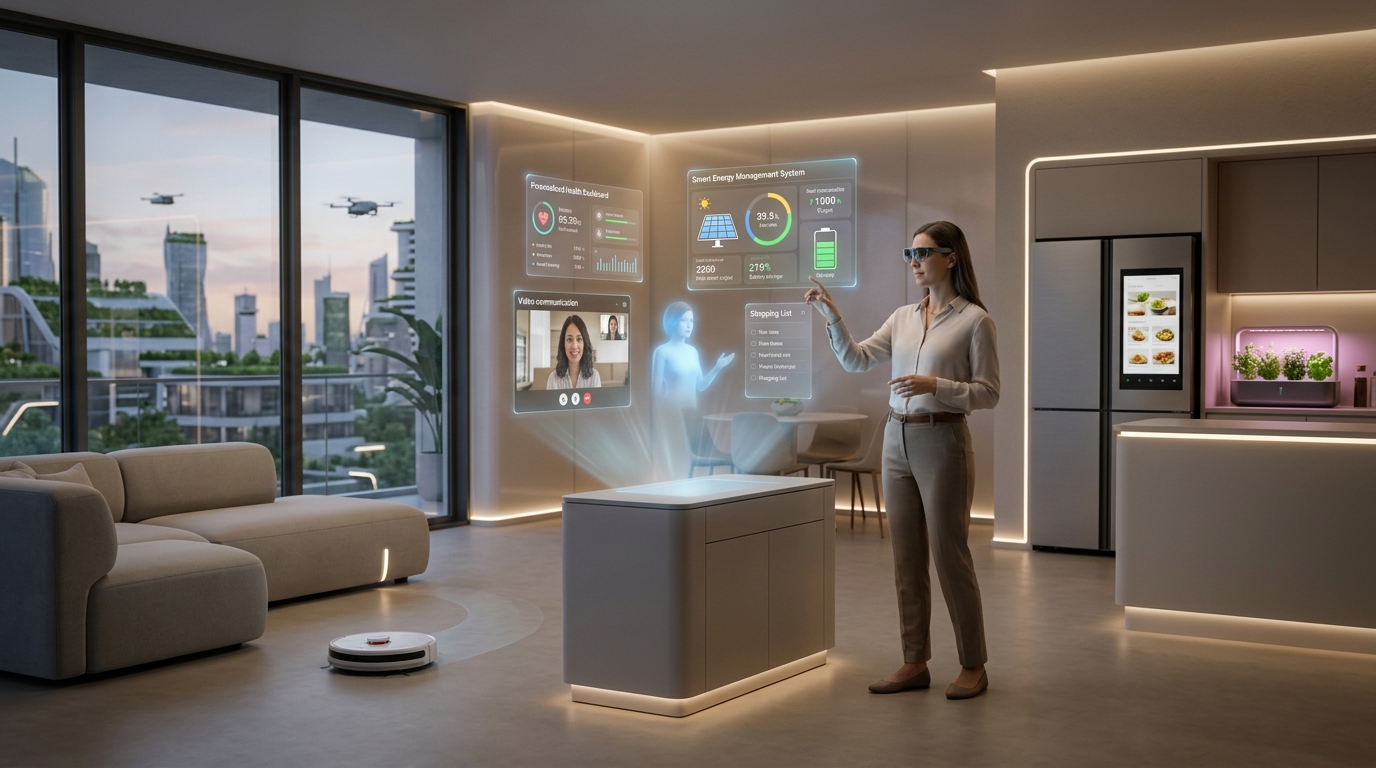
    Smart homes are becoming increasingly popular, with many homeowners investing in smart devices and systems to enhance their living experience. From voice-controlled thermostats to automated lighting systems, smart homes are now a reality. These innovations have improved energy efficiency, convenience, and overall quality of life.

    IoT and Its Impact on Smart Living

    The Internet of Things (IoT) has played a significant role in the development of smart living innovations. IoT enables devices and systems to communicate with each other, creating a seamless and interconnected experience. This has opened up new possibilities for smart home automation, remote monitoring, and control.

    • Smart thermostats that learn and adapt to your schedule and preferences
    • Automated security systems that alert you to potential threats
    • Smart lighting systems that adjust brightness and color based on the time of day and ambient light

    Smart Cities and the Future of Urban Planning

    Smart cities are being designed and built with innovation and sustainability in mind. From intelligent transportation systems to energy-efficient buildings, smart cities are revolutionizing the way we live, work, and interact with our surroundings. By integrating technology and data-driven insights, cities can become more livable, sustainable, and connected.

    The Role of AI in Smart Living

    Artificial intelligence (AI) is increasingly being integrated into smart living innovations. AI enables devices and systems to learn from data, adapt to new situations, and make decisions autonomously. This has improved energy efficiency, reduced waste, and enhanced overall quality of life.

    • AI-powered smart home assistants that learn your preferences and adapt to your schedule
    • Automated energy management systems that optimize energy consumption based on usage patterns
    • Smart health monitoring systems that track vital signs and detect potential health issues

    The Future of Smart Living

    As technology continues to advance, we can expect even more innovative smart living solutions to emerge. From voice-controlled robots to augmented reality experiences, the possibilities are endless. As we move forward, it’s essential to prioritize sustainability, energy efficiency, and user-centric design to ensure that smart living innovations benefit both individuals and the environment.

    Practical Applications of Smart Living Innovations

    Q: What are some practical applications of smart home automation?

    A: Smart home automation can help with tasks such as controlling lighting, thermostats, and security systems remotely, as well as automating routine tasks like laundry and cleaning. This can improve energy efficiency, reduce waste, and enhance overall quality of life.

    Q: How can smart cities reduce energy consumption?

    A: Smart cities can reduce energy consumption through the use of energy-efficient buildings, intelligent transportation systems, and optimized energy management systems. By integrating data-driven insights and AI, cities can optimize energy usage and reduce waste.

    Q: What role does AI play in smart health monitoring?

    A: AI plays a significant role in smart health monitoring, enabling devices and systems to learn from data, adapt to new situations, and make decisions autonomously. This can improve early detection of health issues, reduce medical errors, and enhance overall health outcomes.

    Q: What are some potential benefits of smart living innovations for seniors?

    A: Smart living innovations can provide seniors with greater independence, improved health outcomes, and enhanced quality of life. By integrating voice-controlled robots, automated health monitoring systems, and AI-powered smart home assistants, seniors can enjoy greater convenience and peace of mind.

    Conclusion

    Smart living innovations are revolutionizing the way we live, work, and interact with one another. From smart homes and smart cities to AI-powered health monitoring and voice-controlled robots, the possibilities are endless. As technology continues to advance, it’s essential to prioritize sustainability, energy efficiency, and user-centric design to ensure that smart living innovations benefit both individuals and the environment.

  • The Hidden Gems of Urban Tech: 5 Startups Revolutionizing City Living

    The Hidden Gems of Urban Tech: 5 Startups Revolutionizing City Living

    Urban Tech Startups: The Future of Innovation and Entrepreneurship

    The Rise of Urban Tech Startups

    Urban tech startups are transforming the way we live, work, and interact with our cities. These innovative companies are harnessing the power of technology to address the unique challenges and opportunities of urban environments. From smart transportation systems to sustainable energy solutions, urban tech startups are at the forefront of driving positive change in our communities.

    The Benefits of Urban Tech Startups

    • Job creation: Urban tech startups are creating new job opportunities in emerging industries such as clean energy, data analytics, and urban planning.
    • Increased efficiency: By leveraging technology, urban tech startups are streamlining urban processes, reducing waste, and improving service delivery.
    • Improved quality of life: Urban tech startups are enhancing the urban experience through innovative solutions for transportation, housing, and community engagement.

    Types of Urban Tech Startups

    Urban tech startups come in various forms, each with its unique focus and approach. Some of the most notable types of urban tech startups include:

    1. Smart City Solutions

    Smart city solutions are designed to make cities more livable, efficient, and sustainable. These startups develop technologies that enable cities to collect and analyze data, optimize resource allocation, and enhance public services.

    2. Clean Energy and Sustainability

    Clean energy and sustainability startups are working to reduce the environmental impact of urban living. They develop innovative solutions for renewable energy, green infrastructure, and waste management.

    3. Urban Mobility and Transportation

    Urban mobility and transportation startups are redefining the way we move around cities. They design and develop technologies that improve public transportation, optimize traffic flow, and enhance pedestrian and cyclist safety.

    4. Community Engagement and Social Impact

    Community engagement and social impact startups are focused on building stronger, more inclusive communities. They develop technologies that foster social connections, promote civic participation, and address pressing urban issues.

    The Key Players in the Urban Tech Startup Ecosystem

    Urban tech startups rely on a diverse network of partners, investors, and stakeholders to drive growth and innovation. Some of the key players in the urban tech startup ecosystem include:

    1. Venture Capital Firms

    Venture capital firms provide critical funding and strategic guidance to urban tech startups. They invest in promising companies, helping them scale and achieve market success.

    2. Incubators and Accelerators

    Incubators and accelerators offer startup-friendly environments, mentorship, and resources to help urban tech startups overcome challenges and achieve their full potential.

    3. Government Agencies and Municipalities

    Government agencies and municipalities are increasingly partnering with urban tech startups to address pressing urban issues. They provide access to data, resources, and expertise, enabling startups to develop effective solutions.

    Challenges and Opportunities in the Urban Tech Startup Space

    Urban tech startups face unique challenges, such as navigating complex regulatory environments, securing funding, and managing scalability. However, they also have numerous opportunities for growth and innovation, such as:

    1. Data-Driven Decision Making

    Urban tech startups can leverage data analytics and AI to develop evidence-based solutions that drive positive change in cities.

    2. Collaborative Partnerships

    Urban tech startups can form strategic partnerships with government agencies, private companies, and community organizations to co-create innovative solutions and drive social impact.

    Conclusion

    Urban tech startups are revolutionizing the way we live, work, and interact with our cities. By harnessing the power of technology, these innovative companies are driving positive change, creating new job opportunities, and improving the quality of life for urban residents. As the urban tech startup ecosystem continues to grow and evolve, we can expect to see even more exciting innovations and applications in the years to come.

    FAQs

    What is the primary focus of urban tech startups?

    Urban tech startups are primarily focused on developing innovative solutions to address the unique challenges and opportunities of urban environments. They are harnessing the power of technology to drive positive change, create new job opportunities, and improve the quality of life for urban residents.

    How do urban tech startups secure funding?

    Urban tech startups secure funding through a combination of venture capital investments, grants, and partnerships with private companies and government agencies. They also leverage crowdfunding platforms and other alternative funding sources to support their growth and development.

    What are some of the key challenges facing urban tech startups?

    Urban tech startups face challenges such as navigating complex regulatory environments, securing funding, and managing scalability. They also need to balance the needs of various stakeholders, including residents, businesses, and government agencies, to develop effective solutions.

    What are some of the key benefits of urban tech startups?

    Urban tech startups have numerous benefits, including job creation, increased efficiency, and improved quality of life. They also drive innovation, foster collaboration, and promote sustainable development in urban environments.

  • 5 Simple Ways to Supercharge Your Digital Life

    5 Simple Ways to Supercharge Your Digital Life

    Modern Connectivity Guide: Navigating the Complexities of a Connected World

    In today’s digital age, staying connected has become an essential part of our daily lives. From social media and messaging apps to online shopping and remote work, we’re constantly interacting with others and with technology. However, this increased connectivity comes with its own set of challenges, such as maintaining a healthy work-life balance, managing online relationships, and protecting our digital identities.

    The Benefits of Modern Connectivity

    While the downsides of modern connectivity are often discussed, it’s essential to acknowledge the numerous benefits that come with being connected. These advantages include:

    • Increased access to information: The internet has democratized access to knowledge, allowing people to learn and grow at an unprecedented pace.
    • Global connections: Social media and messaging apps have made it easier to connect with people from all over the world, fostering global understanding and collaboration.
    • Convenience and efficiency: Online shopping, remote work, and digital payments have streamlined many aspects of our lives, saving time and effort.

    The Challenges of Modern Connectivity

    Despite the benefits, modern connectivity also presents several challenges. Some of the most significant concerns include:

    • Information overload: The sheer volume of information available can be overwhelming, making it difficult to discern fact from fiction.
    • Online harassment and cyberbullying: The anonymity of the internet can make it easier for people to engage in hurtful or threatening behavior.
    • Digital identity theft: As more of our lives are online, the risk of identity theft and other cybercrimes increases.

    Best Practices for Modern Connectivity

    To navigate the complexities of modern connectivity, follow these best practices:

    • Set boundaries: Establish clear limits on your online interactions, just as you would with in-person relationships.
    • Practice online etiquette: Treat others with respect and kindness online, just as you would offline.
    • Protect your digital identity: Use strong passwords, enable two-factor authentication, and be cautious when sharing personal information.
    • Stay informed: Regularly update your knowledge on online safety, digital etiquette, and the latest technological advancements.

    Staying Safe in a Connected World

    While modern connectivity offers many benefits, it’s essential to prioritize your safety and well-being. To do so, follow these guidelines:

    • Use strong passwords: Create unique, complex passwords for each account, and avoid using the same password across multiple platforms.
    • Enable two-factor authentication: Add an extra layer of security to your accounts by requiring a verification code in addition to your password.
    • Be cautious with personal information: Think carefully before sharing sensitive data, such as your address or financial information, online.
    • Monitor your online activity: Regularly review your online activity, such as your browsing history and social media interactions, to ensure you’re not engaging in any suspicious behavior.

    Conclusion

    Modern connectivity has transformed the way we live, work, and interact with others. While it presents its own set of challenges, the benefits of being connected far outweigh the drawbacks. By following best practices, prioritizing your safety, and staying informed, you can navigate the complexities of modern connectivity with confidence and enjoy the many advantages it has to offer.

    FAQs

    What is the best way to protect my digital identity?

    Use strong passwords, enable two-factor authentication, and be cautious when sharing personal information online. Regularly update your knowledge on online safety and digital etiquette to stay informed.

    How can I maintain a healthy work-life balance in a connected world?

    Set clear boundaries between your work and personal life, and prioritize self-care and relaxation. Use technology to your advantage, such as by using tools to track your work hours or schedule downtime.

    What are some common online etiquette mistakes to avoid?

    Avoid using all caps or excessive punctuation in online communication, and refrain from using hurtful or aggressive language. Treat others with respect and kindness online, just as you would offline.

    How can I stay safe in online communities and forums?

    Be cautious when sharing personal information, and avoid engaging with suspicious or aggressive individuals. Use online safety tools, such as blocking features, to protect yourself from online harassment.

  • Smart Homes Made Smarter: 5 Digital Solutions to Revolutionize Your Living Space

    Smart Homes Made Smarter: 5 Digital Solutions to Revolutionize Your Living Space

    Embracing the Future of Home Living: Digital Home Solutions

    Revolutionizing the Way We Live

    Imagine coming home to a house that anticipates your needs, adjusts to your schedule, and adapts to your preferences. Welcome to the world of digital home solutions, where technology seamlessly integrates into your living space to create a more comfortable, convenient, and connected experience.

    The Evolution of Home Automation

    Home automation, once a niche concept, has become a mainstream phenomenon. The proliferation of smartphones, tablets, and voice assistants has made it easier than ever to control and interact with your home. From smart light bulbs to intelligent thermostats, the possibilities are endless, and the benefits are numerous.

    Benefits of Digital Home Solutions

    The advantages of digital home solutions are multifaceted:

    • Increased Convenience**: Control your home’s systems and appliances from anywhere, at any time, using your smartphone or voice assistant.
    • Enhanced Energy Efficiency**: Automate your lighting, heating, and cooling systems to reduce energy consumption and lower your utility bills.
    • Improved Safety**: Receive alerts and notifications for potential security breaches, and enjoy peace of mind knowing your home is secure.
    • Increased Accessibility**: Customize your home’s systems to accommodate the needs of family members with disabilities, promoting independence and inclusivity.

    Smart Home Devices and Systems

    From individual components to comprehensive systems, the options for digital home solutions are vast:

    • Smart Speakers**: Control your home’s systems with voice commands, and enjoy music, news, and information at your fingertips.
    • Smart Thermostats**: Regulate your home’s temperature, and optimize energy usage with advanced temperature control.
    • Smart Lighting**: Automate your lighting, and enjoy the convenience of hands-free control.
    • Home Security Systems**: Monitor and control your home’s security, and receive alerts for potential breaches.
    • Smart Home Hubs**: Integrate multiple devices and systems into a single, user-friendly interface.

    Integrating Digital Home Solutions

    As you explore the world of digital home solutions, consider the following:

    1. **Assess Your Needs**: Identify the areas where digital home solutions can bring the most value to your life.

    2. **Choose Your Devices**: Select the smart home devices and systems that best fit your needs and budget.

    3. **Integrate Your Systems**: Ensure seamless communication between devices and systems for a cohesive, user-friendly experience.

    4. **Monitor and Adjust**: Continuously evaluate and refine your digital home setup to optimize its performance and your satisfaction.

    FAQs

    What are the potential security risks associated with digital home solutions?

    While digital home solutions offer numerous benefits, they also present potential security risks, such as hacking and data breaches. To mitigate these risks, ensure that your devices and systems are from reputable manufacturers, and that you follow best practices for securing your network and devices.

    Can I integrate digital home solutions into my existing home?

    Yes, you can integrate digital home solutions into your existing home. Consider consulting with a professional to assess your home’s infrastructure and determine the best approach for implementing digital home solutions.

    Are digital home solutions compatible with my existing devices?

    Compatibility can vary depending on the specific devices and systems you’re using. Research the compatibility of your desired digital home solutions with your existing devices, and consider consulting with a professional for guidance.

    How do I troubleshoot issues with my digital home solutions?

    When troubleshooting issues with your digital home solutions, start by checking the power source, resetting devices, and updating software. If issues persist, consult the user manual, contact customer support, or seek the expertise of a professional.

    Conclusion

    Digital home solutions have revolutionized the way we live, offering a more convenient, connected, and enjoyable experience. By understanding the benefits, devices, and systems available, and by integrating these solutions into your home, you can unlock a world of possibilities and create a truly smart home that anticipates your needs and adapts to your preferences.