Category: BUSINESS

  • Ditch the 100,000 Pounds of Plastic in Your Home This Year

    Ditch the 100,000 Pounds of Plastic in Your Home This Year

    Reduce Plastic at Home: Simple Steps to a Greener Lifestyle

    Introduction

    Plastic waste has become a pressing issue in modern society. The alarming rates at which plastic is being produced, used, and discarded have severe consequences on our environment, wildlife, and even our own health. The good news is that we can all play a part in reducing plastic at home, making a significant impact on the planet. In this article, we will explore practical steps to minimize plastic usage in your daily life, from simple swaps to innovative solutions.

    The Problem with Plastic

    Plastic has become an integral part of our daily lives, from packaging to disposable products. However, its convenience comes at a steep cost. Plastic waste takes hundreds of years to decompose, and the majority of it ends up in our oceans, harming marine life and contaminating the food chain. The production of plastic also contributes to greenhouse gas emissions, making it a significant contributor to climate change.

    Easy Swaps to Reduce Plastic at Home

    One of the simplest ways to reduce plastic at home is by making conscious choices in our daily lives. Here are some easy swaps to get you started:

    • Switch to reusable bags for grocery shopping and other errands.
    • Choose glass or metal containers over plastic for storing food and drinks.
    • Opt for refillable water bottles and coffee cups.
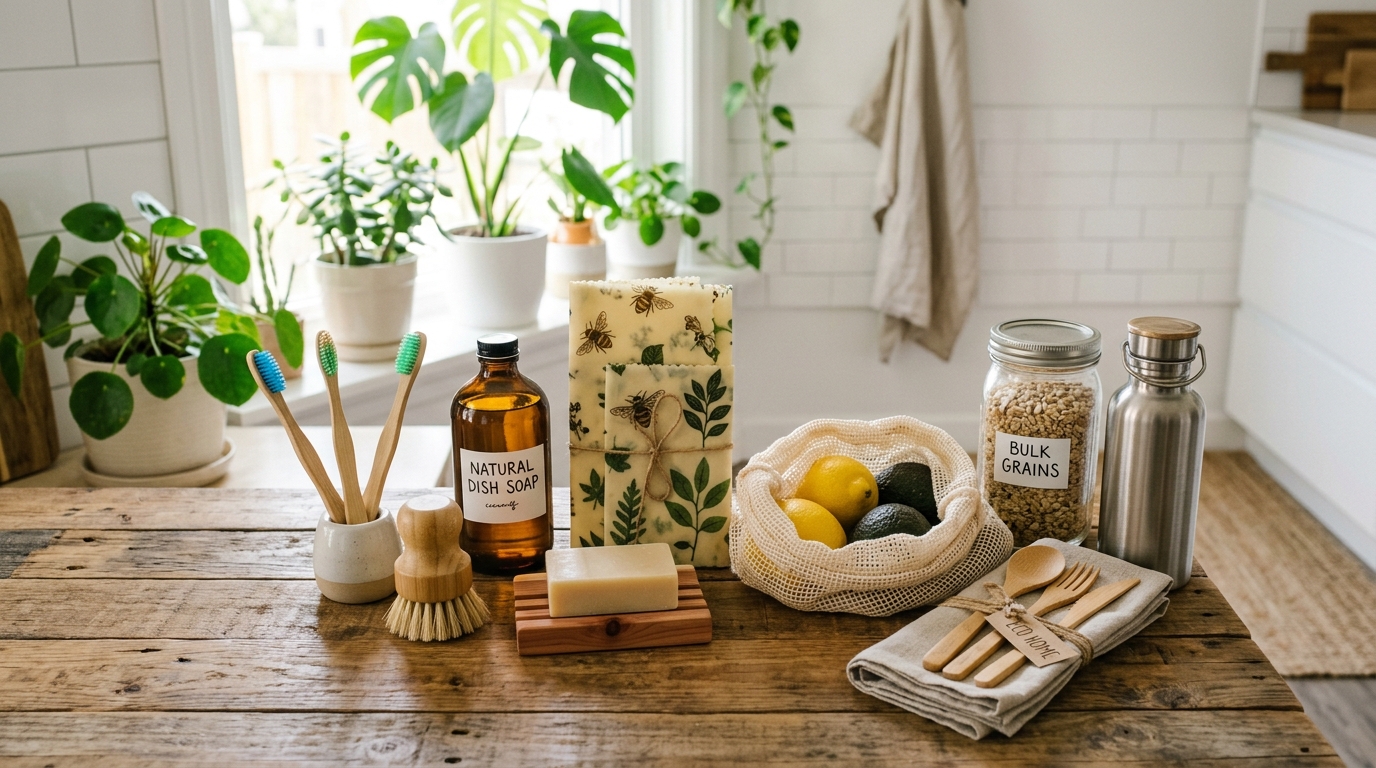
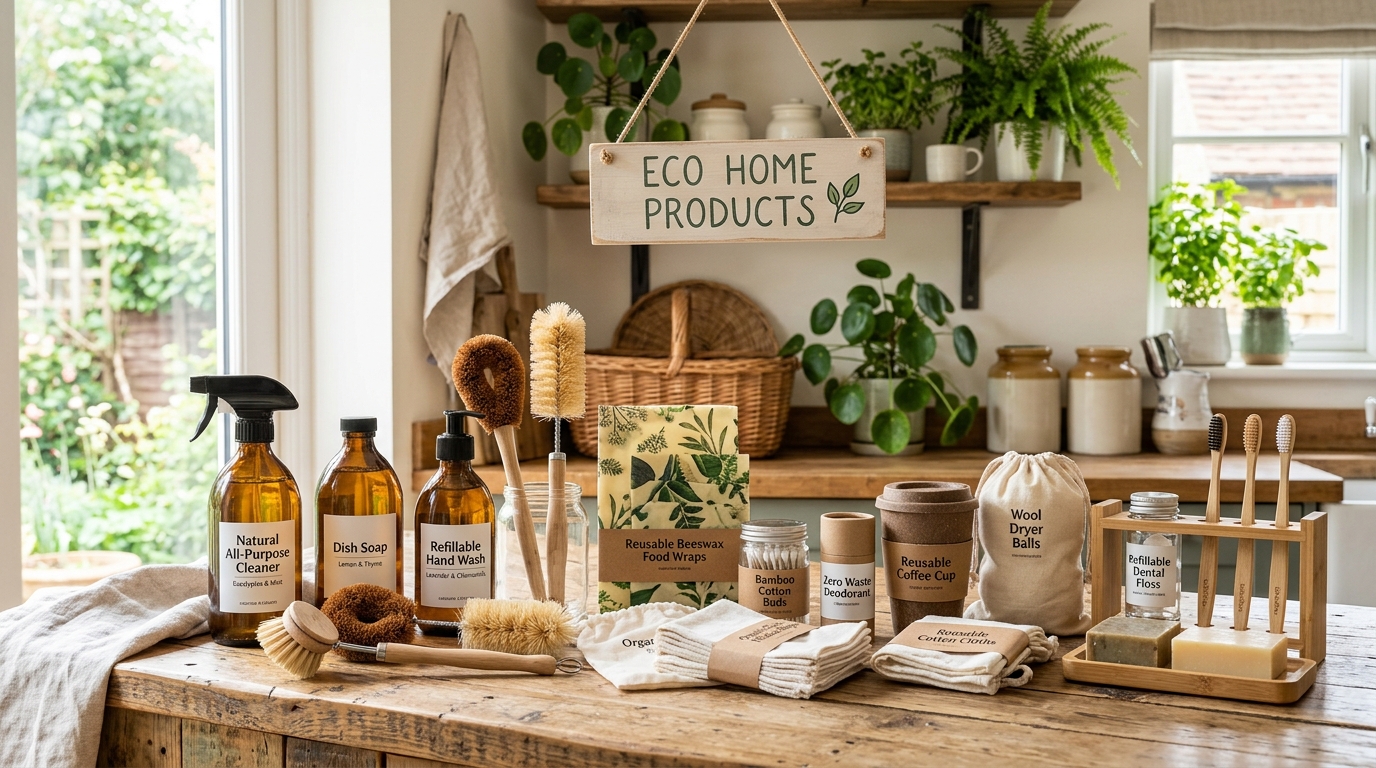
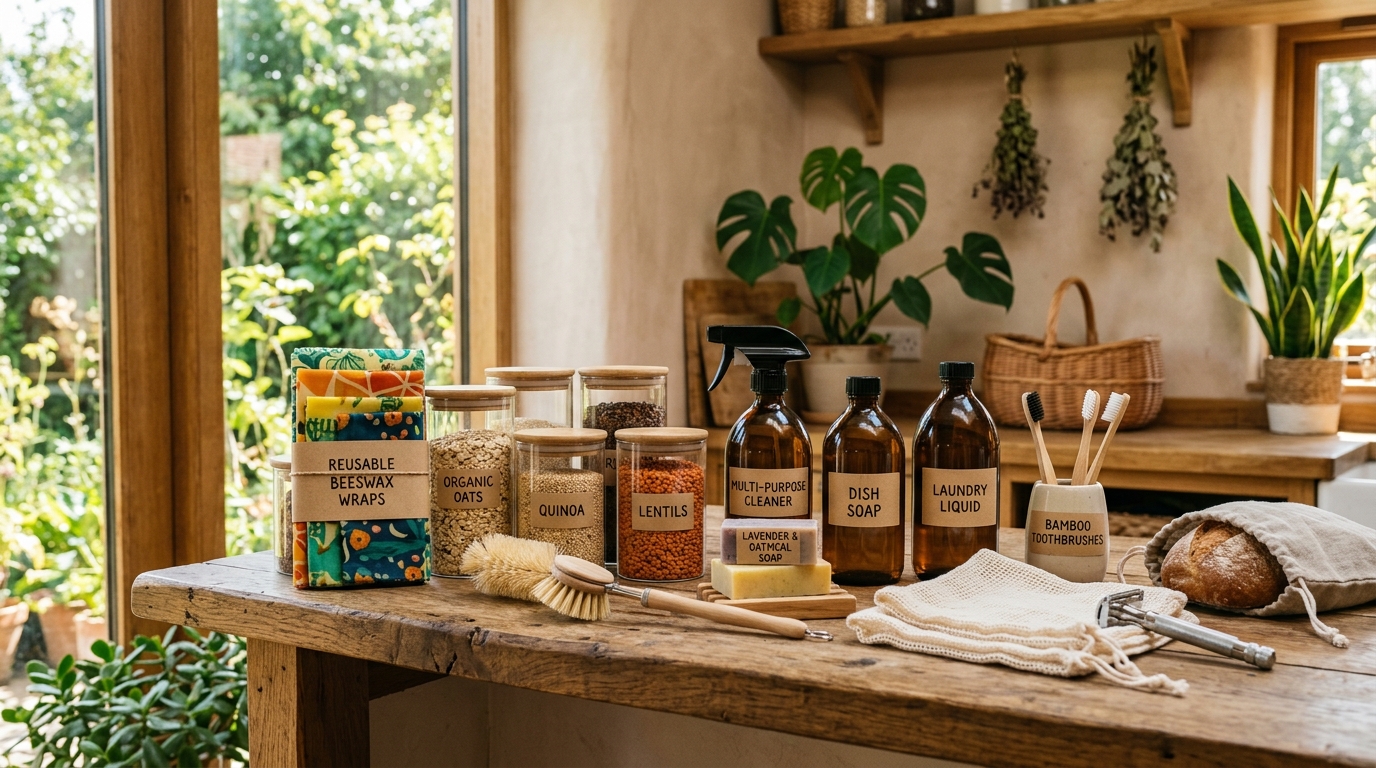
    • Use beeswax wraps or reusable snack bags instead of plastic wrap.
    • Buy in bulk and avoid single-use packaging.

    DIY Solutions to Reduce Plastic at Home

    While making simple swaps is a great start, there are many DIY solutions to take your plastic reduction to the next level. Here are a few ideas to get you creative:

    Make your own cleaning products using natural ingredients like baking soda, vinegar, and lemon juice. This not only reduces plastic usage but also creates a healthier environment for your family.

    Upcycle old items into new, functional pieces. For example, turn an old t-shirt into reusable bags, a plastic bottle into a self-watering planter, or an old pallet into a garden bench.

    Get crafty with reusable alternatives to paper products. Create your own notebooks, journals, and even art supplies using recycled materials like cardboard, fabric, or recycled paper.

    Reducing Plastic in the Kitchen

    The kitchen is where we often use the most plastic, from water bottles to disposable utensils. Here are some practical tips to reduce plastic in the kitchen:

    • Invest in a water filter to reduce your reliance on single-use water bottles.
    • Switch to a metal or bamboo cutting board instead of a plastic one.
    • Use a reusable coffee filter and compostable coffee grounds.
    • Choose glass or stainless steel containers for storing food and leftovers.

    Other Ways to Reduce Plastic at Home

    Reducing plastic at home goes beyond the kitchen and simple swaps. Here are some additional ideas to consider:

    Compost food waste and turn it into nutrient-rich soil for your garden.

    Use a menstrual cup or period pants as a more sustainable alternative to disposable pads and tampons.

    Support local businesses that use minimal or biodegradable packaging.

    Getting the Whole Family Involved

    Reducing plastic at home is a family affair. Here are some tips to get your loved ones on board:

    • Lead by example and share your reasons for reducing plastic.
    • Involve your children in the process by teaching them about the impact of plastic waste.
    • Make it fun by turning plastic reduction into a game or challenge.
    • Set up a recycling station in your home and make it a habit to recycle and reuse.

    Conclusion

    Reducing plastic at home is a simple yet powerful way to make a positive impact on the environment. By making conscious choices, getting creative with DIY solutions, and involving your family, you can significantly reduce your plastic usage and contribute to a more sustainable future. Remember, every small step counts, and collective action can lead to significant change.

    FAQs

    Q: What’s the best way to dispose of plastic waste?

    A: Properly dispose of plastic waste by recycling it whenever possible. If it can’t be recycled, consider upcycling or repurposing the item. Never burn or incinerate plastic, as it releases toxic chemicals into the air.

    Q: Can I still use plastic if I’m trying to reduce my usage?

    A: While it’s not ideal, using plastic occasionally is not the end of the world. However, try to minimize your usage by choosing reusable alternatives and making sustainable swaps. Remember, every little bit counts, and the goal is to reduce, not eliminate, plastic usage.

    Q: How can I make my own reusable products?

    A: Get creative with materials you have at home, like old t-shirts, cardboard, or fabric scraps. You can make reusable bags, cleaning products, or even art supplies using these materials. Research online for tutorials and inspiration to get started.

    Q: What’s the impact of microplastics on the environment?

    A: Microplastics have been found in oceans, waterways, and even in the air we breathe. They can harm marine life, contaminate the food chain, and even affect human health. Reducing plastic usage and upcycling or recycling plastic products can help minimize the amount of microplastics in our environment.

  • 10 Easy Ways to Greenify Your Apartment Without Breaking the Bank

    10 Easy Ways to Greenify Your Apartment Without Breaking the Bank

    Embracing Sustainability: Eco-Friendly Apartment Ideas

    As the world grapples with the challenges of climate change, environmental degradation, and resource depletion, the importance of sustainable living has become increasingly evident. One of the most effective ways to reduce our ecological footprint is by adopting eco-friendly practices in our daily lives, starting with our homes. In this article, we’ll delve into the world of eco-friendly apartment ideas, exploring ways to make your living space a haven for sustainability.

    A Guide to Eco-Friendly Apartment Design

    When it comes to creating an eco-friendly apartment, the design plays a crucial role. Here are some ideas to get you started:

    1. Opt for Energy-Efficient Lighting

    Traditional incandescent bulbs are a thing of the past. Switch to energy-efficient LED bulbs, which use significantly less power and last longer. Consider installing smart light bulbs that can be controlled remotely using a smartphone app.

    2. Harness Natural Light

    Maximize the use of natural light by keeping windows unobstructed and using sheer curtains or blinds. This not only reduces the need for artificial lighting but also boosts your mood and productivity.

    Smart Home Automation for Sustainability

    Incorporating smart home automation can significantly reduce your energy consumption and contribute to a more sustainable lifestyle. Here are some ideas to consider:

    1. Invest in a Smart Thermostat

    A smart thermostat learns your schedule and preferences to optimize heating and cooling. Some models can even learn your habits and adjust the temperature accordingly. This can lead to significant energy savings, especially during extreme weather conditions.

    2. Install a Smart Home Energy Monitoring System

    A smart home energy monitoring system provides real-time data on your energy consumption, helping you identify areas for improvement. This can be a valuable tool in reducing your energy footprint and making informed decisions about your lifestyle.

    Water Conservation: A Key to Sustainability

    Water conservation is an essential aspect of eco-friendly living. Here are some ideas to reduce your water usage:

    1. Install Low-Flow Showerheads and Faucets

    Low-flow showerheads and faucets can significantly reduce water consumption. Look for models that meet the WaterSense certification, which ensures that products meet strict water-efficiency standards.

    2. Implement Rainwater Harvesting

    Collecting and storing rainwater for non-potable uses such as flushing toilets, washing machines, and irrigation systems can significantly reduce your water bill. Consider installing a rainwater harvesting system to collect and store rainwater.

    Sustainable Materials and Furniture

    When it comes to choosing materials and furniture for your eco-friendly apartment, there are several options to consider:

    1. Opt for Recycled and Sustainable Materials

    Consider using recycled materials, reclaimed wood, or sustainably sourced materials for your furniture and decor. This not only reduces waste but also supports environmentally responsible practices.

    2. Choose Eco-Friendly Furniture

    Look for furniture made from sustainable materials, such as bamboo, FSC-certified wood, or recycled materials. Consider repurposing or upcycling old furniture to reduce waste and give new life to old items.

    A Conclusion: Embracing Sustainability in Your Apartment

    Creating an eco-friendly apartment is not only a moral imperative but also a practical choice for the future. By incorporating these ideas into your design and lifestyle, you’ll not only reduce your ecological footprint but also contribute to a more sustainable future. Remember, every small change counts, and together, we can make a significant impact.

    Frequently Asked Questions

    Q: What are some eco-friendly alternatives to traditional light bulbs?

    A: Consider using LED bulbs, which use significantly less power and last longer than traditional incandescent bulbs. Smart light bulbs that can be controlled remotely using a smartphone app are another option.

    Q: How can I reduce my energy consumption in my apartment?

    A: Invest in a smart thermostat that learns your schedule and preferences to optimize heating and cooling. Consider installing a smart home energy monitoring system to track your energy consumption and identify areas for improvement.

    Q: What are some sustainable options for furniture and materials?

    A: Opt for recycled and sustainable materials, such as reclaimed wood, bamboo, or FSC-certified wood. Consider repurposing or upcycling old furniture to reduce waste and give new life to old items.

    Q: How can I conserve water in my apartment?

    A: Install low-flow showerheads and faucets to reduce water consumption. Consider implementing rainwater harvesting to collect and store rainwater for non-potable uses.

  • 10 Simple Swaps to Slash Your Waste and Save Your Sanity

    10 Simple Swaps to Slash Your Waste and Save Your Sanity

    Embracing the Zero Waste Lifestyle in Your Home

    Living a zero waste lifestyle is a growing trend that’s gaining popularity worldwide. It’s not just about reducing your carbon footprint, but also about making conscious choices that benefit both you and the environment. One of the most effective ways to live a zero waste lifestyle is by making changes in your home. In this article, we’ll explore practical zero waste home tips to help you get started.

    Understanding Zero Waste

    Zero waste is a lifestyle that aims to eliminate all forms of waste, from reducing, reusing, and recycling to avoiding single-use plastics. It’s not about being perfect, but about making progress and adopting habits that minimize waste. The goal is to create a system where everything that’s created or consumed can be reused or recycled.

    Reducing Waste in Your Home

    The first step to reducing waste in your home is to become more mindful of your consumption habits. Here are a few tips to get you started:

    • Buy in bulk**: Purchasing items in bulk can significantly reduce packaging waste. Consider buying grains, nuts, and other dry goods in bulk.
    • Use reusable containers**: Instead of using single-use plastic containers, switch to reusable ones. You can find a variety of reusable containers online or at local stores.
    • Choose products with minimal packaging**: When shopping, opt for products with minimal packaging. This can include buying items like bread and baked goods from local bakeries that use minimal packaging.
    • Use a reusable water bottle**: Single-use plastic water bottles are a significant contributor to waste. Switch to a reusable water bottle and refill it throughout the day.

    Managing Kitchen Waste

    The kitchen is often the hub of a household, and it’s where a lot of waste is generated. Here are some practical tips to manage kitchen waste:

    • Use up leftovers**: Before throwing away leftovers, think about ways you can use them up. Use them in a new meal, or freeze them for later.
    • Compost food waste**: Composting is an excellent way to reduce kitchen waste. You can compost food waste, coffee grounds, and eggshells. Use the compost to fertilize your garden.
    • Use reusable bags**: Instead of using single-use plastic bags, switch to reusable bags for grocery shopping and other tasks.
    • Make your own cleaning products**: Many commercial cleaning products come in single-use plastic containers. Consider making your own cleaning products using natural ingredients and reusable containers.

    Decluttering and Reducing Clutter

    Decluttering and reducing clutter is an essential part of the zero waste lifestyle. Here are some practical tips to help you get started:

    • Purge your belongings**: Start by purging items you no longer need or use. Consider donating items that are still in good condition to friends, family, or local charities.
    • Use a ‘one in, one out’ rule**: To maintain your decluttered space, use a ‘one in, one out’ rule. For every new item you bring into your home, get rid of an old one.
    • Store items properly**: Store items properly to prevent clutter from building up again. Use storage containers and label them to keep items organized.
    • Consider minimalism**: Minimalism is a lifestyle that encourages simplicity and reducing consumption. Consider adopting minimalist principles to reduce clutter and waste.

    Zero Waste Home Hacks

    Here are a few more zero waste home hacks to help you live a more sustainable lifestyle:

    • Use rags instead of paper towels**: Rags can be used for cleaning, dusting, and other tasks instead of paper towels.
    • Make your own cleaning products**: Making your own cleaning products can significantly reduce packaging waste.
    • Use a reusable straws**: Switch to reusable straws instead of single-use plastic straws.
    • Use a menstrual cup**: A menstrual cup is an eco-friendly alternative to disposable menstrual products.

    Conclusion

    Living a zero waste lifestyle is a journey that requires patience, dedication, and a willingness to make changes. By implementing the zero waste home tips outlined above, you can significantly reduce your household waste and contribute to a more sustainable future. Remember, every small change you make can have a significant impact when combined with the efforts of others. Start your zero waste journey today and inspire others to do the same.

    FAQs

    Q: What’s the first step to reducing waste in my home?

    A: The first step to reducing waste in your home is to become more mindful of your consumption habits. Start by making a few simple changes, such as buying in bulk, using reusable containers, and choosing products with minimal packaging.

    Q: How can I manage kitchen waste?

    A: Managing kitchen waste involves using up leftovers, composting food waste, and using reusable bags. You can also make your own cleaning products using natural ingredients and reusable containers.

    Q: What’s the best way to declutter and reduce clutter?

    A: Decluttering and reducing clutter involves purging items you no longer need or use, using a ‘one in, one out’ rule, and storing items properly. Consider adopting minimalist principles to reduce clutter and waste.

    Q: What are some zero waste home hacks I can use?

    A: Some zero waste home hacks include using rags instead of paper towels, making your own cleaning products, using a reusable straw, and using a menstrual cup. These small changes can have a significant impact when combined with the efforts of others.

    Q: How can I start living a zero waste lifestyle?

    A: Start living a zero waste lifestyle by making small changes to your consumption habits, such as reducing single-use plastics, using reusable bags, and composting food waste. As you become more mindful of your waste, you can continue to make changes to live a more sustainable lifestyle.

  • Discover the World’s Top 10 Hidden Gem Museums

    Discover the World’s Top 10 Hidden Gem Museums

    Discover the Best Museums Around the World

    From the grandeur of ancient civilizations to the cutting-edge innovations of modern science, museums are a treasure trove of knowledge and culture. Whether you’re an art enthusiast, a history buff, or a curious learner, museums have something to offer everyone. In this comprehensive guide, we’ll take you on a tour of the world’s best museums, showcasing their unique features, exhibits, and experiences that make them truly unforgettable.

    Top 10 Museums in the World

    Here are the top 10 museums in the world that are a must-visit for anyone interested in art, history, science, or culture:

    • The Louvre Museum, Paris, France – The world’s largest art museum, housing over 35,000 works of art, including the Mona Lisa.
    • The British Museum, London, UK – A vast collection of artifacts from ancient civilizations, including the Rosetta Stone and the Elgin Marbles.
    • The Metropolitan Museum of Art, New York City, USA – One of the world’s largest and most comprehensive art museums, with a collection spanning 5,000 years of human history.
    • The National Museum of Anthropology, Mexico City, Mexico – A stunning collection of Aztec and Mayan artifacts, including the iconic calendar stone.
    • The State Hermitage Museum, St. Petersburg, Russia – A grand museum complex with a collection of over 3 million items, including works by Da Vinci, Rembrandt, and Picasso.
    • The Acropolis Museum, Athens, Greece – A modern museum showcasing the history of the Acropolis, with artifacts from the Golden Age of Athens.
    • The National Gallery, London, UK – A world-class art museum with a collection of over 2,300 paintings, including works by Van Gogh, Monet, and Leonardo da Vinci.
    • The Museum of Modern Art (MoMA), New York City, USA – A premier modern art museum with a collection of over 200,000 works, including paintings, sculptures, and installations.
    • The Vatican Museums, Vatican City – A vast collection of art and artifacts from the Vatican’s vast collections, including works by Michelangelo and Raphael.
    • The Smithsonian National Museum of Natural History, Washington D.C., USA – A world-renowned museum showcasing the wonders of the natural world, with over 145 million specimens.

    Best Museums by Continent

    Here are the top museums in each continent, showcasing the unique cultural and historical treasures of each region:

    Africa

    The Egyptian Museum, Cairo, Egypt – A vast collection of ancient Egyptian artifacts, including mummies, sarcophagi, and temple reliefs.

    The South African National Museum, Cape Town, South Africa – A comprehensive museum showcasing the natural history, art, and culture of South Africa.

    Asia

    The National Museum of China, Beijing, China – A grand museum showcasing the history and culture of China, with a collection of over 300,000 artifacts.

    The National Museum of Korea, Seoul, South Korea – A modern museum showcasing the history and culture of Korea, with a collection of over 100,000 artifacts.

    Europe

    The Uffizi Gallery, Florence, Italy – A world-class art museum with a collection of over 2,000 works, including paintings by Botticelli, Michelangelo, and Leonardo da Vinci.

    The National Museum of Fine Arts, Lisbon, Portugal – A beautiful museum showcasing the art and culture of Portugal, with a collection of over 50,000 works.

    Oceania

    The Australian Museum, Sydney, Australia – A comprehensive museum showcasing the natural history, art, and culture of Australia, with a collection of over 1 million specimens.

    The National Museum of New Zealand, Wellington, New Zealand – A modern museum showcasing the history and culture of New Zealand, with a collection of over 10,000 artifacts.

    Museum Experiences Around the World

    From interactive exhibits to live performances, museums offer a wide range of experiences that make them truly unforgettable. Here are some of the most unique and engaging museum experiences around the world:

    Interactive Exhibits

    The Exploratorium, San Francisco, USA – A hands-on science museum with interactive exhibits that allow visitors to explore the wonders of science and technology.

    The Children’s Museum of Indianapolis, Indianapolis, USA – A world-class children’s museum with interactive exhibits that encourage learning and creativity.

    Live Performances

    The Sydney Opera House, Sydney, Australia – A world-renowned performing arts center with a variety of shows, including opera, ballet, and theater performances.

    The National Theatre, London, UK – A historic theater with a variety of performances, including plays, musicals, and dance performances.

    Practical Information

    Q: What is the best way to plan a museum visit?

    A: The best way to plan a museum visit is to research the museum’s hours, exhibits, and special events, and to plan your visit around these. Many museums also offer guided tours, which can be a great way to learn more about the exhibits and get a behind-the-scenes look at the museum’s operations.

    Q: Can I bring food and drink into the museum?

    A: The rules about food and drink in museums vary, but many museums do not allow eating or drinking inside the museum. Check the museum’s website or contact them directly to find out their policies.

    Q: Are museums free or paid admission?

    A: The admission policies of museums vary, but many offer free admission on certain days of the week or month, or for certain groups of people, such as students or seniors. Others may charge a small admission fee. Check the museum’s website or contact them directly to find out their admission policies.

    Q: Can I take photographs in the museum?

    A: The rules about photography in museums vary, but many museums do not allow flash photography or tripods. Check the museum’s website or contact them directly to find out their photography policies.

    Conclusion

    Museums are a treasure trove of knowledge and culture, offering a unique window into the past and a glimpse of the present. Whether you’re an art enthusiast, a history buff, or a curious learner, there’s a museum out there for you. From the grandeur of ancient civilizations to the cutting-edge innovations of modern science, museums have something to offer everyone. We hope this guide has inspired you to explore the world’s best museums and experience the wonders of art, history, and culture for yourself.

  • Packing Smarter: 10 Essential Tips for Urban Travelers

    Packing Smarter: 10 Essential Tips for Urban Travelers

    Urban Travel Packing Tips

    Preparing for the City Streets

    Urban travel can be a thrilling experience, but it requires careful planning and preparation. One of the most crucial aspects of urban travel is packing the right gear for your trip. Whether you’re heading to a bustling metropolis or a charming city, having the right luggage and clothing can make all the difference.

    The Essentials

    When packing for an urban adventure, it’s essential to consider the following items:

    • Comfortable walking shoes
    • A versatile, quick-drying jacket or coat
    • A lightweight backpack or messenger bag
    • A compact umbrella
    • A portable charger for your phone or camera

    These items will help you navigate the city streets with ease, stay dry in unexpected rain showers, and capture memories with your camera.

    The Art of Layering

    Urban travel often involves navigating through diverse environments, from hot summer days to cool winter nights. A key to packing for this type of travel is mastering the art of layering.

    Why Layering Matters

    Layering allows you to adjust your clothing to suit the environment. By packing multiple layers, you can stay comfortable in a variety of conditions. This is particularly important in urban travel, where you may encounter unexpected temperature changes or changes in weather.

    Packing for the City

    When packing for the city, it’s essential to consider the following:

    What to Pack

    * A mix of lightweight and breathable clothing for warm days
    * A warm sweater or light jacket for cooler evenings
    * A versatile dress or pants that can be dressed up or down
    * A compact umbrella to protect you from rain
    * A pair of comfortable walking shoes or sneakers

    How to Pack

    * Roll your clothes to save space and reduce wrinkles
    * Pack a few essential items, like a change of clothes, in your carry-on luggage
    * Consider packing clothes that can be easily mixed and matched
    * Don’t forget to leave some extra space in your luggage for souvenirs or items you might purchase during your trip

    Urban Travel Packing Mistakes to Avoid

    When packing for urban travel, it’s easy to make mistakes that can ruin your trip. Here are a few common errors to avoid:

    Overpacking

    * Don’t pack too much luggage, as this can be a hassle to transport and may incur additional fees
    * Consider packing clothes that can be easily mixed and matched to reduce the number of items you need to pack

    Underpacking

    * Don’t pack too little, as this can leave you without essential items, like a change of clothes or a warm jacket
    * Consider packing a few essentials, like a spare set of clothes or a warm sweater, in your carry-on luggage

    Urban Travel Packing Tips for the Savvy Traveler

    If you’re a seasoned traveler, you know that packing the right gear is essential for a successful trip. Here are a few additional tips to help you prepare for your urban adventure:

    Packing for the Unexpected

    * Don’t forget to pack a few essentials, like a spare set of clothes or a first aid kit, in case of unexpected delays or changes in plans
    * Consider packing clothes that can be easily mixed and matched to reduce the number of items you need to pack

    Staying Organized

    * Use a packing list to keep track of your items and ensure you don’t forget anything essential
    * Consider packing a small daypack or backpack with essentials, like a change of clothes or a water bottle, for easy access during the day

    Conclusion

    Urban travel requires careful planning and preparation, and packing the right gear is an essential part of this process. By mastering the art of layering, packing for the city, and avoiding common mistakes, you can ensure a successful and enjoyable trip. Whether you’re heading to a bustling metropolis or a charming city, with these tips, you’ll be ready to take on the urban streets with confidence.

    FAQs

    Q: What is the best type of luggage for urban travel?

    A: The best type of luggage for urban travel is a lightweight, compact backpack or messenger bag. These types of bags are easy to carry and can be easily stowed away in small spaces.

    Q: How do I pack for a weekend trip to the city?

    A: For a weekend trip to the city, consider packing a few essentials, like a change of clothes, a warm jacket, and a compact umbrella. You can also pack a few lightweight items, like a scarf or a hat, to add some variety to your outfits.

    Q: What should I pack for a summer trip to the city?

    A: For a summer trip to the city, consider packing lightweight, breathable clothing, like t-shirts and shorts. You may also want to pack a few essential items, like a hat or sunglasses, to protect yourself from the sun.

    Q: How do I avoid overpacking for a trip to the city?

    A: To avoid overpacking for a trip to the city, consider packing clothes that can be easily mixed and matched. You can also pack a few essentials, like a spare set of clothes or a warm jacket, in your carry-on luggage to ensure you have what you need in case of unexpected delays or changes in plans.

    Q: What are some essential items to pack for a trip to the city?

    A: Some essential items to pack for a trip to the city include a compact umbrella, a pair of comfortable walking shoes, and a portable charger for your phone or camera. You may also want to pack a few lightweight items, like a scarf or a hat, to add some variety to your outfits.

  • Beyond the Brochures: 5 Secret Spots That Will Make You Fall in Love with a City

    Beyond the Brochures: 5 Secret Spots That Will Make You Fall in Love with a City

    Unveiling the Hidden Gems of City Attractions

    Discover the Unseen Wonders of Urban Centers

    When planning a trip to a new city, the typical itinerary often revolves around popular landmarks and well-known attractions. While these sites are undoubtedly worth visiting, they often attract large crowds and can leave travelers feeling like they’re just part of the masses. For those seeking a more authentic experience, it’s time to venture off the beaten path and explore the hidden city attractions that only the locals know.

    The Rewards of Unconventional Exploration

    Delving into the lesser-known aspects of a city can lead to some incredible discoveries. Not only will you avoid the crowds and chaos of popular tourist areas, but you’ll also have the opportunity to truly immerse yourself in the local culture. By exploring the lesser-known neighborhoods, markets, and hidden spots, you’ll gain a deeper understanding of the city’s history, architecture, and the people who call it home.

    Hidden City Attractions to Explore

    From secret gardens to underground art scenes, there are countless hidden city attractions waiting to be discovered. Here are a few examples of the unique experiences you can expect to find:

    • Secret gardens: Tucked away in quiet corners of the city, these hidden oases offer a peaceful escape from the hustle and bustle of urban life. Visit these serene spaces to reconnect with nature and find inspiration in the beauty of the world around you.
    • Underground art scenes: From street art to underground galleries, the city’s hidden art scenes are a treasure trove of creativity and self-expression. Explore these spaces to discover new artists, styles, and mediums that will leave you in awe.
    • Local markets: Venture into the heart of the city’s lesser-known neighborhoods to discover the vibrant markets that showcase the best of local produce, crafts, and handmade goods. These markets are the perfect place to find one-of-a-kind souvenirs and taste the authentic flavors of the city.
    • Hidden museums: While many cities boast world-class museums, there are often lesser-known institutions that house equally impressive collections. Visit these hidden museums to uncover the lesser-known stories of the city’s past and gain a deeper understanding of the local culture.
    • Alleyway art: From street performers to living walls, the city’s alleyways and side streets often hide some of the most impressive and innovative art installations. Explore these spaces to discover the creative ways in which artists are redefining the urban landscape.

    The Benefits of Immersive Exploration

    By immersing yourself in the lesser-known aspects of a city, you’ll not only gain a deeper understanding of the local culture, but you’ll also have the opportunity to develop a stronger connection with the people who live there. This connection can lead to a more authentic experience, one that’s free from the crowds and chaos of popular tourist areas.

    Practical Tips for Discovering Hidden City Attractions

    While exploring the lesser-known aspects of a city can be a thrilling experience, it’s essential to approach this type of exploration with a clear plan and a willingness to take calculated risks. Here are a few practical tips to keep in mind:

    • Do your research: Before heading out to explore the hidden city attractions, research the area and identify the best spots to visit. This can include reading local blogs, speaking with fellow travelers, and scouring social media for insider tips.
    • Get off the beaten path: Venture into the lesser-known neighborhoods and side streets to discover the hidden gems of the city. This can include exploring alleyways, visiting local markets, and exploring the city’s underground art scenes.
    • Be open-minded: Be prepared to stumble upon unexpected experiences and to take calculated risks. This can include visiting unmarked buildings, attending underground events, and engaging with locals who may have a different perspective on the city.
    • Respect local customs: When exploring the lesser-known aspects of a city, it’s essential to respect local customs and traditions. This can include dressing modestly, avoiding sensitive areas, and engaging with locals in a respectful manner.

    FAQs

    Q: What are some of the best ways to discover hidden city attractions?

    A: One of the best ways to discover hidden city attractions is to do your research and get off the beaten path. Visit local blogs, speak with fellow travelers, and scour social media for insider tips to uncover the lesser-known aspects of the city.

    Q: Are hidden city attractions safe to visit?

    A: While exploring the lesser-known aspects of a city can be a thrilling experience, it’s essential to take calculated risks and be aware of your surroundings. Research the area, avoid sensitive areas, and engage with locals in a respectful manner to minimize the risk of encountering any issues.

    Q: How can I make the most of my time exploring hidden city attractions?

    A: To make the most of your time exploring hidden city attractions, it’s essential to be open-minded and to approach this type of exploration with a clear plan. Research the area, identify the best spots to visit, and engage with locals who can provide you with a deeper understanding of the city’s culture and history.

    Q: What are some of the benefits of immersing yourself in the lesser-known aspects of a city?

    A: By immersing yourself in the lesser-known aspects of a city, you’ll gain a deeper understanding of the local culture, develop a stronger connection with the people who live there, and have the opportunity to experience the city in a more authentic way. This can lead to a more meaningful and memorable experience that you’ll cherish for years to come.

    Conclusion

    Exploring the hidden city attractions can be a thrilling experience that allows you to truly immerse yourself in the local culture. By delving into the lesser-known aspects of a city, you’ll gain a deeper understanding of the history, architecture, and people who call it home. So why not take the time to venture off the beaten path and discover the hidden gems of the city? With a little research, a willingness to take calculated risks, and an open mind, you’ll uncover a whole new world of experiences that will leave you in awe.

  • 10 Surprising Plants That Thrive in Small Balcony Spaces

    10 Surprising Plants That Thrive in Small Balcony Spaces

    Transform Your Balcony into a Lush Oasis: A DIY Guide to Creating a Thriving Balcony Garden

    Are you tired of looking at a barren, unused balcony? Do you yearn for a space that brings you joy, relaxation, and a connection to nature? Look no further! With a little creativity and some basic DIY skills, you can turn your balcony into a lush oasis that’s perfect for growing your favorite herbs, vegetables, flowers, or a mix of everything.

    Why Create a Balcony Garden?

    Not only will a balcony garden provide you with a constant supply of fresh produce and beautiful blooms, but it will also:

    • Improve air quality by purifying the air and reducing stress
    • Increase your property value
    • Provide a peaceful retreat from the hustle and bustle of city life
    • Offer a fun and rewarding hobby

    Preparation is Key: Assessing Your Balcony’s Conditions

    Before you start planting, it’s essential to assess your balcony’s conditions. Consider the following factors:

    Light:** Most plants require at least 4-6 hours of direct sunlight per day. If your balcony receives partial shade, don’t worry – there are still plenty of options that thrive in shaded conditions.

    Wind:** If your balcony is exposed to strong winds, you’ll need to choose plants that are wind-resistant or consider using windbreaks like trellises or screens.

    Temperature:** Check the temperature extremes your balcony is subjected to. Some plants are sensitive to frost, while others can’t tolerate the heat.

    Space:** Measure your balcony’s dimensions to determine the maximum size of your garden. Don’t forget to consider any obstructions like railings, doors, or windows.

    Choosing the Right Containers and Soil

    The key to a successful balcony garden is selecting the right containers and soil. Here are some tips to keep in mind:

    Container Size and Material:** Select containers that are at least 5-7 gallons in size to ensure your plants have enough room to grow. Avoid using plastic or metal containers, as they can become too hot for sensitive roots. Opt for terracotta or ceramic pots instead.

    Soil Quality:** Use a high-quality potting mix that’s specifically designed for containers. Avoid using garden soil, as it can compact and prevent proper drainage.

    Plant Selection: A Mix of Favorites

    When choosing plants for your balcony garden, consider a mix of the following:

    Herbs:** Basil, mint, rosemary, thyme, and oregano are all great options for a balcony garden. They’re easy to grow and can be used in a variety of dishes.

    Vegetables:** Cherry tomatoes, lettuce, spinach, and cucumbers are all easy to grow and can thrive in containers.

    Flowers:** Choose colorful flowers like petunias, geraniums, or marigolds to add a pop of color to your balcony garden.

    Design and Layout: Creating a Harmonious Space

    The design and layout of your balcony garden is crucial in creating a harmonious space. Consider the following tips:

    Group Plants by Function:** Group plants by function, such as placing all your herbs together or separating your vegetables from your flowers.

    Use a Focal Point:** Create a focal point in your garden, such as a statement piece of art or a large planter, to draw the eye to a particular area.

    Consider a Themed Garden:** Create a themed garden, such as a Mediterranean or tropical garden, to add visual interest and create a sense of cohesion.

    Practical Tips for Maintenance and Upkeep

    Regular maintenance and upkeep are essential to keeping your balcony garden thriving. Here are some practical tips to keep in mind:

    FAQs

    Q: What type of soil should I use for my balcony garden?

    A: Use a high-quality potting mix that’s specifically designed for containers. Avoid using garden soil, as it can compact and prevent proper drainage.

    Q: How often should I water my balcony garden?

    A: Water your plants when the top 1-2 inches of soil feel dry to the touch. Avoid overwatering, as this can lead to root rot and other problems.

    Q: Can I grow a balcony garden in a shaded area?

    A: Yes, you can grow a balcony garden in a shaded area! Choose plants that thrive in partial shade, such as ferns, impatiens, or coleus.

    Q: What are some common pests and diseases to watch out for in a balcony garden?

    A: Common pests and diseases to watch out for in a balcony garden include aphids, whiteflies, spider mites, and powdery mildew. Regularly inspect your plants and take action quickly if you notice any issues.

    Q: Can I use a self-watering container for my balcony garden?

    A: Yes, you can use a self-watering container for your balcony garden! These containers have a built-in water reservoir that allows plants to draw water as needed, reducing the need for frequent watering.

    Conclusion

    Creating a balcony garden is a fun and rewarding hobby that can bring joy and beauty to your outdoor space. With the right planning, preparation, and maintenance, you can enjoy a thriving garden that’s perfect for growing your favorite herbs, vegetables, flowers, or a mix of everything. Happy gardening!

  • 5 Secret DIY Decoration Hacks to Transform Your Space in 1 Hour

    5 Secret DIY Decoration Hacks to Transform Your Space in 1 Hour

    DIY Decoration Tips for a Beautiful Home

    Are you tired of living in a space that lacks personality and charm? Do you dream of creating a warm and inviting home that reflects your unique style? If so, you’re in luck! With these DIY decoration tips, you can transform your living space into a beautiful and functional haven that’s all your own.

    Start with a Plan

    Before you begin, it’s essential to have a clear idea of what you want to achieve. Take some time to think about the style and atmosphere you want to create in your home. Do you prefer a modern and sleek look, or a cozy and rustic feel? Consider the colors, textures, and patterns that will make up your design. A little planning will go a long way in ensuring that your DIY decoration project is a success.

    Assess Your Space

    Take a good look at your home and identify areas that need improvement. Consider the layout, lighting, and furniture. Make a list of the things that need to be changed or updated. This will help you stay focused and ensure that you’re tackling the most critical areas first.

    Get Creative with Repurposed Items

    One of the best things about DIY decoration is the ability to get creative with repurposed items. Take old furniture, paint, and other materials and turn them into something entirely new and unique. For example, an old ladder can be repurposed as a bookshelf or a coat rack. A vintage window can be turned into a decorative wall hanging or a room divider. Think outside the box and come up with innovative ways to reuse and recycle.

    • Upcycle old furniture by painting or refinishing it.
    • Use vintage items as decorative accents, such as old doors or windows.
    • Transform old jars and containers into unique vases or storage containers.

    Add Texture and Pattern

    Adding texture and pattern to your space can add depth and visual interest. Consider incorporating different textures, such as velvet, linen, or wood, into your design. Patterns, such as stripes or florals, can also add a touch of personality to your space. Mix and match different textures and patterns to create a unique and visually appealing look.

    Emphasize Lighting

    Lighting can make or break the ambiance of a room. Consider using table lamps, floor lamps, or string lights to create a warm and inviting glow. Don’t be afraid to experiment with different lighting fixtures and styles to find the perfect fit for your space.

    Make it Personal

    A DIY decoration project is not just about creating a beautiful space – it’s also about making it personal. Display family photos, heirlooms, or other sentimental items to add a touch of warmth and personality to your home. Consider creating a gallery wall with your favorite art, quotes, or lyrics to add a unique and thoughtful element to your space.

    Don’t Forget the Details

    The little details can make a big difference in creating a cohesive and visually appealing space. Consider adding decorative accents, such as vases, candles, or plants, to add a touch of personality to your room. Don’t be afraid to get creative and experiment with different textures, patterns, and styles to create a unique and inviting atmosphere.

    Conclusion

    DIY decoration is all about taking the time to create a space that’s truly yours. With these tips, you can transform your living space into a beautiful and functional haven that’s perfect for relaxing, entertaining, and living life to the fullest. Remember to have fun, be creative, and don’t be afraid to experiment with different styles and designs to find the perfect fit for your home.

    FAQs

    Q: What’s the best way to start a DIY decoration project?

    A: Start by assessing your space and identifying areas that need improvement. Consider your style and atmosphere, and make a list of the things that need to be changed or updated. This will help you stay focused and ensure that you’re tackling the most critical areas first.

    Q: Can I repurpose old items as decorative accents?

    A: Absolutely! One of the best things about DIY decoration is the ability to get creative with repurposed items. Take old furniture, paint, and other materials and turn them into something entirely new and unique. For example, an old ladder can be repurposed as a bookshelf or a coat rack. A vintage window can be turned into a decorative wall hanging or a room divider.

    Q: How can I add texture and pattern to my space?

    A: Consider incorporating different textures, such as velvet, linen, or wood, into your design. Patterns, such as stripes or florals, can also add a touch of personality to your space. Mix and match different textures and patterns to create a unique and visually appealing look.

    Q: What’s the most important thing to consider when choosing a lighting fixture?

    A: When choosing a lighting fixture, consider the style and atmosphere you want to create in your home. Think about the type of lighting that will make the space feel warm and inviting. Don’t be afraid to experiment with different lighting fixtures and styles to find the perfect fit for your space.

    Q: Can I make DIY decoration a family affair?

    A: Absolutely! DIY decoration is a great way to get creative and have fun with your family. Involve your kids in the process, and let them help with decorating and decision-making. This can be a great way to spend quality time together and create lasting memories.

  • 10 Simple DIY Recycling Ideas to Transform Your Home and Your Planet

    10 Simple DIY Recycling Ideas to Transform Your Home and Your Planet

    Get Creative with DIY Recycling Ideas

    Recycling is an essential aspect of reducing our environmental footprint. While many of us are familiar with the basics of recycling, such as sorting plastics, glass, and paper, there are numerous creative and innovative DIY recycling ideas that can help take our efforts to the next level. In this article, we’ll explore some practical and effective DIY recycling ideas that you can implement in your daily life.

    The Benefits of DIY Recycling

    Engaging in DIY recycling has numerous benefits, including reducing waste, conserving natural resources, and saving energy. By repurposing and reusing materials, we can significantly decrease the amount of waste sent to landfills and minimize the production of new, raw materials. This not only helps the environment but also saves us money by reducing our reliance on single-use products and materials.

    Upcycling and Repurposing

    One of the most creative and effective DIY recycling ideas is upcycling and repurposing. This involves taking old or discarded items and transforming them into new, functional, or decorative items. For example, you can turn an old pallet into a planter or a coffee table, or transform an old mason jar into a unique candle holder or vase. Upcycling and repurposing not only reduce waste but also add a touch of personality to your home decor.

    DIY Recycling Ideas for Common Household Items

    Here are some practical DIY recycling ideas for common household items:

    • Turn old plastic bottles into self-watering planters or bird feeders.
    • Use old cardboard boxes to create custom storage containers or shelves.
    • Transform old wooden crates into planters or a coffee table.
    • Upcycle old t-shirts into reusable bags or cleaning rags.

    Creating Art from Waste

    Another creative aspect of DIY recycling is creating art from waste. This can include turning discarded materials into unique sculptures, paintings, or installations. For example, you can use old plastic bottles to create a colorful wind chime or turn old newspaper into a decorative lantern. This not only adds a touch of creativity to your home but also raises awareness about the importance of reducing waste.

    Reducing Food Waste

    Food waste is a significant problem worldwide, with millions of tons of food being discarded each year. One of the most effective DIY recycling ideas for reducing food waste is composting. This involves turning food scraps and other organic materials into nutrient-rich fertilizer for your garden. By composting, you can significantly reduce the amount of food waste sent to landfills and create a sustainable source of fertilizer for your garden.

    Conclusion

    DIY recycling ideas are an excellent way to reduce waste, conserve natural resources, and save energy. By engaging in creative and innovative DIY recycling projects, you can significantly contribute to a more sustainable future. Whether it’s upcycling and repurposing, creating art from waste, or reducing food waste, there are numerous DIY recycling ideas that you can implement in your daily life. So, get creative, get inspired, and join the movement towards a more sustainable future.

    FAQs

    Q: What is the best way to start a DIY recycling project?

    A: The best way to start a DIY recycling project is to identify the types of materials you want to recycle and then brainstorm creative ideas for repurposing or upcycling them. You can also explore online resources, such as blogs and social media, for inspiration and ideas.

    Q: Can I recycle plastics and other non-biodegradable materials?

    A: While plastics and other non-biodegradable materials can be challenging to recycle, there are still ways to repurpose or upcycle them. For example, you can turn old plastic containers into planters or bird feeders, or use old plastic bags to create a unique wind chime.

    Q: How can I ensure that my DIY recycling project is safe and sustainable?

    A: When implementing a DIY recycling project, it’s essential to ensure that the materials you’re using are safe and sustainable. This includes selecting materials that are free from chemicals and toxins, and using them in a way that minimizes waste and conserves resources.

    Q: Can I start a DIY recycling project with just a few materials?

    A: Yes, you can start a DIY recycling project with just a few materials. For example, you can start by collecting old plastic bottles or cardboard boxes and then brainstorm creative ideas for repurposing or upcycling them. As you become more confident and creative, you can expand your project to include more materials and ideas.

    Q: How can I share my DIY recycling project with others?

    A: One of the best ways to share your DIY recycling project is to document it through photos and videos. You can also share your ideas and inspiration with friends and family, or participate in online communities and forums to connect with others who share your passion for DIY recycling.

  • Transform Your Space in 5 Days with a DIY Room Makeover

    DIY Room Makeover: A Step-by-Step Guide to Transforming Your Space

    Introduction

    Are you tired of living in a space that doesn’t reflect your personality or style? A DIY room makeover can be a fun and cost-effective way to give your home a fresh new look. With a little creativity and elbow grease, you can transform your space into a haven that you’ll love spending time in. In this article, we’ll guide you through the process of planning and executing a DIY room makeover, from gathering inspiration to putting the finishing touches on your new space.

    Step 1: Gather Inspiration

    Before you start your DIY room makeover, it’s essential to gather inspiration for your space. This can be done by:

    • Looking at home decor magazines and websites for ideas
    • Visiting furniture stores and showrooms to see how different pieces can be arranged
    • Creating a vision board or Pinterest board to collect and organize your ideas
    • Asking friends and family for their opinions and suggestions

    Take note of what you like about each space and what you can apply to your own room makeover. Consider the color palette, furniture styles, and overall aesthetic you want to achieve.

    Creating a Mood Board

    A mood board is a visual representation of your inspiration and ideas. It can be a physical board, a digital file, or even a Pinterest board. Include images, colors, and textures that evoke the mood and atmosphere you want to create in your space. This will help you to narrow down your options and make decisions about the direction of your room makeover.

    Step 2: Measure and Plan Your Space

    Before you start buying furniture and decor, it’s crucial to measure your space accurately. Take note of the dimensions of your room, including the length, width, and any obstructions like windows and doors. Use graph paper or a floor plan app to draw out your space and visualize how different pieces will fit together.

    Consider the following factors when planning your space:

    • The “traffic path” or the flow of traffic in your room
    • The “focal point” or the area that draws the eye
    • The “balance” or the distribution of visual weight in your space

    Think about how you want to use your space and what you need to include. Do you need a reading nook? A workspace? A place for entertainment? Make a list of the essential elements you want to include in your room makeover.

    Creating a Room Layout

    A room layout is a visual representation of how you want to arrange your furniture and decor. Use a floor plan app or graph paper to draw out your space and experiment with different layouts. Consider the “traffic path” and how you want to move through your space. Think about the “focal point” and how you can draw the eye to a particular area.

    Step 3: Choose Your Furniture and Decor

    With a clear plan in place, it’s time to choose your furniture and decor. Consider the following factors when making your selections:

    • The style and aesthetic you want to achieve
    • The functionality and purpose of each piece
    • The color palette and overall look of your space

    Think about how each piece will contribute to the overall atmosphere of your space. Do you want a cozy and inviting atmosphere? A sleek and modern look? A bohemian vibe? Choose pieces that reflect your personality and style.

    Shopping for Furniture and Decor

    When shopping for furniture and decor, consider the following tips:

    • Shop second-hand or thrift stores for unique and affordable pieces
    • Look for discounts and sales at furniture stores
    • Consider DIY projects or upcycling old furniture

    Don’t be afraid to mix and match different styles and eras to create a look that’s uniquely yours. Think about how each piece will fit into your overall aesthetic and how it will contribute to the atmosphere of your space.

    Step 4: Execute Your Plan

    With your plan in place, it’s time to start executing your DIY room makeover. This can be the most exciting and challenging part of the process. Consider the following tips when putting your plan into action:

    • Start with the largest pieces of furniture first
    • Work your way down to smaller items and decor
    • Consider enlisting the help of friends or family members

    Remember to take your time and be patient. A DIY room makeover can be a process, and it’s essential to enjoy the journey and not rush through it.

    Conclusion

    A DIY room makeover can be a fun and cost-effective way to give your home a fresh new look. By following these steps and tips, you can create a space that reflects your personality and style. Remember to take your time, be patient, and enjoy the process of transforming your space into a haven that you’ll love spending time in.

    FAQs

    Q: What is the best way to measure my space accurately?

    A: Use a tape measure or a measuring app on your phone to take accurate measurements of your space. Consider drawing a floor plan or using graph paper to visualize how different pieces will fit together.

    Q: How do I choose the right color palette for my space?

    A: Consider the style and aesthetic you want to achieve, as well as the natural light and colors in your space. Think about how different colors will contribute to the overall atmosphere of your space and how they will make you feel.

    Q: What is the best way to arrange furniture in a small room?

    A: Consider the “traffic path” and how you want to move through your space. Think about creating a “focal point” and how you can draw the eye to a particular area. Use a floor plan app or graph paper to experiment with different layouts and find a configuration that works for you.

    Q: How do I balance a room with a lot of different elements?

    A: Consider the “visual weight” of each piece and how you can balance it with other elements in the room. Think about creating a “focal point” and how you can draw the eye to a particular area. Use a floor plan app or graph paper to experiment with different layouts and find a configuration that works for you.

    Q: What is the best way to incorporate a statement piece into my room?

    A: Consider the style and aesthetic you want to achieve and how the statement piece will contribute to the overall atmosphere of your space. Think about how you can balance the statement piece with other elements in the room and how you can draw the eye to it.