Category: BUSINESS

  • 3 Simple Habits That Unlock a Lifetime of Growth and Happiness

    3 Simple Habits That Unlock a Lifetime of Growth and Happiness

    Personal Growth Habits: Unlocking Your Full Potential

    Introduction

    Personal growth is a lifelong journey, and it’s a journey that requires dedication, effort, and a willingness to learn and adapt. It’s a journey that can lead to greater self-awareness, improved relationships, and a more fulfilling life. But how do we cultivate personal growth habits that support this journey? In this article, we’ll explore the habits that can help you unlock your full potential and achieve your goals.

    Setting the Foundation: Self-Awareness and Mindset

    Personal growth begins with self-awareness. It’s essential to understand your strengths, weaknesses, values, and goals. This understanding will help you identify areas where you need to improve and make informed decisions about your personal development. To cultivate self-awareness, practice mindfulness, meditation, or journaling to tune into your thoughts, emotions, and behaviors.

    Developing a growth mindset is also crucial for personal growth. A growth mindset allows you to see challenges as opportunities for growth and learning, rather than threats to your ego. You can cultivate a growth mindset by embracing challenges, learning from failures, and persisting in the face of obstacles.

    Key Habits for Personal Growth

    • Practice self-reflection and journaling: Regularly reflect on your thoughts, emotions, and behaviors to gain insight into your motivations, desires, and fears.
    • Embrace a growth mindset: View challenges as opportunities for growth and learning, rather than threats to your ego.
    • Set clear goals and priorities: Identify your short-term and long-term goals, and prioritize them to focus your efforts.
    • Develop a habit of continuous learning: Engage in lifelong learning by reading, attending workshops, or taking online courses to expand your knowledge and skills.
    • Cultivate healthy relationships: Surround yourself with people who support and motivate you to achieve your goals.

    Developing Emotional Intelligence and Resilience

    Emotional intelligence and resilience are essential for navigating life’s challenges and achieving personal growth. Emotional intelligence involves recognizing and managing your emotions, empathizing with others, and developing effective relationships. To cultivate emotional intelligence, practice empathy, active listening, and self-regulation.

    Resilience is the ability to bounce back from adversity and setbacks. To develop resilience, practice self-care, develop a growth mindset, and focus on solutions rather than problems.

    Key Strategies for Building Emotional Intelligence and Resilience

    • Practice self-care: Engage in activities that nourish your mind, body, and spirit, such as exercise, meditation, or hobbies.
    • Develop a growth mindset: View challenges as opportunities for growth and learning, rather than threats to your ego.
    • Foster a supportive network: Surround yourself with people who support and motivate you to achieve your goals.
    • Learn to manage stress and anxiety: Develop healthy coping mechanisms, such as mindfulness, deep breathing, or physical activity.

    Integrating Personal Growth into Daily Life

    Personal growth is not a one-time event, but a continuous process. To integrate personal growth into your daily life, make it a habit to:

    • Reflect on your progress: Regularly assess your progress, identifying areas of improvement and celebrating your successes.
    • Set realistic goals and expectations: Break down large goals into smaller, achievable steps, and celebrate your successes along the way.
    • Practice gratitude and appreciation: Focus on the good things in your life, no matter how small they may seem.
    • Seek support and accountability: Share your goals and progress with a trusted friend or mentor to gain support and accountability.

    Conclusion

    Personal growth is a lifelong journey, and it’s a journey that requires dedication, effort, and a willingness to learn and adapt. By cultivating the habits and strategies outlined in this article, you can unlock your full potential and achieve your goals. Remember to prioritize self-awareness, develop a growth mindset, and integrate personal growth into your daily life.

    FAQs

    Q: What is the most important habit for personal growth?

    A: While all the habits outlined in this article are essential, self-awareness is the most critical. Without self-awareness, it’s challenging to identify areas for improvement and make informed decisions about your personal development.

    Q: How can I develop a growth mindset?

    A: To develop a growth mindset, practice empathy, active listening, and self-regulation. View challenges as opportunities for growth and learning, rather than threats to your ego. Celebrate your successes and persist in the face of obstacles.

    Q: What is the best way to integrate personal growth into my daily life?

    A: To integrate personal growth into your daily life, make it a habit to reflect on your progress, set realistic goals and expectations, practice gratitude and appreciation, and seek support and accountability.

    Q: How long does it take to see results from personal growth habits?

    A: The time it takes to see results from personal growth habits varies depending on the habits you adopt and your commitment to them. However, with consistent effort and dedication, you can start to see improvements in your life within a few weeks or months.

    Q: Can I achieve personal growth on my own, or do I need to seek professional help?

    A: While it’s possible to achieve personal growth on your own, seeking professional help can be beneficial, especially if you’re struggling with significant challenges or setbacks. A therapist or coach can provide you with guidance, support, and accountability to help you achieve your goals.

  • Transform Your Space in 3 Days: The Ultimate DIY Closet Organization Guide

    Transform Your Space in 3 Days: The Ultimate DIY Closet Organization Guide

    Transform Your Space with DIY Closet Organization

    Are you tired of feeling overwhelmed by clutter and disorganization in your closet? Do you struggle to find the perfect outfit or accessory because everything is jumbled together? If so, it’s time to take matters into your own hands and create a more functional and peaceful space with DIY closet organization.

    Benefits of DIY Closet Organization

    Before we dive into the nitty-gritty of DIY closet organization, let’s talk about the benefits of taking on this project. By creating a more organized and functional closet, you’ll be able to:

    * Save time searching for what you need
    * Reduce stress and anxiety associated with clutter
    * Improve your overall mood and sense of well-being
    * Increase the value of your home with a more appealing and functional space
    * Develop a sense of pride and accomplishment as you create a space that reflects your personal style

    Assessing Your Closet’s Needs

    Before you start organizing your closet, it’s essential to assess its needs. Take a step back and observe your closet’s layout, storage, and overall functionality. Consider the following questions:

    * What is the primary purpose of your closet? (e.g., dressing, storage, or both)
    * What types of items do you store in your closet? (e.g., clothing, accessories, shoes, etc.)
    * Do you have any specific storage needs, such as a hanging rod, shelves, or drawers?
    * Are there any areas in your closet that are particularly challenging to access or organize?

    Choosing the Right Storage Solutions

    Once you have a clear understanding of your closet’s needs, it’s time to choose the right storage solutions. Consider the following options:

    * Shelves: Install shelves to store folded items, such as t-shirts, sweaters, or blankets. You can also use shelves for storing books, decorative items, or other items you want to keep within easy reach.
    * Hanging Rods: Install a sturdy hanging rod to maximize your closet’s vertical space. Use dividers or bins to separate and organize your clothing, jackets, or accessories.
    * Drawers: Add drawers to store items that you need to access frequently, such as socks, underwear, or accessories.
    * Stackable Bins: Use stackable bins to store items like sweaters, jeans, or out-of-season clothing. Label each bin to ensure you can easily find what you need.

    Organizing Your Closet with a System

    A well-organized closet is one that is organized with a system. Here are some tips to help you create a system that works for you:

    * Categorize and Group: Sort items into categories (e.g., tops, bottoms, dresses, etc.) and group similar items together.
    * Purge and Edit: Get rid of items that are no longer needed, ill-fitting, or damaged. Edit your collection to ensure you only keep items that bring you joy or serve a purpose.
    * Assign a Home: Assign a home for each item in your closet. This means designating a specific shelf, drawer, or bin for each item.
    * Label and Signify: Label each bin, shelf, or drawer with its contents. This will help you quickly identify what’s inside and ensure you can easily find what you need.

    Additional Tips for Maintaining Your DIY Closet Organization

    To keep your DIY closet organization project on track, consider the following tips:

    * Schedule Regular Maintenance: Set aside time each week to maintain your closet’s organization. This could be as simple as tidying up, dusting, or reorganizing items that have shifted over time.
    * Use a ‘One In, One Out’ Rule: To prevent clutter from building up again, adopt a rule where you remove an item each time you add a new one.
    * Consider a Closet Organizer System: Invest in a pre-made closet organizer system, which can provide a comprehensive solution for your closet’s storage and organization needs.
    * Get the Whole Family Involved: If you live with others, consider involving them in the organization process. This can help ensure everyone is on the same page and working towards a common goal.

    Practical FAQ

    Q: What’s the best way to store out-of-season clothing?

    A: Consider storing out-of-season clothing in bins or containers labeled by season. You can also use vacuum-sealed bags or storage cubes to keep items clean and dust-free. Store these items in the garage, attic, or a designated storage area.

    Q: How do I maximize my closet’s vertical space?

    A: Consider installing shelves or using stackable storage units to maximize your closet’s vertical space. You can also use hanging organizers with built-in shelves or storage compartments to keep items within easy reach.

    Q: What’s the best way to organize shoes in my closet?

    A: Consider using a shoe rack or over-the-door shoe organizer to store your shoes. You can also use stackable bins or shelves to store shoes by type or occasion. Label each bin or shelf to ensure you can easily find what you need.

    Q: How do I keep my closet smelling fresh and clean?

    A: Consider using a dehumidifier or air purifier in your closet to maintain a fresh and clean environment. You can also use scented sachets or drawer refresher sprays to keep your closet smelling pleasant. Finally, consider using a storage bin or container with a built-in odor absorber to keep odors at bay.

    Conclusion

    By following these DIY closet organization tips, you’ll be able to create a more functional, peaceful, and organized space that reflects your personal style. Remember to assess your closet’s needs, choose the right storage solutions, and organize your closet with a system. With regular maintenance and a few simple tips, you’ll be able to maintain your DIY closet organization project and enjoy the benefits of a clutter-free and organized closet.

  • 5 Simple Ways to Turn Your Home into a Haven of Calm

    5 Simple Ways to Turn Your Home into a Haven of Calm

    Find Your Inner Calm: Home Relaxation Ideas to Rejuvenate Your Mind and Body

    Life can get overwhelming, and it’s easy to feel like you’re stuck in a never-ending cycle of stress and anxiety. But there’s a way to break free from the chaos and find peace in the comfort of your own home. With these home relaxation ideas, you can create a serene and calming atmosphere that will help you unwind and recharge.

    Transform Your Space into a Sanctuary

    Creating a peaceful environment is essential for relaxation. Start by decluttering your home and removing any distractions that might be disrupting your calm. Then, focus on creating a soothing atmosphere with these simple yet effective ideas:

    • Soft Lighting**: Use table lamps or floor lamps with warm-toned shades to create a cozy ambiance. You can also add candles or fairy lights for a more relaxing atmosphere.
    • Calming Colors**: Paint your walls with soothing colors like light blue, pale green, or beige to create a calming atmosphere.
    • Nature-Inspired Decor**: Bring the outdoors in by adding plants, a vase with branches, or a stunning piece of driftwood to create a sense of serenity.

    Find Your Inner Calm with Meditation and Mindfulness

    Meditation and mindfulness are powerful tools for relaxation. By incorporating these practices into your daily routine, you can reduce stress and anxiety, and improve your overall well-being. Here are some ideas to get you started:

    • Meditate in a Comfortable Position**: Find a quiet spot in your home where you can sit comfortably, either on a cushion on the floor or in a chair. You can also try lying down on a mat or a bed.
    • Focus on Your Breath**: Close your eyes and focus on your breath, feeling the sensation of the air moving in and out of your body. You can also use a guided meditation app to help you get started.
    • Practice Mindfulness**: Bring your attention to the present moment by paying attention to your thoughts, feelings, and physical sensations. You can also try a mindfulness exercise, such as eating a meal slowly and savoring each bite.

    Indulge in Soothing Activities

    Engaging in activities that bring you joy and relaxation can help you unwind and recharge. Here are some ideas to get you started:

    • Take a Warm Bath**: Fill your tub with warm water, add some calming essential oils like lavender or chamomile, and soak your worries away.
    • Listen to Calming Music**: Put on some soothing music, either classical or nature-inspired sounds, and let the melodies transport you to a peaceful place.
    • Get Creative**: Engage in a creative activity, such as drawing, painting, or writing, to express yourself and tap into your imagination.

    Make Relaxation a Habit

    Relaxation is a skill that takes practice, so make it a habit by incorporating these ideas into your daily routine:

    • Schedule Relaxation Time**: Set aside time each day for relaxation, whether it’s 10 minutes or an hour.
    • Start Small**: Begin with short relaxation sessions and gradually increase the time as you become more comfortable with the practice.
    • Make It a Ritual**: Create a pre-relaxation ritual, such as lighting a candle or sipping a calming tea, to signal to your mind that it’s time to unwind.

    Conclusion

    Creating a relaxing home environment and incorporating relaxation techniques into your daily routine can have a profound impact on your mental and physical well-being. By following these home relaxation ideas, you can break free from stress and anxiety and find the peace and calm you deserve.

    Frequently Asked Questions

    Q: What are some effective relaxation techniques for reducing stress and anxiety?

    A: Techniques such as deep breathing, progressive muscle relaxation, and visualization can help you relax and reduce stress and anxiety. You can also try activities like yoga, tai chi, or meditation to promote relaxation.

    Q: How can I create a peaceful atmosphere in my home?

    A: Start by decluttering and removing any distractions, then focus on creating a soothing atmosphere with soft lighting, calming colors, and nature-inspired decor. You can also use aromatherapy or play calming music to create a relaxing ambiance.

    Q: What are some benefits of regular relaxation practice?

    A: Regular relaxation practice can lead to improved sleep quality, reduced stress and anxiety, and increased feelings of calm and well-being. It can also improve your focus, concentration, and overall quality of life.

    Q: Can I practice relaxation techniques in a busy schedule?

    A: Yes, you can practice relaxation techniques even in a busy schedule. Start with short sessions, such as 5-10 minutes, and gradually increase the time as you become more comfortable with the practice. You can also try relaxation techniques during breaks at work or while waiting in line.

    Q: What are some tips for establishing a consistent relaxation routine?

    A: Tips for establishing a consistent relaxation routine include setting aside dedicated time for relaxation, creating a pre-relaxation ritual, and making relaxation a priority in your daily schedule. You can also try to establish a relaxation routine that works for you, such as right before bed or during your lunch break.

  • 5 Morning Habits That Will Transform Your Entire Day

    5 Morning Habits That Will Transform Your Entire Day

    Modern Daily Routine: Boosting Productivity and Well-being

    Introduction

    In today’s fast-paced world, maintaining a consistent daily routine is crucial for achieving a balance between work, personal life, and self-care. A well-planned daily routine can help you stay focused, increase productivity, and reduce stress. However, with the increasing demands of modern life, it can be challenging to establish and maintain a routine that suits your needs.

    Benefits of a Modern Daily Routine

    A modern daily routine offers numerous benefits, including:

    • Improved time management
    • Increased productivity
    • Enhanced well-being
    • Reduced stress levels
    • Better work-life balance

    Structuring Your Modern Daily Routine

    To create an effective modern daily routine, consider the following essential components:

    Wake-Up Routine

    Start your day with a consistent wake-up routine, which may include:

    • Waking up at the same time every day
    • Exercising or stretching to get your blood flowing
    • Drinking a glass of water or a refreshing beverage
    • Meditating or practicing deep breathing exercises

    Meal Planning and Nutrition

    A well-planned diet is essential for maintaining energy levels and supporting overall health. Consider the following:

    • Preparing healthy meals in advance
    • Incorporating a balanced diet with essential nutrients
    • Drinking plenty of water throughout the day
    • Limiting sugary and processed foods

    Productivity and Work Habits

    To maximize productivity and achieve your goals, consider the following:

    • Setting clear priorities and goals
    • Breaking tasks into manageable chunks
    • Using a planner, calendar, or app to stay organized
    • Minimizing distractions and staying focused

    Self-Care and Relaxation

    Incorporating self-care activities into your daily routine can help reduce stress and improve overall well-being. Consider the following:

    • Engaging in a hobby or creative activity
    • Practicing yoga or meditation
    • Scheduling time for relaxation and unwinding
    • Getting enough sleep each night

    Implementing Your Modern Daily Routine

    Once you have structured your daily routine, it’s essential to implement it consistently. Consider the following tips:

    Start Small and Be Consistent

    Begin with small, achievable goals and gradually build upon them. Consistency is key to developing a successful routine.

    Be Flexible and Adaptable

    Life can be unpredictable, and your routine may need to adjust accordingly. Don’t be too hard on yourself if you miss a day or two – simply get back on track and continue moving forward.

    Review and Adjust Regularly

    Regularly review and adjust your routine to ensure it continues to meet your needs. This may involve making changes to your wake-up time, meal planning, or productivity habits.

    Make It a Habit

    The key to maintaining a consistent daily routine is to make it a habit. Perform your daily activities at the same time each day, and your brain will eventually learn to anticipate and follow the routine.

    Conclusion

    Establishing a modern daily routine can have a significant impact on your productivity, well-being, and overall quality of life. By incorporating essential components, such as a wake-up routine, meal planning, productivity habits, and self-care activities, you can create a routine that suits your needs and helps you achieve your goals.

    FAQs

    Q: How do I know if my daily routine is effective?

    Monitor your progress by tracking your habits, productivity, and overall well-being. Identify areas for improvement and make adjustments accordingly.

    Q: What if I’m not a morning person?

    Don’t worry – you can still establish a productive routine. Experiment with different wake-up times and activities to find what works best for you.

    Q: How can I prioritize self-care in a busy schedule?

    Makes self-care a non-negotiable part of your daily routine, even if it’s just a few minutes of meditation or deep breathing exercises.

    Q: What if I have a non-traditional work schedule or irregular hours?

    Adapt your routine to fit your unique schedule. Focus on maintaining a consistent daily routine, even if it means adjusting your wake-up time, meal planning, or productivity habits.

    Q: How do I know if my daily routine is too restrictive or too lenient?

    Listen to your body and mind. Pay attention to how you feel, and make adjustments to your routine accordingly. A balanced routine should leave you feeling energized and prepared for the day ahead.

  • 7 Genius DIY Furniture Ideas to Transform Your Space Without Breaking the Bank

    7 Genius DIY Furniture Ideas to Transform Your Space Without Breaking the Bank

    DIY Furniture Ideas: Transform Your Space with a Little Creativity

    Are you tired of the same old furniture in your home or office? Do you want to create a unique and personalized space that reflects your style and personality? Look no further! In this article, we’ll explore some amazing DIY furniture ideas that will inspire you to get creative and transform your space.

    Why DIY Furniture?

    DIY furniture offers numerous benefits, including cost-effectiveness, customization, and environmental sustainability. By making your own furniture, you can save money on expensive store-bought pieces and create a one-of-a-kind design that perfectly suits your needs. Additionally, repurposing or upcycling old materials reduces waste and supports eco-friendly practices.

    Revive and Reuse: Upcycled Furniture Ideas

    Upcycling is the process of transforming old or discarded materials into something new and useful. Here are some creative upcycled furniture ideas to get you started:

    • Pallet Furniture: Turn old pallets into coffee tables, benches, or even a headboard.
    • Old Door Turned into a Headboard: Add some rustic charm to your bedroom with a reclaimed door turned into a headboard.
    • Reclaimed Wood Shelves: Use old wooden planks to create unique and rustic shelves for your home or office.
    • Old Crate Coffee Table: Repurpose an old wooden crate into a functional coffee table.

    Repurpose and Reuse: Creative Storage Ideas

    Storage is an essential aspect of any home or office. Here are some creative storage ideas using repurposed materials:

    • Old Suitcase Bookshelf: Transform an old suitcase into a quirky bookshelf or storage unit.
    • Pallet Storage Rack: Use pallets to create a functional storage rack for your garage or laundry room.
    • Reclaimed Wood Crates: Use old wooden crates to store linens, toys, or other household items.
    • Old Ladder Bookshelf: Repurpose an old ladder into a unique bookshelf or storage unit.

    Build and Create: DIY Furniture Projects

    Want to create something from scratch? Here are some DIY furniture projects to get you started:

    • Simple Wooden Bench: Build a basic wooden bench using reclaimed wood and a few simple tools.
    • Modular Coffee Table: Create a modern coffee table using modular pieces and a few wooden slats.
    • Customizable Desk: Design and build a customized desk using reclaimed wood and a few metal brackets.
    • Minimalist Shelving Unit: Build a minimalist shelving unit using reclaimed wood and a few metal rods.

    Get Started with DIY Furniture

    Before you begin your DIY furniture project, consider the following tips:

    • Measure carefully: Measure your space and the materials you’ll be using to ensure a proper fit.
    • Choose the right materials: Select materials that are durable, easy to work with, and suitable for your project.
    • Follow safety guidelines: Always follow safety guidelines when working with power tools and materials.
    • Be patient: DIY furniture projects can be time-consuming, so be patient and enjoy the process.

    FAQs

    Q: What are the benefits of upcycling old materials?

    A: Upcycling reduces waste, supports eco-friendly practices, and creates a unique and personalized design.

    Q: What are the best materials for DIY furniture projects?

    A: Reclaimed wood, pallets, and old doors are popular choices for DIY furniture projects due to their durability and unique aesthetic.

    Q: How do I ensure a proper fit for my DIY furniture project?

    A: Measure your space and the materials you’ll be using to ensure a proper fit. Use a tape measure and a pencil to mark the dimensions of your project.

    Q: What safety precautions should I take when working with power tools?

    A: Always wear protective gear, such as safety glasses and gloves, and follow the manufacturer’s guidelines for using power tools.

    Q: Can I use any old material for my DIY furniture project?

    A: No, not all materials are suitable for DIY furniture projects. Choose materials that are durable, easy to work with, and suitable for your project.

    Conclusion

    DIY furniture is a great way to create a unique and personalized space that reflects your style and personality. By repurposing old materials, building from scratch, or upcycling discarded items, you can create functional and beautiful pieces that add character to your home or office. With these DIY furniture ideas, you’ll be inspired to get creative and transform your space into a haven of functionality and beauty.

  • Add Instant Storage to Your Space with These 5 DIY Wall Shelves

    Add Instant Storage to Your Space with These 5 DIY Wall Shelves

    DIY Wall Shelves: A Step-by-Step Guide to Creating Functional Storage Solutions

    Introduction

    When it comes to home decor and organization, wall shelves are an essential element. They provide a convenient way to display decorative items, store books and magazines, and keep clutter at bay. However, buying pre-made shelves can be expensive, and they may not always fit the specific needs of your space. That’s why making your own DIY wall shelves is a great idea. Not only is it cost-effective, but it also allows you to customize the design to suit your style and preferences.

    Materials and Tools

    To create your own DIY wall shelves, you’ll need the following materials and tools:

    • Wood (e.g., plywood, MDF, or solid wood) for the shelf boards and frame
    • Wood screws
    • Wall anchors (e.g., plastic or metal)
    • Drill and bits
    • Saw (circular or handheld)
    • Meter or measuring tape
    • Pencil or marker
    • Sandpaper (optional)
    • Paint or stain (optional)

    Designing Your Shelf

    The first step in making your DIY wall shelves is to design the layout. Consider the space where the shelf will be installed, taking into account the dimensions of the wall and the items you plan to store. You can either draw out a detailed plan or use a simple sketch to get an idea of the overall design. Some things to consider when designing your shelf include:

    • Width and depth of the shelf
    • Number and spacing of the shelves
    • Style and material of the shelf frame
    • Any decorative elements (e.g., trim, molding)

    Measuring and Cutting the Wood

    Once you have your design, it’s time to start measuring and cutting the wood. Use a meter or measuring tape to measure the length and width of the wood, and a pencil or marker to mark the measurements. Cut the wood using a saw, taking care to make straight cuts. If you’re using a circular saw, use a guide to ensure accurate cuts. For a more precise cut, you can use a handheld saw or a coping saw.

    Assembling the Shelf Frame

    With the wood cut to size, it’s time to assemble the shelf frame. Use wood screws to attach the shelf boards to the frame, making sure they are evenly spaced and securely attached. If you’re using a metal or plastic frame, you can attach the shelf boards using a drill and bits. Make sure the frame is level and sturdy before moving on to the next step.

    Attaching the Shelf to the Wall

    The final step is to attach the shelf to the wall. Use wall anchors to secure the shelf to the wall, making sure they are evenly spaced and securely attached. If you’re using a heavy shelf, consider using multiple anchors for added support. Make sure the shelf is level and secure before placing any items on it.

    Adding Decorative Elements

    Once your shelf is assembled and attached to the wall, you can add any decorative elements you like. This could include adding trim or molding to the edges of the shelf, or using a decorative paint or stain to match the style of your home. If you’re feeling creative, you can even add some decorative elements to the shelf itself, such as a carved wooden design or a metal accent.

    Conclusion

    Making your own DIY wall shelves is a fun and rewarding project that can add a personal touch to your home decor. With these simple steps, you can create a functional and stylish shelf that meets your needs and fits your style. Whether you’re looking to display decorative items, store books and magazines, or keep clutter at bay, a DIY wall shelf is a great solution. So why not give it a try? With a little creativity and some basic tools, you can create a beautiful and functional shelf that will be the envy of your friends and family.

    FAQs

    Q: What type of wood is best for making DIY wall shelves?

    A: The type of wood you choose will depend on the style and durability you’re looking for. Plywood or MDF are good options for a budget-friendly and sturdy shelf, while solid wood can provide a more premium look and feel. Consider the weight and load capacity you’ll need the shelf to hold, and choose a wood that can support it.

    Q: How do I ensure my shelf is level and secure?

    A: To ensure your shelf is level and secure, use a level to check the frame and shelf boards. Make sure the shelf is attached to the wall using wall anchors, and consider using multiple anchors for added support. If you’re using a heavy shelf, consider consulting a professional or using a more robust wall anchor system.

    Q: Can I use a pre-made shelf frame instead of making my own?

    A: Yes, you can use a pre-made shelf frame instead of making your own. However, keep in mind that pre-made frames may not be customizable to fit your specific needs. Consider measuring your space and choosing a shelf frame that fits your dimensions, or use a DIY frame kit to create a custom design.

    Q: How do I add decorative elements to my shelf?

    A: You can add decorative elements to your shelf by using a paint or stain that matches the style of your home. Consider adding trim or molding to the edges of the shelf, or using a carved wooden design or metal accent to add visual interest. You can also add decorative elements to the shelf itself, such as a carved wooden design or a metal accent.

    Q: What type of wall anchors should I use?

    A: The type of wall anchors you use will depend on the weight and load capacity you’ll need the shelf to hold. Plastic or metal anchors are good options for a budget-friendly and sturdy shelf, while more robust anchors may be necessary for a heavy shelf. Consider consulting a professional or using a more robust wall anchor system for added support.

  • 10 DIY Storage Solutions to Transform Your Cluttered Space in 1 Weekend

    10 DIY Storage Solutions to Transform Your Cluttered Space in 1 Weekend

    DIY Storage Solutions: A Guide to Organizing Your Space

    Are you tired of living in a cluttered and chaotic home or office? Do you wish you had more space to work, relax, and store your belongings? If so, you’re not alone. Many of us struggle with storage and organization, but there’s good news: you don’t have to break the bank to get the space you need. With a little creativity and some basic DIY skills, you can create your own storage solutions that will transform your space and make your life easier.

    Why DIY Storage Solutions Are a Good Idea

    Store-bought storage solutions can be expensive, and they often don’t fit our specific needs. By making your own storage solutions, you can tailor them to your space and your lifestyle. This can be especially helpful if you have a unique space, such as a loft or a small apartment. Additionally, DIY storage solutions can be more eco-friendly and cost-effective than buying new products. You can reuse and repurpose materials you already have on hand, reducing waste and saving money.

    The Benefits of DIY Storage Solutions

    There are many benefits to creating your own storage solutions. For one, it’s a great way to express your creativity and personal style. You can choose materials and designs that reflect your aesthetic and make your space feel more like home. Additionally, DIY storage solutions can be customized to meet your specific needs. If you have a lot of large or heavy items, you can create storage solutions that accommodate them. If you have a lot of small items, you can create storage solutions that make the most of your space.

    Getting Started with DIY Storage Solutions

    Before you start creating your own storage solutions, it’s a good idea to take stock of your space and your belongings. Consider what you need to store, and how you can best use your space. Measure your room and your furniture to get a sense of the layout and the potential for storage. You can also look at your belongings and consider how you can categorize and organize them. This will help you create a plan for your DIY storage solutions and ensure that they meet your needs.

    Materials and Tools for DIY Storage Solutions

    When it comes to creating DIY storage solutions, you’ll need a variety of materials and tools. Some common materials include:

    • Wood
    • Plywood
    • MDF
    • Particleboard
    • Shelving units
    • Drawers
    • Trays
    • Boxes

    Some common tools you’ll need include:

    • Tape measure
    • Level
    • Saw
    • Drill
    • Screwdriver
    • Hammer

    DIY Storage Solutions for Different Spaces

    There are many different types of DIY storage solutions you can create, depending on your space and your needs. Here are a few ideas to get you started:

    • Loft storage: If you have a loft or a high ceiling, you can create storage solutions that make the most of this space. Consider installing shelves or a storage unit that goes up to the ceiling.
    • Underbed storage: If you have a bed with space underneath it, you can create storage solutions that make the most of this space. Consider installing drawers or a storage unit that fits under the bed.
    • Shelving units: If you need to store a lot of books, CDs, or other items, consider creating a shelving unit that can hold them all.
    • Desk organizers: If you work from home or have a small office, consider creating a desk organizer that can hold your office supplies and paperwork.

    Adding Style to Your DIY Storage Solutions

    One of the best things about DIY storage solutions is that they can be customized to fit your personal style. Here are a few ideas to get you started:

    • Add a decorative trim: Consider adding a decorative trim to your storage solutions to give them a finished look.
    • Use a fun color: Choose a color that reflects your personality and makes your space feel more fun and playful.
    • Add some texture: Consider adding some texture to your storage solutions by using a material with a lot of texture, such as a woven basket or a fabric-covered box.

    Conclusion

    Creating your own DIY storage solutions is a great way to express your creativity, save money, and make the most of your space. With a little planning and some basic DIY skills, you can create storage solutions that meet your specific needs and make your space feel more organized and relaxing. So why not give it a try? Get creative, have fun, and start building your own DIY storage solutions today!

    FAQs

    Q: What are some common materials used for DIY storage solutions?

    A: Some common materials used for DIY storage solutions include wood, plywood, MDF, particleboard, shelving units, drawers, trays, and boxes.

    Q: What are some common tools needed for DIY storage solutions?

    A: Some common tools needed for DIY storage solutions include a tape measure, level, saw, drill, screwdriver, and hammer.

    Q: How can I make my DIY storage solutions more stylish?

    A: Consider adding a decorative trim, using a fun color, and adding some texture to your storage solutions to make them more stylish and reflective of your personal style.

    Q: What are some tips for measuring my space and planning my DIY storage solutions?

    A: Take stock of your space and your belongings, consider what you need to store, and measure your room and your furniture to get a sense of the layout and the potential for storage.

    Q: Can I reuse and repurpose materials I already have on hand for my DIY storage solutions?

    A: Yes, reusing and repurposing materials you already have on hand is a great way to make your DIY storage solutions more eco-friendly and cost-effective. Consider using old pallets, crates, or boxes to create unique and functional storage solutions.

  • 10 Secrets to Unlocking Your Urban Happiness

    10 Secrets to Unlocking Your Urban Happiness

    Urban Happiness Guide: Unlocking Joy in the City

    As the world becomes increasingly urbanized, it’s easy to get caught up in the hustle and bustle of city living. Between long commutes, crowded streets, and the constant noise pollution, it’s a wonder anyone finds happiness in the midst of it all. However, with the right mindset and a few simple strategies, it’s possible to unlock urban happiness and find joy in even the most unlikely of places.

    The Importance of Urban Happiness

    Urban happiness is more than just a feel-good concept; it’s a vital component of our overall well-being. Research has shown that people who live in cities with high levels of urban happiness tend to have better mental health, stronger social connections, and a greater sense of community. By prioritizing urban happiness, we can create a more harmonious and resilient urban environment that benefits everyone.

    Discovering Hidden Gems

    One of the best ways to unlock urban happiness is to explore the hidden gems of the city. From secret gardens to underground art galleries, there’s a wealth of undiscovered treasures waiting to be discovered. Take a stroll through a lesser-known neighborhood, and you might stumble upon a charming café, a local market, or a community center that’s been flying under the radar. By embracing the unknown, we can uncover a new sense of wonder and excitement in the city.

    Embracing Community

    Community is at the heart of urban happiness. By engaging with our neighbors, participating in local events, and supporting local businesses, we can build a stronger, more resilient community. Whether it’s volunteering at a community garden, joining a neighborhood watch, or simply striking up a conversation with a stranger, we can create meaningful connections that bring people together. By embracing community, we can foster a sense of belonging and shared purpose that’s essential to urban happiness.

    Cultivating Mindfulness

    Mindfulness is a powerful tool for unlocking urban happiness. By being present in the moment, we can appreciate the beauty in the everyday, from a stunning sunset to a vibrant street art mural. Mindfulness practices like meditation, deep breathing, and yoga can help us stay grounded and centered, even in the midst of chaos. By cultivating mindfulness, we can reduce stress, increase productivity, and tap into a sense of calm and clarity that’s essential to urban happiness.

    Reclaiming Public Spaces

    Public spaces are a vital component of urban happiness. By reclaiming abandoned lots, renovating neglected parks, and transforming underutilized buildings, we can create vibrant, inclusive spaces that bring people together. From community gardens to public art installations, these spaces can foster a sense of community, creativity, and connection. By reclaiming public spaces, we can build a more beautiful, more functional, and more livable city.

    Navigating the Challenges

    While unlocking urban happiness can be a rewarding experience, it’s not without its challenges. From gentrification to noise pollution, there are many obstacles that can stand in the way of our happiness. By acknowledging and addressing these challenges, we can create a more inclusive, more sustainable, and more resilient urban environment that benefits everyone.

    Practical Tips for Unlocking Urban Happiness

    Q: How can I start exploring the hidden gems of my city?

    A: Begin by asking friends, family, or coworkers about their favorite local spots. You can also search online for local blogs, podcasts, or social media groups that highlight hidden gems. Don’t be afraid to take the initiative and try out new places – you might just discover a new favorite haunt!

    Q: What are some simple mindfulness practices I can try at home?

    A: Start with deep breathing exercises, where you focus on slow, steady breaths. You can also try a guided meditation app or a mindfulness journal to help you stay grounded and centered. Remember, mindfulness is all about being present in the moment, so take a few minutes each day to appreciate the beauty in the everyday.

    Q: How can I get involved in my community and meet new people?

    A: Join a local club or group that aligns with your interests. You can also volunteer at a community event, participate in a neighborhood clean-up, or simply strike up a conversation with a neighbor. By engaging with your community, you can build meaningful connections and a sense of belonging.

    Q: What are some ways to reclaim public spaces and make them more inclusive?

    A: Start by talking to local leaders, business owners, and community members about their ideas for public spaces. You can also organize community events, workshops, or design charrettes to bring people together and foster a sense of ownership. By reclaiming public spaces, we can create vibrant, inclusive spaces that benefit everyone.

    Conclusion: Unlocking Urban Happiness

    Urban happiness is within our grasp. By embracing the hidden gems of the city, cultivating mindfulness, and engaging with our community, we can create a more harmonious, more resilient, and more joyful urban environment. Remember, happiness is a choice – and it starts with a single step. Take that step today and unlock the secrets of urban happiness for yourself.

  • 5 Cities Where Urban Living Gets the Suburbs Right

    5 Cities Where Urban Living Gets the Suburbs Right

    Embracing the Urban Lifestyle: Trends and Insights

    The modern urban landscape is a dynamic and ever-changing entity, reflecting the diverse needs, preferences, and values of its inhabitants. As urban populations continue to grow, the urban lifestyle is evolving to accommodate the increasing demand for convenience, sustainability, and community. In this article, we’ll delve into the current trends and insights shaping the urban lifestyle, and explore what the future holds for city dwellers.

    Urbanization: The Rise of City Living

    Urbanization has become a defining characteristic of the 21st century. Cities are no longer just hubs for economic activity, but vibrant centers of culture, innovation, and creativity. According to the United Nations, more than half of the world’s population now resides in urban areas, with this number expected to reach 70% by 2050. As cities grow, so do the opportunities for urban dwellers, with access to education, employment, and entertainment becoming increasingly accessible.

    The Shift to Sustainable Living

    One of the key trends driving the urban lifestyle is the growing demand for sustainable living. As concerns about climate change and environmental degradation intensify, cities are responding by investing in green infrastructure, renewable energy sources, and eco-friendly transportation systems. For example, cities like Copenhagen and Vancouver are setting ambitious targets for reducing greenhouse gas emissions, while innovative startups are emerging to develop sustainable solutions for urban living.

    • Increased investment in green spaces and parks
    • Development of community gardens and urban agriculture initiatives
    • Expansion of public transportation systems, including bike-sharing and electric vehicle networks

    The Rise of Experience-Based Urban Living

    Urban dwellers are increasingly prioritizing experiences over material possessions. This shift is driving the growth of experiential retail, dining, and entertainment options, such as pop-up shops, food festivals, and live events. Cities are responding by investing in public art, cultural programs, and community events that foster a sense of community and belonging.

    Neighborhood Revitalization: A Key Driver of Urban Revitalization

    Neighborhood revitalization is a key trend shaping the urban landscape. As cities undergo gentrification and demographic shifts, local residents and businesses are working together to revitalize underutilized spaces and create vibrant community hubs. From converted warehouses to repurposed public spaces, neighborhoods are becoming the heart and soul of urban living.

    • Increased focus on community engagement and participatory planning
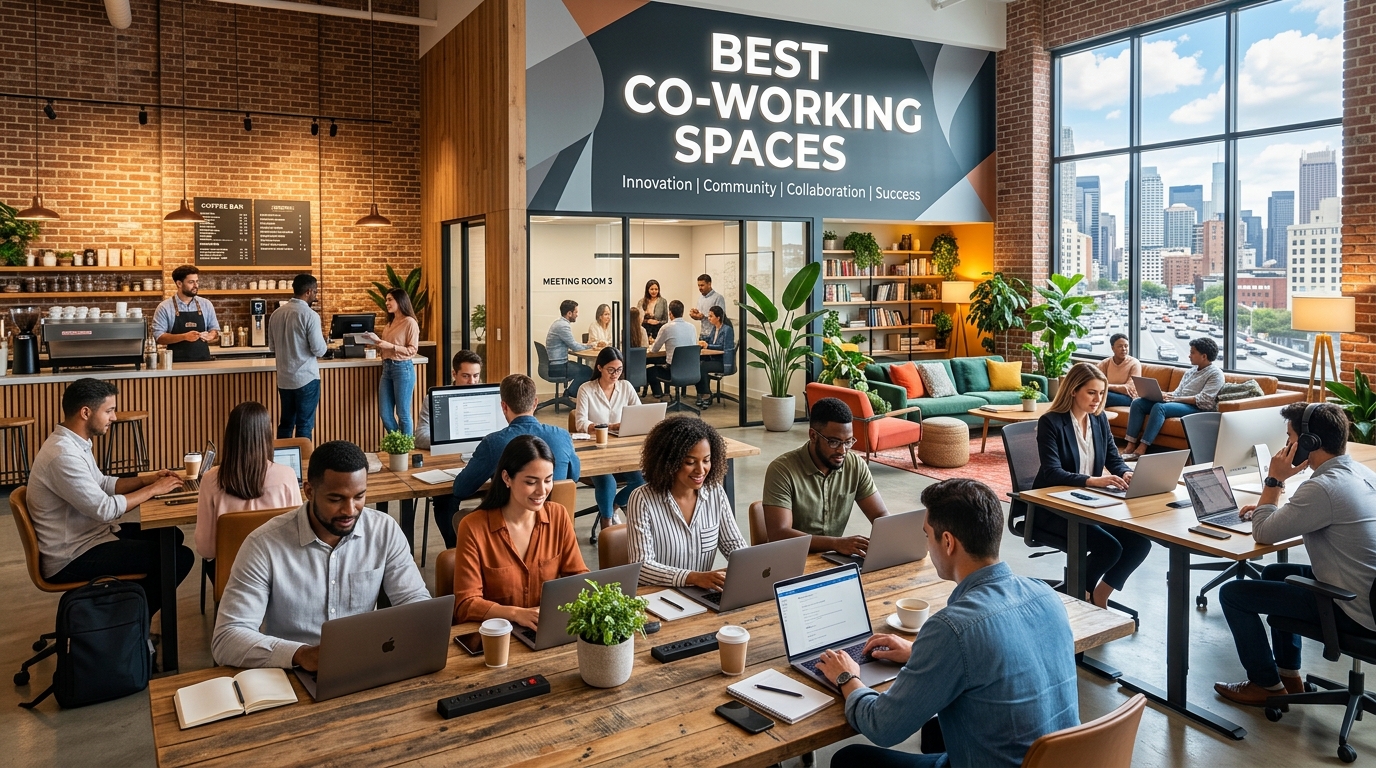
    • Development of co-working and shared office spaces
    • Emergence of local food systems and farmers’ markets

    Technology and the Urban Lifestyle

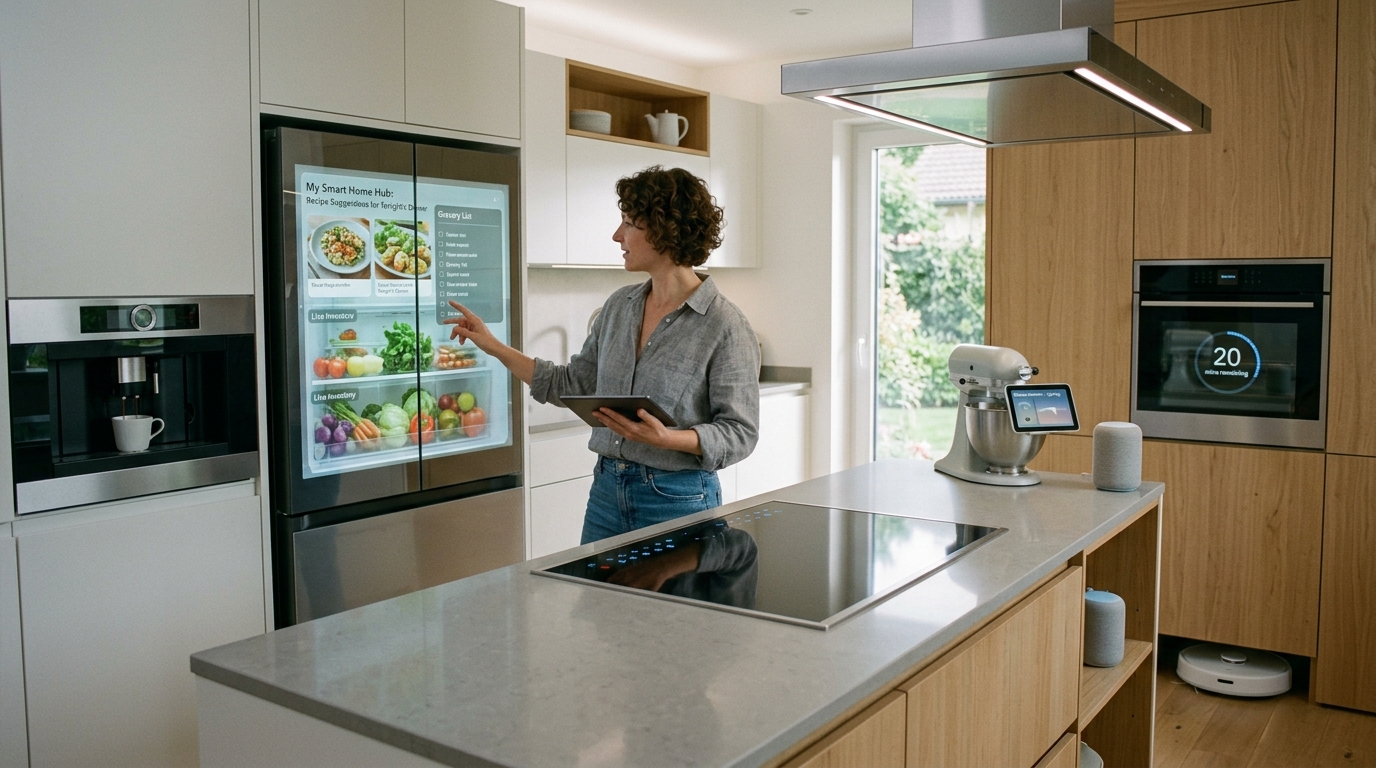
    Technology is having a profound impact on the urban lifestyle, from smart homes and cities to the proliferation of mobile payments and digital wallets. As cities become increasingly connected, residents are benefiting from improved services, reduced congestion, and enhanced quality of life.

    The Future of Urban Living: Opportunities and Challenges

    As the urban landscape continues to evolve, cities face both opportunities and challenges. The need for sustainable living, community engagement, and technological innovation will shape the future of urban living. However, addressing issues like housing affordability, transportation congestion, and social inequality will require innovative solutions and collaborative approaches.

    Practical Insights for Urban Dwellers

    FAQ: Your Guide to Embracing the Urban Lifestyle

    Q: How can I make the most of my urban experience?

    A: Engage with your community, participate in local events and initiatives, and explore your city’s hidden gems. From street art to community gardens, there are countless ways to connect with and contribute to your urban environment.

    Q: What are the benefits of sustainable living in urban areas?

    A: Sustainable living in urban areas reduces your carbon footprint, supports local ecosystems, and contributes to a healthier environment. By embracing eco-friendly practices, you’ll not only benefit the planet, but also enhance your quality of life.

    Q: How can I find my perfect urban neighborhood?

    A: Research local demographics, transportation options, and community amenities. Visit the area, talk to residents, and explore the local vibe. With the right neighborhood, you’ll find a sense of belonging and community that’s hard to find elsewhere.

    Q: What role will technology play in shaping the urban lifestyle?

    A: Technology will continue to transform the urban experience, from smart home automation to connected transportation systems. By embracing digital innovations, you’ll enhance your convenience, safety, and overall quality of life.

  • 5 Proven Strategies to Save Your City Millions on Its Next Budget Cycle

    5 Proven Strategies to Save Your City Millions on Its Next Budget Cycle

    City Budget Planning: A Comprehensive Guide

    As a city grows and evolves, its budget must adapt to meet the changing needs of its citizens. Effective city budget planning is crucial for ensuring that public services are provided efficiently and effectively. In this article, we will explore the essential components of city budget planning, the challenges involved, and the strategies that cities can employ to create a balanced and sustainable budget.

    Understanding the City Budget Process

    The city budget process typically begins with a review of the previous year’s budget and an assessment of the city’s financial situation. This is followed by a series of meetings and discussions among city officials, department heads, and other stakeholders to identify priorities and allocate funds. The budget is then finalized and presented to the city council or other governing body for approval.

    The Key Components of City Budget Planning

    Effective city budget planning involves several key components, including:

    • Revenue forecasting**: Estimating the city’s projected revenues from various sources, such as property taxes, sales taxes, and grants.
    • Expenditure planning**: Determining the city’s projected expenditures for various departments and services, such as public safety, public works, and recreation.
    • Funding priorities**: Identifying the city’s top priorities and allocating funds accordingly.
    • Performance metrics**: Establishing measurable goals and performance metrics to track the city’s progress and ensure accountability.

    Challenges in City Budget Planning

    City budget planning is not without its challenges. Some of the key issues that cities may face include:

    • Uncertainty and unpredictability**: City revenues and expenditures can be unpredictable, making it difficult to create a stable and sustainable budget.
    • Conflicting priorities**: Different city departments and stakeholders may have competing priorities and demands, making it challenging to allocate funds effectively.
    • Limited resources**: Cities may face budget constraints, limiting their ability to invest in new projects and services.

    Strategies for Effective City Budget Planning

    Despite the challenges, there are several strategies that cities can employ to create a balanced and sustainable budget. Some of these strategies include:

    • Long-term planning**: Cities should engage in long-term planning to anticipate and prepare for future financial challenges and opportunities.
    • Collaboration and coordination**: Cities should foster collaboration and coordination among different departments and stakeholders to ensure that resources are allocated efficiently and effectively.
    • Transparency and accountability**: Cities should prioritize transparency and accountability in their budgeting processes, ensuring that citizens have access to clear and accurate information about the city’s finances.

    The Importance of Budget Contingency Planning

    Budget contingency planning is a critical component of city budget planning. This involves identifying potential risks and uncertainties and developing strategies to mitigate their impact. Some of the key elements of budget contingency planning include:

    • Identifying potential risks**: Cities should identify potential risks and uncertainties, such as changes in revenue or expenditure patterns.
    • Developing contingency plans**: Cities should develop contingency plans to address potential risks and uncertainties, such as developing alternative funding sources or reducing expenditures.

    Conclusion

    Effective city budget planning is essential for ensuring that public services are provided efficiently and effectively. By understanding the key components of city budget planning, identifying challenges, and employing effective strategies, cities can create a balanced and sustainable budget. Additionally, budget contingency planning is critical for mitigating potential risks and uncertainties.

    FAQs

    What is the role of city officials in budget planning?

    City officials play a crucial role in budget planning, as they are responsible for reviewing the city’s financial situation, identifying priorities, and allocating funds. They should also engage in long-term planning, collaborate with different departments and stakeholders, and prioritize transparency and accountability.

    How can cities ensure that their budget is balanced and sustainable?

    Cities can ensure that their budget is balanced and sustainable by engaging in long-term planning, prioritizing transparency and accountability, and employing effective strategies such as collaboration and coordination among different departments and stakeholders.

    What is the importance of budget contingency planning?

    Budget contingency planning is critical for mitigating potential risks and uncertainties. Cities should identify potential risks and uncertainties, develop contingency plans, and prioritize transparency and accountability in their budgeting processes.

    How can cities foster collaboration and coordination among different departments and stakeholders?

    Cities can foster collaboration and coordination among different departments and stakeholders by engaging in regular meetings and discussions, establishing clear communication channels, and prioritizing open and transparent communication.

    What are some common challenges in city budget planning?

    Some common challenges in city budget planning include uncertainty and unpredictability, conflicting priorities, and limited resources. Cities should prioritize long-term planning, collaboration and coordination among different departments and stakeholders, and transparency and accountability to overcome these challenges.