Category: STARTUPS

  • 10 Simple Swaps to Make Your Weekly Shop a Whole Lot Greener

    10 Simple Swaps to Make Your Weekly Shop a Whole Lot Greener

    Sustainable Shopping Guide: Making Eco-Friendly Choices

    In today’s fast-paced world, our shopping habits play a significant role in the environment. The way we consume, produce, and dispose of products has a direct impact on the planet. Sustainable shopping is no longer just a trend, but a necessity. In this article, we will explore the concept of sustainable shopping, its benefits, and provide you with a comprehensive guide on how to make eco-friendly choices.

    What is Sustainable Shopping?

    Sustainable shopping refers to the practice of making purchasing decisions that minimize harm to the environment, conserve natural resources, and promote fair labor practices. It involves choosing products that are produced, packaged, and distributed in a way that reduces waste, conserves energy, and protects biodiversity.

    The Benefits of Sustainable Shopping

    • Reduces carbon footprint: By choosing products with minimal packaging, buying in bulk, and avoiding single-use plastics, we can significantly reduce our carbon footprint.
    • Conserves natural resources: Sustainable shopping promotes the use of renewable resources, reduces waste, and conserves water and energy.
    • Supports local communities: Buying locally sourced products supports local farmers, artisans, and small businesses, contributing to the economic well-being of the community.
    • Promotes fair labor practices: Sustainable shopping encourages companies to adopt fair labor practices, ensuring workers are paid fairly, work in safe conditions, and have the right to collective bargaining.

    Practical Tips for Sustainable Shopping

    Here are some practical tips to help you make sustainable shopping choices:

    1. Choose Products with Minimal Packaging

    Opt for products with minimal packaging, and when possible, buy in bulk. This reduces waste and conserves natural resources.

    2. Buy Second-Hand and Refurbished Items

    Consider buying second-hand or refurbished items, such as clothing, furniture, and electronics. This reduces waste, conserves resources, and supports local communities.

    3. Support Local and Small Businesses

    Buying from local and small businesses promotes the local economy, supports artisans, and encourages fair labor practices.

    4. Avoid Single-Use Plastics

    Refuse single-use plastics, such as straws, water bottles, and shopping bags, and opt for reusable alternatives instead.

    5. Check Product Labels and Certifications

    When shopping, check product labels and certifications, such as Fairtrade, Organic, and Energy Star, to ensure you’re making eco-friendly choices.

    Common Misconceptions About Sustainable Shopping

    Here are some common misconceptions about sustainable shopping:

    1. Sustainable shopping is expensive

    While some sustainable products may be pricier, the long-term benefits and cost savings far outweigh the initial investment.

    2. Sustainable shopping is only for the wealthy

    Sustainable shopping is accessible to everyone, regardless of income or social status. By making small changes to our shopping habits, we can all contribute to a more sustainable future.

    3. Sustainable shopping is too complicated

    Sustainable shopping is easier than you think. Start with small changes, such as using reusable bags or choosing products with minimal packaging, and gradually incorporate more sustainable practices into your daily life.

    FAQs

    Q: What is the best way to reduce waste while shopping?

    A: One effective way to reduce waste while shopping is to buy products with minimal packaging, choose products that are refillable or reusable, and avoid single-use plastics.

    Q: How can I ensure I’m buying fair-trade products?

    A: To ensure you’re buying fair-trade products, look for certifications like Fairtrade, Organic, and Energy Star, and research the company’s labor practices and supply chain transparency.

    Q: What are some eco-friendly alternatives to single-use plastics?

    A: Some eco-friendly alternatives to single-use plastics include reusable shopping bags, beeswax wraps, and stainless steel water bottles.

    Q: How can I make sustainable shopping a habit?

    A: To make sustainable shopping a habit, start by making small changes to your daily routine, such as using reusable bags or choosing products with minimal packaging. Gradually incorporate more sustainable practices into your life, and involve your friends and family in the process.

    Conclusion

    Sustainable shopping is a vital practice that not only benefits the environment but also promotes fair labor practices and supports local communities. By making small changes to our shopping habits, we can contribute to a more sustainable future. In this article, we’ve explored the concept of sustainable shopping, its benefits, and provided you with a comprehensive guide on how to make eco-friendly choices. Remember, every small change counts, and together, we can create a more sustainable world.

  • Cut Your Carbon Footprint in Half by Next Year

    Cut Your Carbon Footprint in Half by Next Year

    Reducing Your Carbon Footprint: A Guide to a More Sustainable Future

    Introduction

    In recent years, the world has been grappling with the issue of climate change, and one of the key factors contributing to this problem is our carbon footprint. The carbon footprint refers to the amount of greenhouse gas emissions produced by an individual, organization, or product. These emissions are a major contributor to global warming, which has severe consequences for our planet and its inhabitants. Reducing our carbon footprint is essential to mitigate the effects of climate change and create a more sustainable future.

    Understanding Your Carbon Footprint

    A carbon footprint is a measure of the impact human activities have on the environment in terms of carbon dioxide (CO2) emissions. These emissions are a result of burning fossil fuels, such as coal, oil, and natural gas, which release CO2 into the atmosphere. The more we use these fossil fuels, the higher our carbon footprint. This not only contributes to global warming but also leads to other environmental issues like air pollution, water pollution, and loss of biodiversity.

    Reducing Your Carbon Footprint: Practical Tips

    Reducing our carbon footprint requires a collective effort, and every small step counts. Here are some practical tips to help you reduce your carbon footprint:

    Transportation

    One of the easiest ways to reduce your carbon footprint is to change your transportation habits. Consider the following:

    • Use public transport**: Using buses, trains, or subways for your daily commute can significantly reduce your carbon footprint.
    • Carpool or ride-share**: If you have colleagues or friends who live near you, consider carpooling or ride-sharing to work.
    • Drive an electric or hybrid vehicle**: If you need to own a car, consider purchasing an electric or hybrid vehicle, which produces fewer emissions.
    • Cycle or walk**: For shorter distances, consider cycling or walking instead of driving a car.

    Energy Consumption

    Reducing energy consumption is another effective way to lower your carbon footprint. Here are some tips:

    • Switch to energy-efficient lighting**: Replace traditional incandescent bulbs with LED or CFL bulbs, which consume less energy and last longer.
    • Turn off lights and electronics**: Make it a habit to switch off lights, TVs, and electronics when not in use.
    • Use power-saving devices**: Invest in power-saving devices like smart plugs and energy-efficient appliances.

    Food and Waste

    Our food choices and waste management also play a significant role in our carbon footprint. Here are some tips to reduce your carbon footprint in these areas:

    • Eat a plant-based diet**: A plant-based diet produces significantly lower greenhouse gas emissions compared to a meat-based diet.
    • Reduce food waste**: Plan your meals, use up leftovers, and compost food waste to minimize the amount of waste that ends up in landfills.
    • Recycle and compost**: Make sure to recycle and compost as much as possible to reduce the amount of waste that ends up in landfills.

    Home and Work

    Our homes and workplaces also contribute to our carbon footprint. Here are some tips to reduce your carbon footprint in these areas:

    • Insulate your home**: Proper insulation can reduce heat loss and lower your energy bills.
    • li>Use natural light**: During the day, use natural light instead of turning on lights.

    • Conduct an energy audit**: Hire a professional to conduct an energy audit of your home or workplace to identify areas for improvement.

    Conclusion

    Reducing our carbon footprint is a collective effort that requires small changes in our daily habits. By implementing the tips mentioned above, we can significantly reduce our carbon footprint and contribute to a more sustainable future. Remember, every small step counts, and together we can make a difference.

    FAQs

    Q: What is the best way to reduce my carbon footprint?

    A: The best way to reduce your carbon footprint is to make small changes in your daily habits, such as using public transport, carpooling, driving an electric or hybrid vehicle, and reducing energy consumption.

    Q: Can I reduce my carbon footprint by eating a plant-based diet?

    A: Yes, eating a plant-based diet can significantly reduce your carbon footprint. Animal agriculture is a significant contributor to greenhouse gas emissions, and a plant-based diet produces significantly lower emissions.

    Q: How can I reduce my energy consumption at home?

    A: You can reduce your energy consumption at home by switching to energy-efficient lighting, turning off lights and electronics when not in use, and using power-saving devices like smart plugs and energy-efficient appliances.

    Q: Can I reduce my carbon footprint by recycling and composting?

    A: Yes, recycling and composting can significantly reduce your carbon footprint by minimizing the amount of waste that ends up in landfills and reducing the need for new raw materials. Make sure to recycle and compost as much as possible.

    Q: How can I calculate my carbon footprint?

    A: You can calculate your carbon footprint by tracking your energy consumption, transportation habits, and food choices, and then using online tools or calculators to estimate your carbon footprint. There are many online resources available to help you calculate your carbon footprint and identify areas for improvement.

  • 10 Smart Home Devices That Will Revolutionize Your Daily Life

    10 Smart Home Devices That Will Revolutionize Your Daily Life

    Best Smart Home Devices for a Connected and Convenient Life

    A Guide to Enhancing Your Home with Smart Technology

    Smart home devices have revolutionized the way we live and interact with our living spaces. From voice assistants to smart lighting systems, these innovative products have made it possible to control and automate various aspects of our homes with ease. In this article, we will explore the best smart home devices that can elevate your living experience, improve energy efficiency, and increase convenience.

    Smart Home Devices for Lighting and Illumination

    Smart lighting systems are one of the most popular and widely adopted smart home devices. These systems allow you to control and schedule lighting remotely using your smartphone or voice assistant. Some of the best smart lighting devices include:

    • Philips Hue: A popular smart lighting system that offers a wide range of color temperatures and customizable lighting scenes.
    • LIFX: A smart lighting system that offers Wi-Fi connectivity, color-changing bulbs, and voice control through popular smart home platforms.
    • Belkin Wemo: A smart lighting system that offers Wi-Fi connectivity, voice control, and customizable lighting scenes.

    Smart Home Devices for Security and Surveillance

    Smart home security and surveillance devices have become increasingly popular in recent years. These devices provide an additional layer of security and peace of mind for homeowners. Some of the best smart home security devices include:

    • Ring Video Doorbell: A smart doorbell that offers video recording, motion detection, and alerts to your smartphone.
    • Nest Secure: A comprehensive smart home security system that includes a base station, sensors, and a keypad.
    • Arlo Pro: A wireless smart security camera that offers 4K video, motion detection, and night vision.

    Smart Home Devices for Home Automation and Control

    Smart home automation devices allow you to control and automate various aspects of your home with ease. Some of the best smart home automation devices include:

    • Amazon Echo: A popular smart speaker that offers voice control over a wide range of smart home devices.
    • Google Home: A smart speaker that offers voice control over a wide range of smart home devices and integrates seamlessly with Google services.
    • Apple HomeKit: A smart home platform that allows you to control and automate various aspects of your home using your iPhone or iPad.

    Smart Home Devices for Energy Efficiency and Monitoring

    Smart home devices for energy efficiency and monitoring help you track and manage your energy usage. Some of the best smart home devices for energy efficiency and monitoring include:

    • Ecobee: A smart thermostat that offers Wi-Fi connectivity, voice control, and energy monitoring.
    • Nest Learning Thermostat: A smart thermostat that learns your schedule and preferences to optimize energy usage.
    • Sense: A smart energy monitor that offers real-time energy usage tracking and alerts to reduce energy waste.

    Smart Home Devices for Convenience and Entertainment

    Smart home devices for convenience and entertainment make your life easier and more enjoyable. Some of the best smart home devices for convenience and entertainment include:

    • August Smart Lock: A smart lock that offers keyless entry, voice control, and remote monitoring.
    • TP-Link Smart Plugs: Smart plugs that offer Wi-Fi connectivity, voice control, and real-time energy monitoring.
    • Sonos One: A smart speaker that offers voice control, Wi-Fi connectivity, and seamless music streaming.

    Conclusion

    The best smart home devices can enhance your living experience, improve energy efficiency, and increase convenience. With a wide range of options available, it’s essential to choose devices that meet your specific needs and integrate seamlessly with your existing smart home ecosystem. By investing in the right smart home devices, you can create a more connected, automated, and enjoyable home.

    FAQ

    Q: What is the most important thing to consider when choosing smart home devices?

    A: When choosing smart home devices, consider the compatibility and integration with your existing smart home ecosystem. Ensure that the devices you choose are compatible with your voice assistant, smart home platform, and other devices.

    Q: Can smart home devices be hacked or compromised?

    A: Like any connected device, smart home devices can be vulnerable to hacking and compromise. However, many smart home devices come with built-in security features and encryption to protect your data and prevent unauthorized access.

    Q: Do smart home devices require a lot of technical expertise to install and set up?

    A: Most smart home devices are relatively easy to install and set up, even for those with limited technical expertise. Many devices come with user-friendly apps and instructions to guide you through the setup process.

    Q: Can smart home devices be integrated with other smart devices and systems?

    A: Many smart home devices are designed to integrate with other smart devices and systems. Look for devices that offer compatibility with popular smart home platforms, voice assistants, and other devices to create a seamless and connected smart home experience.

    Q: Are smart home devices worth the investment?

    A: Smart home devices can be a worthwhile investment for those who value convenience, energy efficiency, and enhanced living experiences. However, it’s essential to choose devices that meet your specific needs and integrate seamlessly with your existing smart home ecosystem.

  • 7 Eco Living Mistakes You’re Making (And How to Fix Them)

    7 Eco Living Mistakes You’re Making (And How to Fix Them)

    Eco Living Mistakes: Common Errors to Avoid for a Greener Tomorrow

    Introduction

    Eco living, also known as sustainable or environmentally conscious living, has become a buzzword in recent years. As people become increasingly aware of the impact of their daily choices on the planet, many are making a concerted effort to reduce their ecological footprint. However, even with the best intentions, eco living mistakes can occur, hindering progress and sometimes causing more harm than good. In this article, we’ll explore common eco living mistakes, what causes them, and how to avoid them.

    The Problem with Single-Use Plastics

    Single-use plastics have become ubiquitous in modern life. From water bottles and straws to shopping bags and cutlery, their convenience is undeniable. Yet, their impact on the environment is devastating. Single-use plastics contribute to the staggering 8 million tons of plastic waste that enter our oceans every year, harming marine life and contaminating the food chain. Eco living mistakes often involve overreliance on single-use plastics, which can be easily replaced with reusable alternatives like cloth bags, stainless steel water bottles, and bamboo straws.

    Why We Use Single-Use Plastics

    The convenience and perceived affordability of single-use plastics are significant contributors to their widespread use. However, the costs of this convenience far outweigh any benefits. The environmental, health, and economic impacts of single-use plastics are well-documented, yet many of us continue to rely on them. By understanding the underlying causes of this behavior, we can begin to make changes.

    The Importance of Proper Food Storage

    Food storage is an often-overlooked aspect of eco living. The use of plastic wrap, aluminum foil, and Styrofoam containers can contribute to a significant amount of waste. Eco living mistakes often involve neglecting to use reusable containers, such as glass jars and beeswax wraps, for food storage. Not only do these alternatives reduce waste, but they also offer a more sustainable and healthier option for food preservation.

    Benefits of Reusable Containers

    Reusable containers offer numerous benefits, including reducing waste, preserving food, and promoting a healthier diet. By using containers made from sustainable materials, such as glass and beeswax, we can minimize our impact on the environment and create a more sustainable food system.

    The Dark Side of Fast Fashion</hassistant

    Fast Fashion’s Impact on the Environment

    Fast fashion, characterized by its rapid production and disposal cycles, is a significant contributor to environmental degradation. The production of synthetic fibers, used in many fast fashion garments, relies on non-renewable resources and generates substantial waste. Eco living mistakes often involve overreliance on fast fashion, which can be replaced with sustainable, second-hand, or locally sourced clothing options.

    Consequences of Fast Fashion

    The consequences of fast fashion are far-reaching, affecting not only the environment but also workers and communities worldwide. The textile industry is one of the largest polluters in the world, with the production of synthetic fibers contributing to water pollution, soil degradation, and loss of biodiversity. By choosing sustainable fashion options, we can mitigate these impacts and promote a more equitable and environmentally conscious industry.

    The Problem with Meat Consumption

    Meat consumption has become a significant contributor to greenhouse gas emissions, deforestation, and water pollution. The production of animal products, particularly beef, requires large amounts of resources, including feed, water, and land. Eco living mistakes often involve overreliance on meat, which can be easily replaced with plant-based alternatives. By reducing meat consumption, we can significantly reduce our ecological footprint and promote a more sustainable food system.

    Benefits of Plant-Based Diets

    Plant-based diets offer numerous benefits, including reduced greenhouse gas emissions, improved water efficiency, and increased food security. By choosing plant-based options, we can mitigate the negative impacts of meat production and promote a more sustainable food system.

    The Impact of Energy Consumption

    Energy consumption is a significant contributor to greenhouse gas emissions, with the majority of emissions coming from fossil fuels. Eco living mistakes often involve neglecting to use energy-efficient appliances, turn off lights, and insulate homes. By taking simple steps to reduce energy consumption, we can significantly reduce our ecological footprint and promote a more sustainable energy system.

    Benefits of Energy Efficiency

    Energy-efficient appliances and practices offer numerous benefits, including reduced energy consumption, lower utility bills, and a reduced carbon footprint. By choosing energy-efficient options, we can mitigate the negative impacts of energy consumption and promote a more sustainable energy system.

    Avoiding Common Eco Living Mistakes

    Eco living mistakes can be avoided by taking a few simple steps:

    • Reduce single-use plastics by choosing reusable alternatives.
    • Use proper food storage by choosing reusable containers.
    • Avoid fast fashion by choosing sustainable, second-hand, or locally sourced clothing options.
    • Reduce meat consumption by choosing plant-based alternatives.
    • Use energy-efficient appliances and practices to reduce energy consumption.

    Practical Eco Living Tips

    Q: What are some effective ways to reduce single-use plastics?

    A: Effective ways to reduce single-use plastics include carrying a reusable water bottle, using cloth bags for shopping, and choosing products with minimal packaging. Additionally, avoid products with microbeads, which can harm marine life.

    Q: How can I make the switch to a plant-based diet?

    A: Making the switch to a plant-based diet can be done gradually. Start by incorporating plant-based meals into your diet, such as lentil soup or vegetable stir-fries. You can also explore plant-based alternatives to your favorite foods, such as plant-based milks and vegan cheese.

    Q: What are some energy-efficient practices I can implement at home?

    A: Energy-efficient practices you can implement at home include turning off lights when not in use, using energy-efficient appliances, and insulating your home. You can also consider investing in solar panels or a wind turbine to generate renewable energy.

    Q: How can I reduce my carbon footprint?

    A: Reducing your carbon footprint can be done by making simple changes to your daily habits, such as using public transport, carpooling, or biking. You can also invest in renewable energy sources, such as solar panels or a wind turbine, and reduce your energy consumption by using energy-efficient appliances.

    Conclusion

    Eco living mistakes can have a significant impact on the environment. By understanding the causes of these mistakes and taking simple steps to avoid them, we can promote a more sustainable and environmentally conscious lifestyle. By choosing reusable alternatives, reducing meat consumption, and using energy-efficient appliances, we can significantly reduce our ecological footprint and promote a greener tomorrow.

  • 5 Ways to Make Your City a Model for Sustainable Growth

    5 Ways to Make Your City a Model for Sustainable Growth

    Sustainable City Planning: A Path to a Greener Future

    The Importance of Sustainable City Planning

    As the world’s population continues to grow, the need for sustainable city planning has become more pressing than ever. Cities are the hubs of economic, social, and cultural activities, but they also face numerous environmental challenges, including climate change, pollution, and waste management. Sustainable city planning is not just a moral imperative, but also a necessity for the well-being of citizens and the planet.

    Defining Sustainable City Planning

    Sustainable city planning involves designing and managing cities in a way that balances economic, social, and environmental needs. It requires considering the long-term effects of urban development on the environment, public health, and the economy. Sustainable cities prioritize green spaces, efficient transportation systems, and waste reduction, while also promoting social equity and community engagement.

    Key Components of Sustainable City Planning

    • Green Infrastructure: This includes parks, gardens, green roofs, and urban forests that help to mitigate the urban heat island effect, reduce stormwater runoff, and provide habitats for wildlife.
    • Energy-Efficient Buildings: Buildings that are designed to maximize natural light and ventilation, use energy-efficient materials, and incorporate renewable energy sources can significantly reduce energy consumption.
    • Public Transportation: Well-designed public transportation systems can reduce reliance on personal vehicles, decrease air pollution, and promote a more sustainable transportation culture.
    • Waste Reduction and Recycling: Cities can implement effective waste management systems that reduce waste, increase recycling rates, and promote a culture of sustainability.
    • Walkability and Bikeability: Pedestrian-friendly and bikeable cities promote physical activity, reduce traffic congestion, and enhance community engagement.

    Benefits of Sustainable City Planning

    Sustainable city planning offers numerous benefits, including:

    • Improved air and water quality
    • Enhanced public health and well-being
    • Increased economic competitiveness and resilience
    • Reduced greenhouse gas emissions and climate change mitigation
    • Increased community engagement and social equity

    Challenges to Sustainable City Planning

    While sustainable city planning offers numerous benefits, it also faces several challenges, including:

    • Lack of funding and resources
    • Resistance to change from existing stakeholders
    • Inadequate infrastructure and zoning regulations
    • Short-term thinking and lack of long-term vision
    • Disparities in access to green spaces and public amenities

    Practical Steps to Achieve Sustainable City Planning

    How to Get Started

    Implementing sustainable city planning requires a multi-faceted approach that involves:

    • Engaging citizens and stakeholders in the planning process
    • Conducting thorough environmental impact assessments
    • Developing green infrastructure and sustainable transportation systems
    • Implementing energy-efficient building codes and renewable energy sources
    • Encouraging community-led initiatives and participatory budgeting

    FAQs on Sustainable City Planning

    Q: What is the most effective way to reduce carbon emissions in cities?

    A: Encouraging the use of electric or hybrid vehicles, investing in renewable energy sources, and promoting green infrastructure can significantly reduce carbon emissions.

    Q: How can cities ensure that green spaces and public amenities are accessible to all citizens?

    A: Cities can implement inclusive zoning regulations, provide affordable housing options near green spaces, and invest in community-led initiatives that promote social equity and access to public amenities.

    Q: What role do citizens play in sustainable city planning?

    A: Citizens can engage in participatory budgeting, attend community meetings, and participate in citizen-led initiatives that promote sustainable development. Their input is crucial in shaping the future of their cities.

    Q: What are some common myths about sustainable city planning?

    A: Some common myths include the idea that sustainable city planning is expensive, that it requires sacrificing economic growth for environmental benefits, or that it is a top-down process that ignores community input. In reality, sustainable city planning can be cost-effective, socially equitable, and community-led.

    Conclusion

    Sustainable city planning is a critical component of creating livable, resilient, and environmentally conscious cities. By prioritizing green infrastructure, energy-efficient buildings, public transportation, waste reduction, and walkability, cities can promote a culture of sustainability that benefits both citizens and the planet. As cities continue to grow and evolve, it is essential that they adopt a long-term vision that balances economic, social, and environmental needs.

  • 7 Surprising Ways to Give Your Home a Fresh Face with Recycled Decor

    7 Surprising Ways to Give Your Home a Fresh Face with Recycled Decor

    Recycled Home Decor Ideas

    A Sustainable Approach to Home Decorating

    As we become increasingly aware of the environmental impact of our daily lives, many of us are looking for ways to reduce our waste and live more sustainably. One area where we can make a significant difference is in our home decor choices. Traditional home decor often involves purchasing new, often mass-produced items that contribute to the staggering amounts of waste generated by the consumer goods industry. However, there’s a more eco-friendly way to decorate your home – by using recycled and repurposed materials.

    Get Creative with Recycled Materials

    One of the most exciting aspects of recycled home decor is the endless possibilities for creative expression. From old pallets to discarded glass bottles, the materials available for repurposing are endless. Consider the following ideas to get you started:

    • Pallet furniture: Upcycle old pallets into functional pieces like coffee tables, benches, or even a headboard.
    • Lighting: Transform old bottles or jars into unique pendant lights or table lamps.
    • Shelving: Repurpose old doors or windows to create rustic, one-of-a-kind shelving units.
    • Textiles: Breathe new life into old clothing by repurposing them as decorative items, such as a patchwork quilt or a set of embroidered table runners.

    Transforming Old Items into Beautiful Decor

    Old items can be transformed into beautiful and unique home decor pieces with a little creativity and some TLC. Consider the following techniques to breathe new life into your old items:

    • Painting: Give old furniture a fresh coat of paint to update its look and feel.
    • Upcycling: Add new textures and patterns to old items using materials like fabric, ribbons, or even found objects.
    • Decoupage: Apply layers of paint or varnish to create a collage of images or patterns on an old surface.
    • Restoration: Restore old items to their original glory by repairing damaged parts and refinishing surfaces.

    The Benefits of Recycled Home Decor

    Not only is recycled home decor a more sustainable option, but it also offers numerous benefits for the homeowner. Consider the following advantages:

    • Unique and Personalized: Recycled home decor allows you to create one-of-a-kind pieces that reflect your personal style and interests.
    • Sustainable: By repurposing and reusing materials, you’re significantly reducing the amount of waste sent to landfills and minimizing the demand for new, resource-intensive materials.
    • Cost-Effective: Upcycling and repurposing materials can be a cost-effective way to update your home decor without breaking the bank.
    • Storytelling: Each recycled item tells a story of its past life, adding a rich history and character to your home.

    Getting Started with Recycled Home Decor

    Whether you’re a seasoned DIY enthusiast or a beginner, incorporating recycled home decor into your space can be a fun and rewarding experience. Here are some tips to help you get started:

    • Start small: Begin with a single item, like a vintage window, and work your way up to more complex projects.
    • Experiment and play: Don’t be afraid to try new techniques and explore different materials and textures.
    • Visit thrift stores and flea markets: These are great places to find unique and often overlooked items that can be repurposed into beautiful decor pieces.
    • Involve your community: Host a DIY workshop or invite friends over for a repurposing party to share ideas and learn from one another.

    Conclusion

    Recycled home decor offers a unique and sustainable approach to updating your living space. By repurposing and reusing materials, you can create one-of-a-kind pieces that not only reflect your personal style but also contribute to a more environmentally conscious world. So, the next time you’re considering a new piece of furniture or decor, think twice – and instead, get creative with what you already have.

    FAQs

    Q: What are some common materials I can repurpose for home decor?

    A: Common materials include old pallets, discarded glass bottles, vintage windows, and repurposed fabric, among others. Get creative and think about how you can transform these materials into functional and beautiful pieces.

    Q: How can I protect and preserve my repurposed home decor items?

    A: To protect and preserve your repurposed items, consider applying a coat of varnish or polyurethane to protect against wear and tear. Additionally, keep an eye on the item’s condition and perform any necessary repairs to maintain its integrity.

    Q: What are some popular DIY projects for repurposed materials?

    A: Some popular DIY projects include upcycling old pallets into furniture, transforming vintage windows into decorative wall art, and creating unique lighting fixtures from discarded glass bottles.

    Q: Can I use repurposed materials in outdoor spaces?

    A: Yes, repurposed materials can be used in outdoor spaces, but be sure to consider the materials’ durability and resistance to weather conditions. Apply a weather-resistant coating or sealant to protect your outdoor decor from the elements.

  • 50 Ways to Save Energy at Home Without Breaking the Bank

    50 Ways to Save Energy at Home Without Breaking the Bank

    Energy Saving Tips for a Greener Tomorrow

    A New Era of Sustainability

    As the world becomes increasingly aware of the importance of preserving our planet’s resources, we’re seeing a growing trend towards energy efficiency and sustainability. From governments to individuals, everyone’s on board to reduce their carbon footprint and make a positive impact on the environment. But, how can we make a real difference? One way to start is by adopting some simple yet effective energy-saving tips in our daily lives.

    Switching to Energy-Efficient Lighting

    One of the easiest ways to cut back on energy consumption is by replacing traditional incandescent bulbs with energy-efficient alternatives. Compact fluorescent lamps (CFLs) and light-emitting diodes (LEDs) are excellent options, using significantly less energy to produce the same amount of light. In fact, CFLs use up to 75% less energy and last up to 10 times longer than traditional bulbs. When shopping for new bulbs, make sure to check the packaging for the “Energy Star” label, which indicates that the product meets energy efficiency standards.

    Reducing Standby Power Consumption

    Did you know that even when your appliances are turned off, they can still consume energy? This phenomenon is known as “standby power consumption” or “vampire power.” It’s estimated that in an average American home, over 10% of the energy used is consumed by devices on standby. To minimize this, unplug your appliances when not in use or switch them off at the wall outlet. This simple habit can make a significant difference in reducing your energy consumption.

    Smart Thermostats and Temperature Control

    A well-insulated home is a happy home, but did you know that a well-regulated temperature can also help reduce your energy bills? By installing a smart thermostat, you can optimize your heating and cooling system to work efficiently and minimize energy waste. These devices can learn your schedule and preferences to provide the perfect temperature, adjusting automatically to reduce energy consumption. Additionally, consider installing a programmable thermostat or a simple timer to manually adjust the temperature when you’re away or sleeping.

    Conserve Water and Energy

    Water and energy are often used together in our daily lives. Take a few minutes each day to turn off the tap while brushing your teeth, washing your hands, or rinsing dishes. Installing low-flow showerheads and toilets can also make a significant impact. When it comes to energy, look for appliances with the WaterSense label, which indicates that the product meets EPA standards for water efficiency.

    Weatherproof Your Home

    A well-insulated home not only saves energy but also reduces the need for expensive repairs. Check your home’s insulation, windows, and doors for any gaps or weaknesses. Consider adding weatherstripping around doors and windows, installing storm windows, or upgrading to energy-efficient windows. You can also seal any gaps or cracks in walls, floors, and ceilings with caulk or spray foam.

    Energy-Efficient Appliances

    When it’s time to upgrade your appliances, look for energy-efficient models. Check the energy guide label on your refrigerator, dishwasher, and washing machine to ensure they meet the latest energy standards. Consider investing in a new refrigerator with an energy-efficient compressor, which can save up to 40% of the energy used by traditional models.

    A Greener Kitchen

    Your kitchen is one of the most energy-intensive areas in your home. When cooking, use a skillet or saucepan instead of the oven to save energy. Use a microwave or toaster oven for reheating or cooking small meals. When washing dishes, use hot water and a dishwasher with an energy-efficient cycle. Consider investing in an energy-efficient range or cooktop with a gas or electric stove.

    Save Energy with Smart Home Devices

    Smart home devices can help you save energy by automating your home’s temperature, lighting, and appliances. Consider investing in a smart plug or smart light bulb, which can be controlled remotely through an app. Some smart home devices can even learn your schedule and preferences to optimize your energy consumption.

    Energy-Efficient Windows

    Windows can be a significant source of heat loss in the winter and heat gain in the summer. Consider upgrading to energy-efficient windows with a low-E coating, which can reduce heat loss by up to 30%. You can also add window treatments, such as curtains or blinds, to block sunlight and reduce heat gain.

    Energy-Saving Habits for a Greener Tomorrow

    By incorporating these energy-saving tips into your daily routine, you’ll not only save money on your energy bills but also contribute to a more sustainable future. Remember, every small change counts, and collective efforts can make a significant difference. So, start today by making a few simple adjustments to your lifestyle, and let’s work together towards a greener tomorrow.

    Practical FAQ

    Q: What is the most effective way to save energy in my home?

    A: The most effective way to save energy is to identify and address any air leaks or gaps in your home’s insulation. Seal any cracks or weaknesses to prevent heat loss and reduce your energy bills.

    Q: Are energy-efficient appliances worth the investment?

    A: Yes, energy-efficient appliances can save you money in the long run. Look for appliances with the Energy Star label, which indicates that the product meets energy efficiency standards.

    Q: How can I reduce my energy consumption without breaking the bank?

    A: Start by making simple changes, such as turning off lights when not in use, using a programmable thermostat, or switching to energy-efficient lighting. These small adjustments can add up to make a significant impact on your energy consumption.

    Q: What are some effective ways to conserve water and energy?

    A: To conserve water and energy, look for low-flow showerheads and toilets, install a low-flow faucet aerator, or use a water-efficient washing machine. Additionally, consider installing a rainwater harvesting system or using greywater for irrigation.

    Q: How can I make my home more energy-efficient without major renovations?

    A: You can make your home more energy-efficient without major renovations by adding weatherstripping around doors and windows, installing storm windows, or upgrading to energy-efficient windows. These simple adjustments can make a significant impact on your energy consumption.

  • Designing for 5 Generations: How Sustainable Homes Can Last Forever

    Designing for 5 Generations: How Sustainable Homes Can Last Forever

    Sustainable Home Design: The Future of Eco-Friendly Living

    Introduction

    As the world becomes increasingly aware of the importance of sustainability, the way we design and build our homes is undergoing a significant transformation. Sustainable home design is no longer just a trend, but a necessity for a healthier, more environmentally conscious future. Gone are the days of imposing, energy-hungry homes that ignore the planet’s needs. Today, architects, builders, and homeowners are coming together to create spaces that not only reduce their ecological footprint but also provide a better quality of life for all occupants.

    The Benefits of Sustainable Home Design

    A well-designed sustainable home can have numerous benefits for both the environment and its inhabitants. Some of the advantages include:

    1. Reduced energy consumption: By using natural light, passive solar design, and energy-efficient appliances, a sustainable home can significantly lower its energy consumption.
    2. Improved indoor air quality: With the use of natural ventilation, air-purifying plants, and low-VOC (volatile organic compound) materials, sustainable homes promote healthier living environments.
    3. Increased property value: A well-designed sustainable home can increase a property’s value by up to 20%.
    4. Enhanced comfort: By incorporating features such as radiant floor heating, underfloor insulation, and smart home technology, sustainable homes provide a more comfortable living experience.

    Key Elements of Sustainable Home Design

    When it comes to creating a sustainable home, several key elements come into play. These include:

    Passive Solar Design

    Passive solar design involves orienting a home to maximize the use of natural light and heat. This can be achieved by:

    1. Orienting windows to face south to capture sunlight during the winter months.
    2. Using thermal mass materials, such as concrete or brick, to store heat during the day and release it at night.

    Natural Ventilation

    Natural ventilation is an essential component of sustainable home design. This can be achieved through:

    1. Using operable windows and doors to provide cross-ventilation.
    2. Designing the home to maximize the use of prevailing winds and breezes.

    Energy-Efficient Appliances and Lighting

    When selecting appliances and lighting for a sustainable home, consider the following:

    • Look for Energy Star-rated appliances, which are designed to consume less energy.
    • Use LED lighting, which is significantly more energy-efficient than traditional incandescent bulbs.

    Materials and Construction

    The choice of materials and construction methods can greatly impact a home’s sustainability. Consider the following:

    Local and Sustainably Sourced Materials

    Using local materials reduces the carbon footprint associated with transportation. Some options include:

    • Reclaimed or recycled materials.
    • Locally sourced wood and other natural materials.

    Insulation and Building Envelope

    A well-insulated home reduces heat loss in winter and heat gain in summer. Consider:

    • Using high-performance insulation materials, such as spray foam or fiberglass batts.
    • Designing a well-insulated building envelope to minimize air infiltration and heat transfer.

    Sustainable Home Design in Practice

    While sustainable home design may seem daunting, there are numerous examples of successful projects around the world. Some notable examples include:

    The Earthship Community

    Located in Taos, New Mexico, the Earthship Community is a model for sustainable living. This off-grid community features:

    • Passive solar design and natural ventilation.
    • Energy-efficient appliances and renewable energy systems.

    The Passive House

    A passive house is a type of home that is designed to require very little energy for heating and cooling. Some features of a passive house include:

    • A well-insulated building envelope.
    • High-performance windows and doors.

    Conclusion

    Sustainable home design is a rapidly evolving field that offers numerous benefits for both the environment and its inhabitants. By incorporating key elements such as passive solar design, natural ventilation, and energy-efficient appliances, we can create homes that not only reduce their ecological footprint but also provide a better quality of life for all occupants.

    FAQs

    Q: What is the cost of a sustainable home?

    A: While the initial cost of a sustainable home may be higher, the long-term benefits and increased property value can make it a worthwhile investment.

    Q: Can I still have a sustainable home if I live in an area with harsh weather conditions?

    A: Yes, sustainable home design can be adapted to accommodate various climates and weather conditions. Consider consulting with an experienced architect or builder to determine the best design for your specific location.

    Q: How can I ensure my home remains energy-efficient over time?</hassistant

    Q: What are some simple ways to make my existing home more sustainable?

    A: Simple changes such as installing energy-efficient light bulbs, using a programmable thermostat, and adding insulation to your attic or walls can make a significant impact. Additionally, consider implementing a home energy audit to identify areas for improvement.

    Q: Can I incorporate sustainable home design elements into a renovation or remodel project?

    A: Absolutely. Renovations and remodels provide an excellent opportunity to incorporate sustainable design elements, such as upgrading to energy-efficient appliances, adding solar panels, or installing a rainwater harvesting system.

  • Cleaning Up the Planet One Bottle at a Time: The Surprising Benefits of Eco-Friendly Cleaning Products

    Cleaning Up the Planet One Bottle at a Time: The Surprising Benefits of Eco-Friendly Cleaning Products

    Eco-Friendly Cleaning Products: A Sustainable Solution for a Greener Future

    As consumers, we’re becoming increasingly aware of the impact our daily habits have on the environment. One area where we can make a significant difference is in our cleaning practices. Traditional cleaning products can harm the planet, our health, and even our pets. Fortunately, eco-friendly cleaning products offer a sustainable solution for a greener future.

    The Problem with Traditional Cleaning Products

    Conventional cleaning products contain harsh chemicals that can contaminate our air, water, and soil. These toxins can cause respiratory problems, skin irritation, and even long-term health issues. Moreover, many of these products are packaged in non-biodegradable materials, contributing to the staggering amount of plastic waste we produce every year.

    Another concern is the impact of these products on our aquatic life. Chemicals from cleaning products can seep into our waterways, harming fish and other aquatic organisms. This not only affects the environment but also has a ripple effect on the entire ecosystem.

    Eco-Friendly Cleaning Products: A Better Alternative

    Eco-friendly cleaning products, on the other hand, are designed to minimize harm to the environment while still effectively cleaning our homes, workplaces, and communities. These products use natural and biodegradable ingredients, reducing the risk of contamination and pollution.

    Some eco-friendly cleaning products also use plant-based ingredients, which are biodegradable and non-toxic. These products are not only better for the environment but also for our health and the health of our pets.

    The Benefits of Eco-Friendly Cleaning Products

    Using eco-friendly cleaning products has numerous benefits. For one, they reduce the amount of toxic chemicals released into the environment. This helps to preserve our air, water, and soil, ensuring a healthier planet for future generations.

    Another advantage is that eco-friendly cleaning products are often free from harsh chemicals that can cause health problems. This makes them a safer choice for people with allergies, sensitive skin, or other health concerns.

    Additionally, eco-friendly cleaning products can help reduce the amount of plastic waste we produce. Many of these products come in reusable or biodegradable containers, which can help minimize the impact of packaging on the environment.

    The Challenges of Switching to Eco-Friendly Cleaning Products

    While eco-friendly cleaning products offer a sustainable solution, there are some challenges to consider. One major issue is the cost. Eco-friendly cleaning products can be more expensive than traditional products, making them less accessible to some consumers.

    Another challenge is the availability of eco-friendly cleaning products. While many brands now offer eco-friendly options, they may not be as widely available as traditional products. This can make it difficult for consumers to find the products they need.

    Practical Solutions for a Greener Future

    Despite the challenges, there are practical solutions for making the switch to eco-friendly cleaning products. For one, consumers can start by making small changes, such as switching to a few eco-friendly products at a time.

    Another solution is to support brands that offer eco-friendly cleaning products. Many companies are now prioritizing sustainability and using environmentally friendly practices in their manufacturing processes.

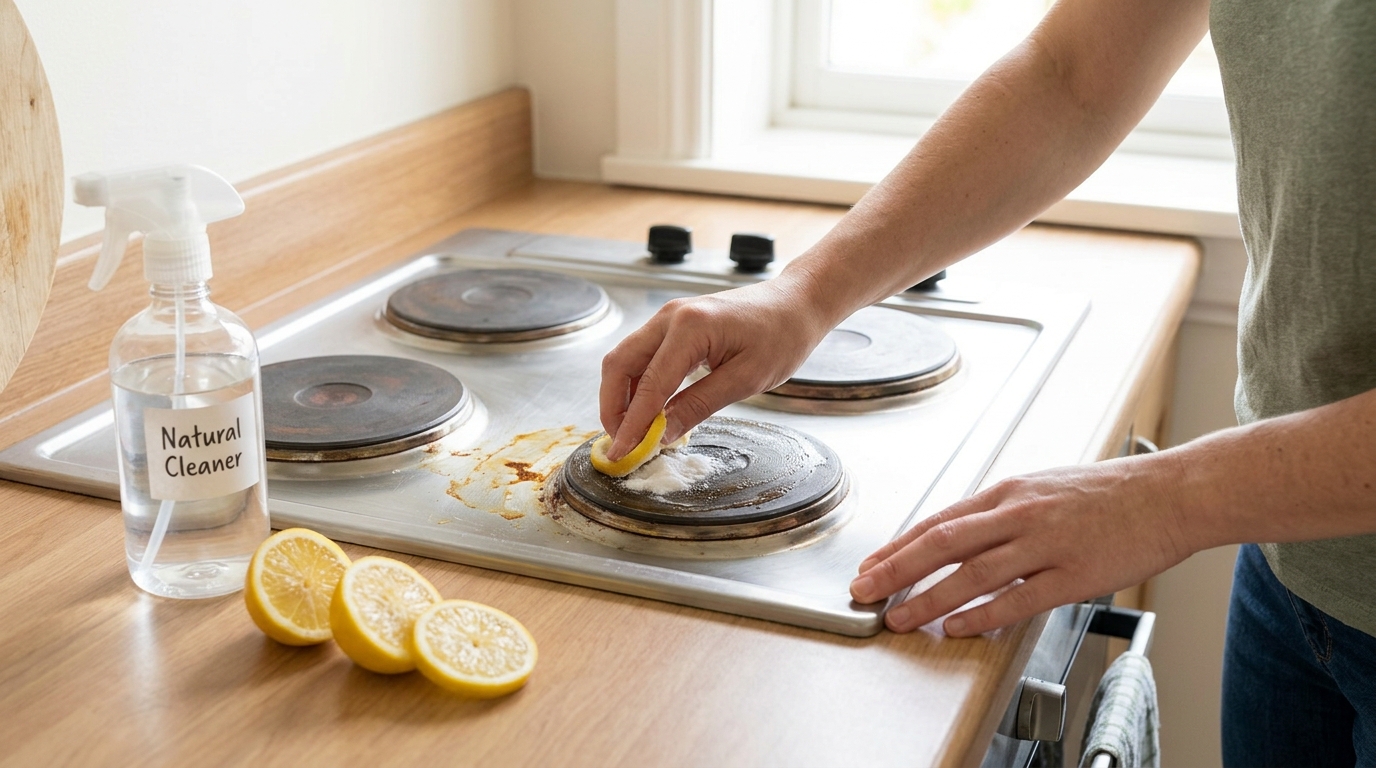
    Finally, consumers can also consider making their own cleaning products using natural ingredients. This can be a cost-effective and fun way to create eco-friendly cleaning products tailored to individual needs.

    Conclusion

    In conclusion, eco-friendly cleaning products offer a sustainable solution for a greener future. While there are challenges to consider, the benefits of using eco-friendly cleaning products far outweigh the costs. By making small changes and supporting brands that prioritize sustainability, we can create a healthier environment for ourselves, our pets, and future generations.

    Frequently Asked Questions

    Q: What are some eco-friendly cleaning products that I can use?

    A: Some popular eco-friendly cleaning products include Seventh Generation, Ecover, and Method. These brands offer a range of cleaning products that are biodegradable, non-toxic, and free from harsh chemicals.

    Q: Are eco-friendly cleaning products more expensive than traditional products?

    A: Yes, eco-friendly cleaning products can be more expensive than traditional products. However, many brands now offer affordable eco-friendly options, and making your own cleaning products using natural ingredients can be a cost-effective solution.

    Q: How do I know if a cleaning product is eco-friendly?

    A: Look for products that are labeled as biodegradable, non-toxic, and free from harsh chemicals. You can also check the ingredient list to ensure that the product uses natural and sustainable ingredients.

    Q: Can I make my own eco-friendly cleaning products at home?

    A: Yes, making your own eco-friendly cleaning products at home can be a fun and cost-effective way to create sustainable cleaning solutions. You can use natural ingredients like baking soda, vinegar, and essential oils to create effective cleaning products.

    Q: Are eco-friendly cleaning products effective at cleaning surfaces?

    A: Yes, eco-friendly cleaning products are just as effective at cleaning surfaces as traditional products. Many eco-friendly cleaning products are designed to be just as effective, if not more effective, than traditional products at cleaning and disinfecting surfaces.

  • Live Sustainably: 5 Surprising Ways to Reduce Your Carbon Footprint

    Live Sustainably: 5 Surprising Ways to Reduce Your Carbon Footprint

    Embracing a Greener Lifestyle: Practical Tips for a More Sustainable Future

    Introduction

    In today’s fast-paced world, it’s easy to get caught up in the hustle and bustle of daily life and forget about the impact our actions have on the planet. However, with the growing concern about climate change, pollution, and environmental degradation, it’s more crucial than ever to adopt a greener lifestyle. By making a few simple changes to our daily habits and routines, we can significantly reduce our ecological footprint and contribute to a more sustainable future.

    Reducing Your Carbon Footprint

    One of the most significant ways to reduce your carbon footprint is to make conscious choices about energy consumption. This can be achieved by:

    • Switching to energy-efficient light bulbs, which use significantly less energy than traditional incandescent bulbs
    • Turning off lights, electronics, and appliances when not in use to avoid standby power consumption
    • Investing in a programmable thermostat to regulate your home’s temperature and avoid unnecessary heating or cooling

    Another effective way to reduce your carbon footprint is to adopt a plant-based diet. Animal agriculture is a significant contributor to greenhouse gas emissions, deforestation, and water pollution. By choosing plant-based options, you can significantly reduce your carbon footprint and promote more sustainable farming practices.

    Living Sustainably at Home

    Living sustainably at home involves making conscious choices about the products and materials you use. This can be achieved by:

    • Using eco-friendly cleaning products, which are free from harsh chemicals and better for the environment
    • Investing in reusable bags, containers, and water bottles to reduce single-use plastics
    • Using public transport, carpooling, or biking to reduce your reliance on fossil fuels

    Additionally, you can reduce your waste by implementing a few simple practices, such as:

    • Composting food waste to create nutrient-rich soil for your garden
    • Reusing and repurposing items, such as old jars and containers, for storage and organization
    • Participating in community recycling programs and properly disposing of hazardous waste

    Supporting Sustainable Practices

    Supporting sustainable practices involves making conscious choices about the products and services you use. This can be achieved by:

    • Purchasing products made from sustainable materials, such as bamboo, cotton, or recycled materials
    • Supporting local farmers and artisans who use sustainable farming practices and reduce their carbon footprint
    • Investing in energy-efficient appliances and renewable energy systems for your home

    By supporting sustainable practices, you can contribute to a more equitable and environmentally conscious society.

    Conclusion

    Embracing a greener lifestyle is not only beneficial for the environment but also for our own well-being. By making a few simple changes to our daily habits and routines, we can significantly reduce our ecological footprint and contribute to a more sustainable future. Remember, every small action counts, and collective efforts can lead to significant positive change.

    FAQ

    Q: What are some simple ways to reduce my energy consumption?

    A: Simple ways to reduce your energy consumption include turning off lights, electronics, and appliances when not in use, using energy-efficient light bulbs, and investing in a programmable thermostat to regulate your home’s temperature.

    Q: What is the impact of animal agriculture on the environment?

    A: Animal agriculture is a significant contributor to greenhouse gas emissions, deforestation, and water pollution. By choosing plant-based options, you can significantly reduce your carbon footprint and promote more sustainable farming practices.

    Q: How can I reduce my waste and live more sustainably at home?

    A: You can reduce your waste by composting food waste, reusing and repurposing items, participating in community recycling programs, and properly disposing of hazardous waste. Additionally, you can use eco-friendly cleaning products, invest in reusable bags and containers, and use public transport or carpool to reduce your reliance on fossil fuels.

    Q: What are some sustainable practices I can support in my daily life?

    A: You can support sustainable practices by purchasing products made from sustainable materials, supporting local farmers and artisans who use sustainable farming practices, and investing in energy-efficient appliances and renewable energy systems for your home.