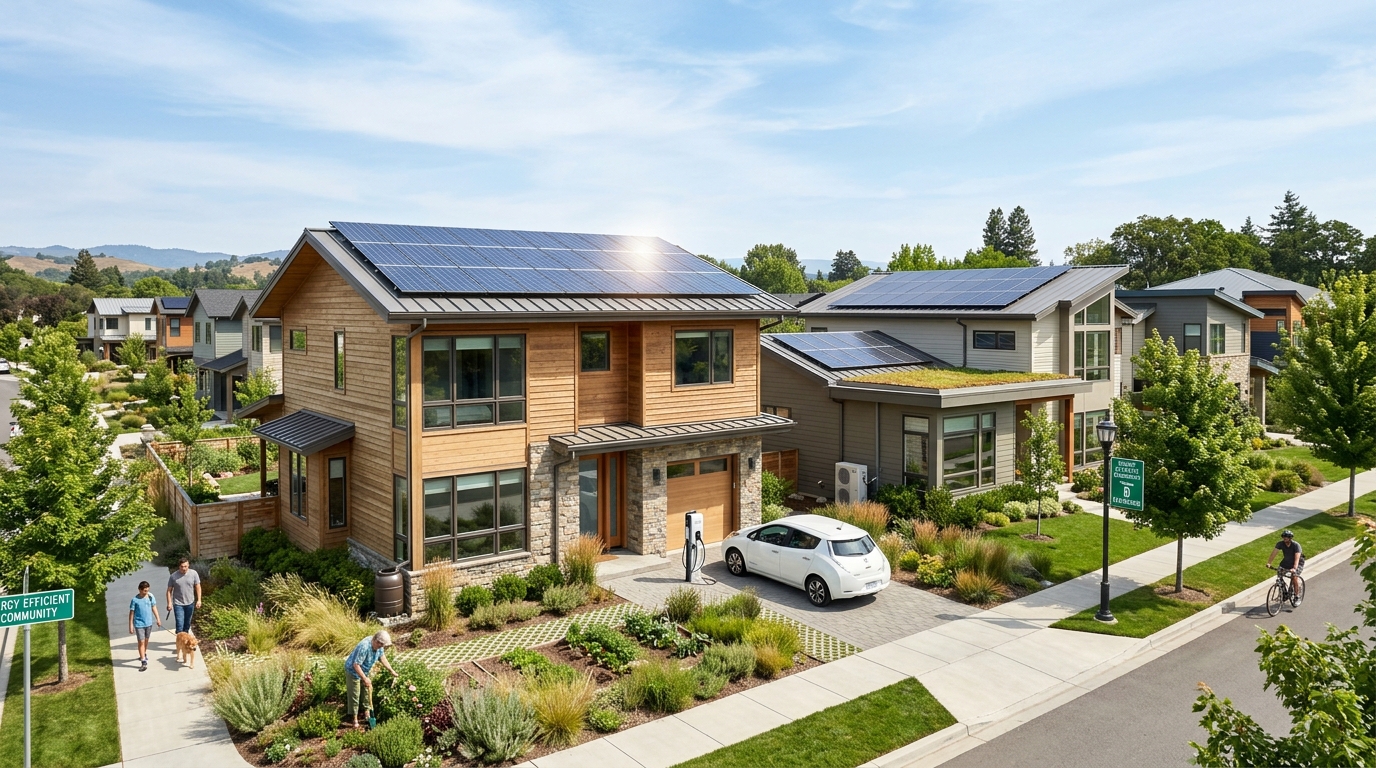
Urban Planning Basics
Urban planning is a complex and multifaceted field that involves designing and developing the built environment of cities and towns. It encompasses a wide range of activities, including land use planning, transportation planning, and infrastructure development. In this article, we will explore the basics of urban planning, including its history, principles, and key concepts.
A Brief History of Urban Planning
Urban planning has its roots in ancient civilizations, where city planners and architects designed and built cities that were functional, efficient, and aesthetically pleasing. The earliest known urban planning efforts date back to ancient Greece and Rome, where cities were designed with public spaces, infrastructure, and architecture that reflected the social and economic status of the inhabitants.
In the Middle Ages, urban planning was largely focused on creating fortified cities and towns that could withstand attacks from invaders. The Renaissance saw a resurgence in urban planning, as cities were designed with grand public spaces, fountains, and architecture that reflected the wealth and power of the ruling class.
The Industrial Revolution brought about significant changes in urban planning, as cities grew rapidly and became centers of industry and commerce. Urban planners focused on creating efficient and functional cities that could accommodate the needs of a growing population.
Key Principles of Urban Planning
Urban planning is guided by a set of principles that aim to create livable, sustainable, and equitable cities. These principles include:
- Equity and social justice: Urban planning should aim to create cities that are equitable and just, with opportunities for all residents to thrive.
- Sustainability: Urban planning should prioritize environmental sustainability, including reducing carbon emissions, conserving natural resources, and promoting green spaces.
- Community engagement: Urban planning should involve and engage with the community, including residents, businesses, and other stakeholders, to ensure that their needs and aspirations are reflected in the planning process.
- Compact and connected cities: Urban planning should aim to create compact and connected cities that are walkable, bikeable, and accessible by public transportation.
- Resilience and adaptability: Urban planning should prioritize resilience and adaptability, including designing cities that can withstand natural disasters, climate change, and other external threats.
The Importance of Urban Planning
Urban planning is crucial for creating cities that are livable, sustainable, and equitable. Some of the key reasons why urban planning is important include:
- Creating livable cities: Urban planning helps to create cities that are safe, clean, and healthy, with access to green spaces, public transportation, and amenities.
- Promoting economic growth: Urban planning can help to create cities that are economically vibrant, with opportunities for business and investment.
- Supporting social equity: Urban planning can help to create cities that are equitable and just, with opportunities for all residents to thrive.
- Addressing climate change: Urban planning can help to create cities that are resilient and adaptable, with strategies for mitigating and adapting to climate change.
The Role of Urban Planners</hassistant
Urban Planning Process
The urban planning process involves a series of steps that aim to create a comprehensive and integrated plan for the city. These steps include:
- Needs assessment: Identifying the needs and aspirations of the community, including residents, businesses, and other stakeholders.
- Policy and plan development: Developing policies and plans that reflect the needs and aspirations of the community, including land use, transportation, and infrastructure development.
- Design and development: Designing and developing the built environment of the city, including public spaces, buildings, and infrastructure.
- Implementation and monitoring: Implementing and monitoring the plan, including tracking progress, addressing challenges, and making adjustments as needed.
Key Concepts in Urban Planning
Urban planning involves a range of concepts and techniques, including:
- Urban design: The art and science of designing and developing the built environment of cities and towns.
- Land use planning: The process of allocating land for different uses, including residential, commercial, and industrial development.
- Transportation planning: The process of designing and developing transportation systems, including roads, public transportation, and pedestrian and bike infrastructure.
- Infrastructure development: The process of designing and developing infrastructure, including buildings, roads, and utilities.
Challenges in Urban Planning
Urban planning is a complex and challenging field, with a range of obstacles and constraints that must be addressed. Some of the key challenges in urban planning include:
- Conflict between competing interests: Urban planning often involves conflicting interests, including between residents, businesses, and other stakeholders.
- Limited resources: Urban planning often involves limited resources, including funding, expertise, and personnel.
- Changing demographics and needs: Urban planning must adapt to changing demographics and needs, including population growth, migration, and social change.
- Environmental and climate change challenges: Urban planning must prioritize sustainability and resilience, including addressing climate change and environmental degradation.
Conclusion
Urban planning is a complex and multifaceted field that involves designing and developing the built environment of cities and towns. It encompasses a wide range of activities, including land use planning, transportation planning, and infrastructure development. By understanding the principles, process, and key concepts of urban planning, cities can be created that are livable, sustainable, and equitable. However, urban planning also involves challenges, including conflict, limited resources, changing demographics, and environmental and climate change challenges.
FAQ
What is the role of urban planners in urban planning?
Urban planners play a crucial role in urban planning, including identifying the needs and aspirations of the community, developing policies and plans, and implementing and monitoring the plan. They must balance competing interests, prioritize sustainability and resilience, and adapt to changing demographics and needs.
What are the key principles of urban planning?
The key principles of urban planning include equity and social justice, sustainability, community engagement, compact and connected cities, and resilience and adaptability. Urban planners must prioritize these principles to create cities that are livable, sustainable, and equitable.
What is the importance of urban planning in creating livable cities?
Urban planning is crucial for creating cities that are safe, clean, and healthy, with access to green spaces, public transportation, and amenities. It also promotes economic growth, supports social equity, and addresses climate change.
How does urban planning address the challenges of climate change?
Urban planning can help to create cities that are resilient and adaptable, with strategies for mitigating and adapting to climate change. This includes designing cities with green infrastructure, promoting renewable energy, and implementing climate-resilient infrastructure.
What are some of the key concepts in urban planning?
Some of the key concepts in urban planning include urban design, land use planning, transportation planning, and infrastructure development. Urban planners must understand these concepts to create cities that are functional, efficient, and aesthetically pleasing.