Embracing the Beauty of Glass House Inspiration
For those who appreciate the unique charm of a glass house, there’s no shortage of inspiration to be found. Whether you’re a designer, an architect, or simply someone who appreciates the beauty of modern design, glass houses have a way of captivating our imagination and pushing the boundaries of what’s possible in home construction.
The Allure of Glass Houses
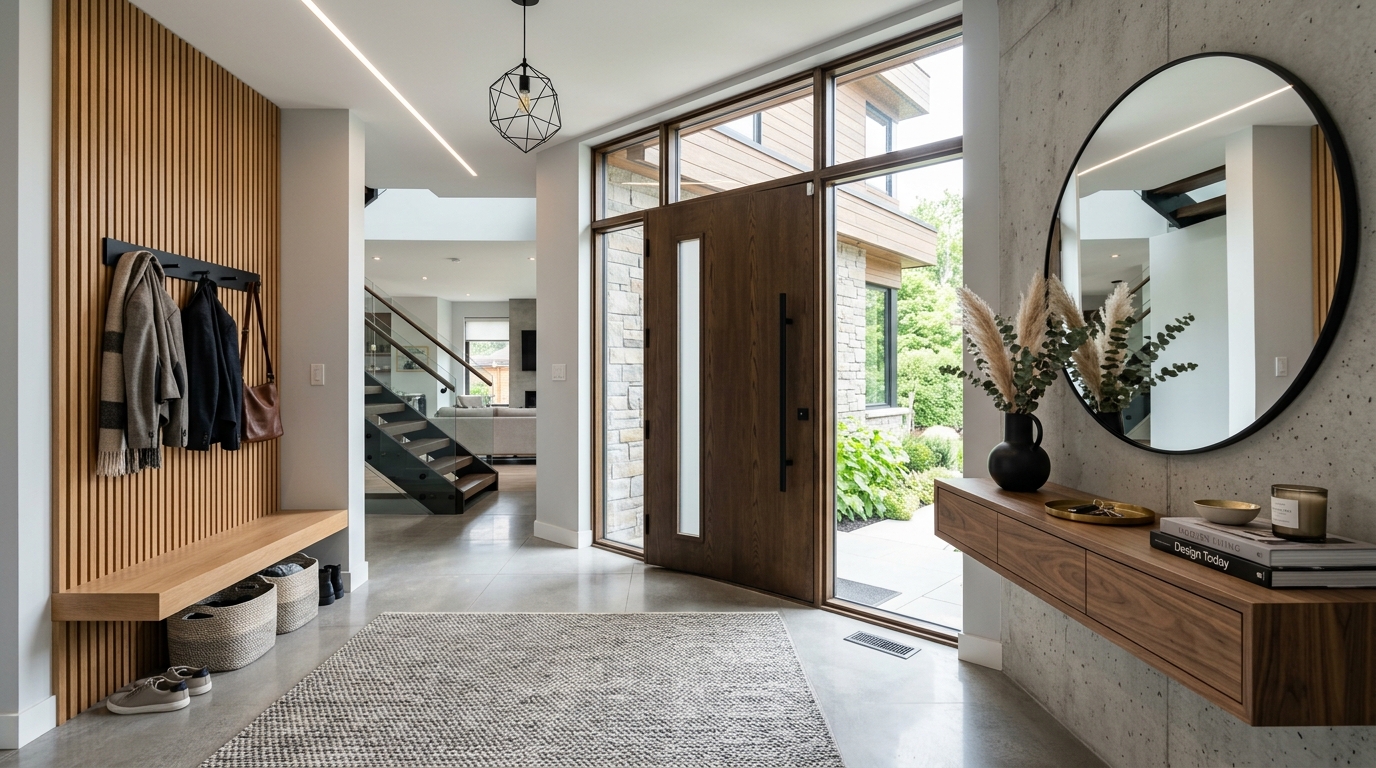
One of the primary reasons glass houses have become so popular in recent years is their ability to seamlessly blend the indoors and outdoors. By incorporating large expanses of glass into a home’s design, architects and designers can create a sense of continuity between the interior and exterior spaces, making the home feel more connected to its surroundings.
Furthermore, glass houses offer a range of aesthetic benefits. The use of glass allows for an abundance of natural light to enter the home, which can have a profound impact on both the mood and atmosphere of the space. This, in turn, can make the home feel more welcoming and inviting, perfect for those who value a sense of community and connection with others.
Designing a Glass House
When it comes to designing a glass house, there are numerous factors to consider. One of the key considerations is the orientation of the home. By carefully planning the placement of windows and doors, architects can maximize the amount of natural light that enters the home, while also ensuring that the space feels well-ventilated and airy.
Another important consideration is the use of different types of glass. While clear glass is often the most obvious choice, there are a range of other options available, including tinted glass, low-e glass, and even glass with a frosted or textured finish. Each of these options can have a profound impact on the overall aesthetic of the home, and can help to create a unique and personalized look.
Materials and Construction
The materials used in the construction of a glass house can have a significant impact on its overall appearance and feel. One of the most common materials used is steel, which can be used to create a sleek and modern look. However, other materials such as wood, aluminum, and even reclaimed materials can also be used to create a more rustic or earthy feel.
When it comes to the actual construction of the home, there are a range of different techniques that can be employed. From traditional stick-framing to more modern methods such as panelized construction, each has its own advantages and disadvantages. Ultimately, the choice of construction method will depend on the specific needs and goals of the project.
Benefits of Glass Houses
So why choose a glass house? There are numerous benefits to consider, each of which can have a profound impact on the overall quality of life. For one, glass houses offer a unique opportunity to connect with nature, whether that’s through a large sliding glass door or a wall of windows.
Another benefit of glass houses is their ability to make a home feel more spacious. By incorporating large expanses of glass into a home’s design, architects and designers can create a sense of continuity between the interior and exterior spaces, making the home feel more expansive and airy.
Finally, glass houses can also offer a range of energy efficiency benefits. By incorporating low-e glass and other energy-efficient features into a home’s design, architects and designers can create a space that’s not only beautiful, but also environmentally friendly.
Practical Applications
Q: Can I build a glass house on a budget?
A: While glass houses can be more expensive to build than traditional homes, there are numerous ways to make them more affordable. One option is to use reclaimed or recycled materials, which can help to reduce the overall cost of the project. Another option is to consider a smaller design, which can be more budget-friendly than a larger home.
Q: What are the benefits of using low-e glass in a glass house?
A: Low-e glass is designed to reduce heat transfer and minimize heat loss. By incorporating low-e glass into a home’s design, architects and designers can create a space that’s not only beautiful, but also energy-efficient.
Q: How can I incorporate natural materials into a glass house design?
A: There are numerous ways to incorporate natural materials into a glass house design, including the use of reclaimed wood, natural stone, and even plants and greenery. By incorporating these elements into a home’s design, architects and designers can create a space that feels more connected to nature.
Q: Can I use glass houses in cold climates?
A: While glass houses can be more challenging to heat in cold climates, there are numerous ways to make them more energy-efficient. One option is to use a more insulated glass, which can help to reduce heat loss. Another option is to incorporate features such as radiant floor heating, which can help to warm the space.
Conclusion
For those who appreciate the unique charm of a glass house, there’s no shortage of inspiration to be found. Whether you’re a designer, an architect, or simply someone who appreciates the beauty of modern design, glass houses have a way of captivating our imagination and pushing the boundaries of what’s possible in home construction.
From their ability to seamlessly blend the indoors and outdoors, to their unique aesthetic benefits and energy efficiency features, glass houses have a lot to offer. And with numerous practical applications and benefits to consider, it’s no wonder why they’ve become such a popular choice in recent years.
So if you’re looking for inspiration for your next design project, look no further than the world of glass houses. With their unique blend of form and function, they’re sure to captivate your imagination and inspire your creativity.