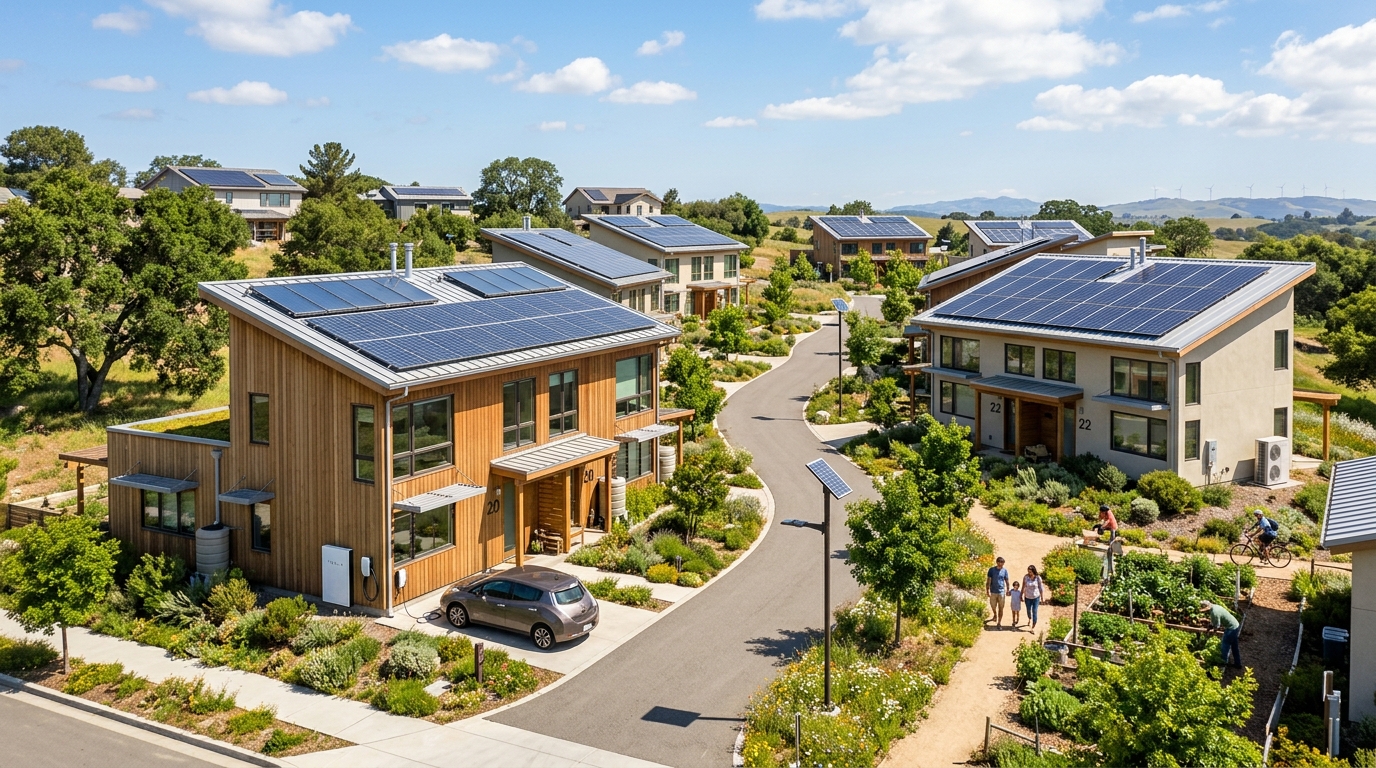
Future City Architecture: A Vision for Sustainable and Efficient Urban Planning
The Rise of Sustainable Cities
The world is facing an unprecedented urbanization boom, with over 50% of the global population living in cities. This shift has significant implications for urban planning, infrastructure, and architecture. Future city architecture is not just about designing buildings and spaces, but about creating sustainable, efficient, and livable cities that can accommodate the needs of a growing population.
Key Principles of Future City Architecture
Future city architecture is guided by several key principles, including:
- Sustainability**: Cities must be designed to minimize their environmental footprint, using renewable energy sources, reducing waste, and promoting green spaces.
- Efficiency**: Buildings and infrastructure must be designed to maximize energy efficiency, reduce energy consumption, and promote a high quality of life for citizens.
- Resilience**: Cities must be designed to withstand natural disasters, climate change, and other external factors that can impact their infrastructure and inhabitants.
- Innovation**: Future city architecture must incorporate cutting-edge technologies, materials, and design solutions to improve the quality of life for citizens and promote economic growth.
Designing the City of the Future
Future city architecture involves designing cities that are not only sustainable but also efficient, resilient, and innovative. Some key design elements include:
- Vertical Farming**: Building vertically to maximize space, reduce land use, and promote urban agriculture.
- Green Infrastructure**: Incorporating green roofs, walls, and other sustainable design elements to reduce the urban heat island effect and promote biodiversity.
- Smart Transportation**: Designing efficient and sustainable transportation systems, including electric and self-driving vehicles, bike-share programs, and pedestrian-friendly infrastructure.
- Energy-Efficient Buildings**: Designing buildings that use renewable energy sources, such as solar and wind power, and incorporate energy-efficient materials and technologies.
The Role of Technology in Future City Architecture
Technology plays a crucial role in future city architecture, enabling the creation of smart, efficient, and sustainable cities. Some key technologies include:
- IoT and Data Analytics**: Using data analytics and IoT sensors to monitor and manage city infrastructure, optimize energy consumption, and improve public services.
- Autonomous Vehicles**: Designing cities that can accommodate self-driving vehicles, reducing traffic congestion and improving air quality.
- Renewable Energy**: Incorporating renewable energy sources, such as solar and wind power, to reduce the city’s carbon footprint and promote energy independence.
The Challenges and Opportunities of Future City Architecture
Future city architecture presents both challenges and opportunities. Some key challenges include:
- High Upfront Costs**: Implementing sustainable and efficient technologies and infrastructure can be costly, requiring significant investment and funding.
- Public Resistance**: Some citizens may resist changes to their urban environment, such as the implementation of smart traffic systems or bike-share programs.
- Climate Change**: Cities must be designed to withstand the impacts of climate change, including more frequent natural disasters and extreme weather events.
Conclusion
Future city architecture is not just about designing buildings and spaces, but about creating sustainable, efficient, and livable cities that can accommodate the needs of a growing population. By incorporating key principles, design elements, and technologies, cities can become more resilient, innovative, and livable for generations to come.
FAQ
Q: What are the key principles of future city architecture?
A: The key principles of future city architecture include sustainability, efficiency, resilience, and innovation.
Q: How can cities reduce their environmental footprint?
A: Cities can reduce their environmental footprint by using renewable energy sources, reducing waste, and promoting green spaces.
Q: What role does technology play in future city architecture?
A: Technology plays a crucial role in future city architecture, enabling the creation of smart, efficient, and sustainable cities through the use of IoT sensors, data analytics, and autonomous vehicles.
Q: What are the challenges of implementing future city architecture?
A: The challenges of implementing future city architecture include high upfront costs, public resistance, and the need to adapt to climate change.
Q: How can cities become more resilient in the face of climate change?
A: Cities can become more resilient by designing infrastructure that can withstand natural disasters and extreme weather events, and by incorporating green spaces and sustainable design elements.