Tag: public spaces.

  • 10 Hidden Gems of Urban Parks That Will Change Your Commute Forever

    10 Hidden Gems of Urban Parks That Will Change Your Commute Forever

    Discover the Best Urban Parks for a Greener You

    Introduction

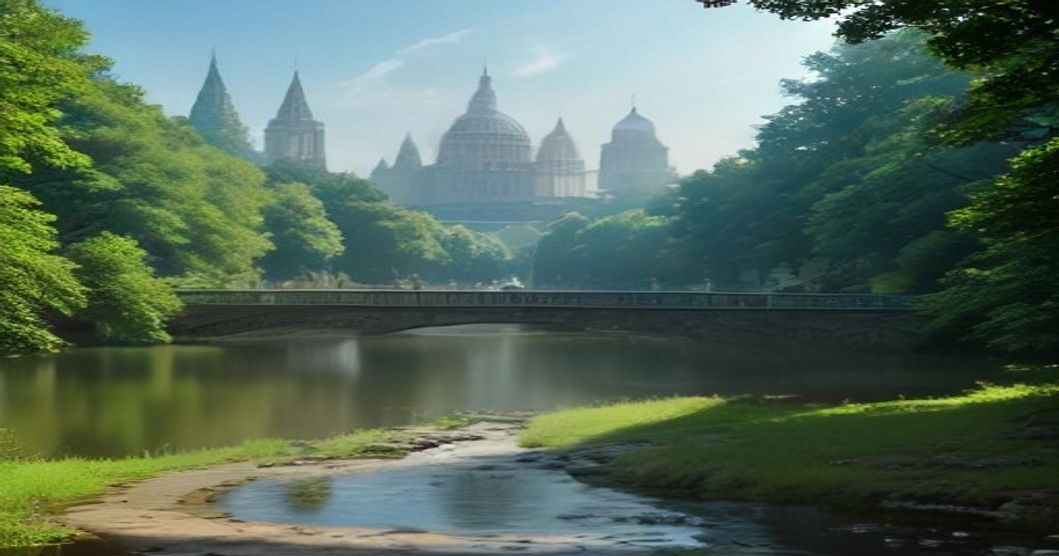
    As urbanization continues to shape the modern landscape, it’s refreshing to know that cities are evolving to incorporate more green spaces. Urban parks, once considered a luxury, have become a staple in many metropolitan areas. These parks not only provide a serene escape from the concrete jungle but also play a crucial role in promoting environmental sustainability, community engagement, and overall well-being. In this article, we’ll delve into the best urban parks, exploring their unique features, benefits, and what makes them stand out.

    The Importance of Urban Parks

    Green Oases in the City

    Urban parks serve as a vital connection between nature and urban living. These green spaces offer a multitude of benefits, including:

    • Improved air quality: Trees and greenery help purify the air, reducing pollution levels.
    • Increased physical activity: Urban parks encourage people to engage in outdoor activities like walking, jogging, or sports, promoting a healthier lifestyle.
    • Enhanced mental health: Being in nature has been shown to reduce stress, anxiety, and depression.
    • Community building: Parks often host events, festivals, and gatherings, fostering a sense of community and social connection.

    Design and Architecture

    Urban parks come in various shapes and sizes, each with its unique design and architectural style. Some notable features include:

    • Water features: Lakes, rivers, or fountains add an element of tranquility and visual interest.
    • Landscaping: Carefully curated plant species, gardens, and flowerbeds create a beautiful and inviting atmosphere.
    • Public art: Murals, sculptures, and other forms of public art can transform a park into a vibrant and engaging space.
    • Playgrounds and recreational areas: Ample space for children to play and adults to relax and engage in physical activities.

    The Best Urban Parks Around the World

    1. Central Park, New York City, USA

    One of the most iconic urban parks, Central Park is an 843-acre green haven in the heart of Manhattan. Designed by Frederick Law Olmsted and Calvert Vaux, it features numerous attractions, including the Bethesda Fountain, Loeb Boathouse, and the Conservatory Garden.

    2. Hyde Park, London, UK

    London’s largest park, Hyde Park covers 142 hectares of land and offers a serene escape from the bustling city. It’s home to the famous Diana Fountain, the Serpentine Lake, and the Royal College of Physicians.

    3. Luxembourg Gardens, Paris, France

    Located in the heart of Paris, Luxembourg Gardens is a 25-hectare park that showcases the city’s rich history and architecture. Its beautiful gardens, fountains, and statues make it a must-visit destination.

    4. Stanley Park, Vancouver, Canada

    One of North America’s largest urban parks, Stanley Park spans 1,000 acres and features a stunning beach, a scenic drive, and the popular Stanley Park Ecology Society.

    5. The Botanic Gardens, Singapore

    Comprising 82 hectares of lush greenery, the Botanic Gardens is a tranquil oasis in the heart of the city. Its unique attractions include the Rainforest, the Fragrance Garden, and the stunning Cloud Forest.

    Practical Tips for Visiting Urban Parks

    FAQs

    Q: What are the best times to visit urban parks?

    A: The best times to visit urban parks depend on your personal preference. If you prefer cooler weather, early mornings or late afternoons are ideal. If you want to avoid crowds, consider visiting during the week or during off-peak seasons.

    Q: Can I bring my pets to urban parks?

    A: While many urban parks allow pets, it’s essential to check with park authorities or local regulations beforehand. Some parks may have specific rules or restrictions on pet ownership.

    Q: Are urban parks suitable for families with young children?

    A: Yes, urban parks are perfect for families with young children. Many parks offer playgrounds, children’s areas, and educational programs, making them an excellent way to introduce your little ones to the outdoors.

    Q: Can I host events or gatherings in urban parks?

    A: Some urban parks allow events and gatherings, but it’s crucial to check with park authorities or local regulations beforehand. Be sure to follow any necessary permits, rules, or guidelines.

    Conclusion

    Urban parks are a treasure trove of benefits, from improved air quality and increased physical activity to enhanced mental health and community building. By incorporating these green spaces into our cities, we can create more livable, sustainable, and enjoyable environments for all. Whether you’re a nature lover, a fitness enthusiast, or simply someone who appreciates a good stroll, urban parks offer something for everyone. So, go ahead and explore the best urban parks around the world – your well-being will thank you!

  • 7 Surprising Ways Urban Green Spaces Can Transform Your City’s Health

    7 Surprising Ways Urban Green Spaces Can Transform Your City’s Health

    Unlocking the Power of Urban Green Spaces: Benefits for Communities and Individuals

    As the world’s population continues to urbanize, the importance of green spaces within cities cannot be overstated. Urban green spaces, such as parks, gardens, and green roofs, play a vital role in enhancing the quality of life for urban dwellers. These areas not only provide a tranquil escape from the hustle and bustle of city life but also offer numerous benefits for both communities and individuals.

    The Physical and Mental Health Benefits

    Research has consistently shown that spending time in nature has a positive impact on both physical and mental health. Exposure to natural environments has been linked to reduced stress levels, improved mood, and even lower blood pressure. Urban green spaces offer a chance for individuals to disconnect from the demands of urban life and reconnect with nature, fostering a sense of well-being and calm.

    • Reduced stress levels and improved mental health
    • Increased physical activity through walking, jogging, or other outdoor activities
    • Access to green spaces for relaxation and recreation

    The Community Benefits

    Urban green spaces serve as community hubs, fostering a sense of community and social connection. These areas provide opportunities for community events, such as festivals, concerts, and farmers’ markets, bringing people together and promoting a sense of belonging. Additionally, green spaces can be designed to include public art installations, educational programs, and community gardens, making them vibrant and engaging parts of the city.

    • Community events and activities that foster social connections
    • Access to community resources, such as public art and educational programs
    • Opportunities for community members to participate in urban agriculture and food production

    The Environmental Benefits

    Urban green spaces play a crucial role in mitigating the urban heat island effect, reducing air pollution, and absorbing rainwater. These areas also provide habitats for urban wildlife, supporting biodiversity and ecosystem services. By incorporating green roofs, green walls, and urban forests into city design, municipalities can reduce their environmental footprint and create a more sustainable urban environment.

    • Reduced urban heat island effect and improved air quality
    • Increased absorption of rainwater and reduced stormwater runoff
    • Support for urban wildlife and biodiversity

    The Economic Benefits

    Investing in urban green spaces can have a positive impact on local economies. Green areas can attract businesses and investments, increase property values, and enhance the overall quality of life for residents. This, in turn, can lead to increased tourism, improved local spending, and a more vibrant and dynamic city.

    • Increased property values and local economic growth
    • Attracting businesses and investments through green spaces
    • Improved local spending and increased tourism

    The Practical Considerations

    While the benefits of urban green spaces are undeniable, their implementation requires careful planning and consideration. Key factors to keep in mind include:

    Q: What are the most effective ways to create urban green spaces?

    A: Integrating green spaces into city design, incorporating green roofs and walls, and creating community gardens and parks are effective ways to create urban green spaces.

    Q: How can urban green spaces be maintained and sustained?

    A: Collaborative community efforts, public-private partnerships, and innovative funding models can help maintain and sustain urban green spaces.

    Q: What are the key considerations for urban planning and design?

    A: Urban planners and designers should prioritize green spaces, incorporate community feedback, and balance competing interests to create effective and sustainable urban environments.

    Q: How can urban green spaces be integrated into existing city infrastructure?

    A: Incorporating green spaces into existing infrastructure, such as abandoned lots or rooftops, and using innovative technologies, like green walls and vertical gardens, can help integrate urban green spaces into existing city infrastructure.

    Conclusion

    Urban green spaces offer a wealth of benefits for communities and individuals alike. From the physical and mental health benefits to the community, environmental, and economic benefits, these areas are essential components of a healthy, thriving, and sustainable city. By prioritizing green spaces in urban planning and design, we can create vibrant, livable cities that support the well-being of all residents.