
Tag: Sustainability

  • 10 Simple DIY Recycling Ideas to Transform Your Home and Your Planet

    10 Simple DIY Recycling Ideas to Transform Your Home and Your Planet

    Get Creative with DIY Recycling Ideas

    Recycling is an essential aspect of reducing our environmental footprint. While many of us are familiar with the basics of recycling, such as sorting plastics, glass, and paper, there are numerous creative and innovative DIY recycling ideas that can help take our efforts to the next level. In this article, we’ll explore some practical and effective DIY recycling ideas that you can implement in your daily life.

    The Benefits of DIY Recycling

    Engaging in DIY recycling has numerous benefits, including reducing waste, conserving natural resources, and saving energy. By repurposing and reusing materials, we can significantly decrease the amount of waste sent to landfills and minimize the production of new, raw materials. This not only helps the environment but also saves us money by reducing our reliance on single-use products and materials.

    Upcycling and Repurposing

    One of the most creative and effective DIY recycling ideas is upcycling and repurposing. This involves taking old or discarded items and transforming them into new, functional, or decorative items. For example, you can turn an old pallet into a planter or a coffee table, or transform an old mason jar into a unique candle holder or vase. Upcycling and repurposing not only reduce waste but also add a touch of personality to your home decor.

    DIY Recycling Ideas for Common Household Items

    Here are some practical DIY recycling ideas for common household items:

    • Turn old plastic bottles into self-watering planters or bird feeders.
    • Use old cardboard boxes to create custom storage containers or shelves.
    • Transform old wooden crates into planters or a coffee table.
    • Upcycle old t-shirts into reusable bags or cleaning rags.

    Creating Art from Waste

    Another creative aspect of DIY recycling is creating art from waste. This can include turning discarded materials into unique sculptures, paintings, or installations. For example, you can use old plastic bottles to create a colorful wind chime or turn old newspaper into a decorative lantern. This not only adds a touch of creativity to your home but also raises awareness about the importance of reducing waste.

    Reducing Food Waste

    Food waste is a significant problem worldwide, with millions of tons of food being discarded each year. One of the most effective DIY recycling ideas for reducing food waste is composting. This involves turning food scraps and other organic materials into nutrient-rich fertilizer for your garden. By composting, you can significantly reduce the amount of food waste sent to landfills and create a sustainable source of fertilizer for your garden.

    Conclusion

    DIY recycling ideas are an excellent way to reduce waste, conserve natural resources, and save energy. By engaging in creative and innovative DIY recycling projects, you can significantly contribute to a more sustainable future. Whether it’s upcycling and repurposing, creating art from waste, or reducing food waste, there are numerous DIY recycling ideas that you can implement in your daily life. So, get creative, get inspired, and join the movement towards a more sustainable future.

    FAQs

    Q: What is the best way to start a DIY recycling project?

    A: The best way to start a DIY recycling project is to identify the types of materials you want to recycle and then brainstorm creative ideas for repurposing or upcycling them. You can also explore online resources, such as blogs and social media, for inspiration and ideas.

    Q: Can I recycle plastics and other non-biodegradable materials?

    A: While plastics and other non-biodegradable materials can be challenging to recycle, there are still ways to repurpose or upcycle them. For example, you can turn old plastic containers into planters or bird feeders, or use old plastic bags to create a unique wind chime.

    Q: How can I ensure that my DIY recycling project is safe and sustainable?

    A: When implementing a DIY recycling project, it’s essential to ensure that the materials you’re using are safe and sustainable. This includes selecting materials that are free from chemicals and toxins, and using them in a way that minimizes waste and conserves resources.

    Q: Can I start a DIY recycling project with just a few materials?

    A: Yes, you can start a DIY recycling project with just a few materials. For example, you can start by collecting old plastic bottles or cardboard boxes and then brainstorm creative ideas for repurposing or upcycling them. As you become more confident and creative, you can expand your project to include more materials and ideas.

    Q: How can I share my DIY recycling project with others?

    A: One of the best ways to share your DIY recycling project is to document it through photos and videos. You can also share your ideas and inspiration with friends and family, or participate in online communities and forums to connect with others who share your passion for DIY recycling.
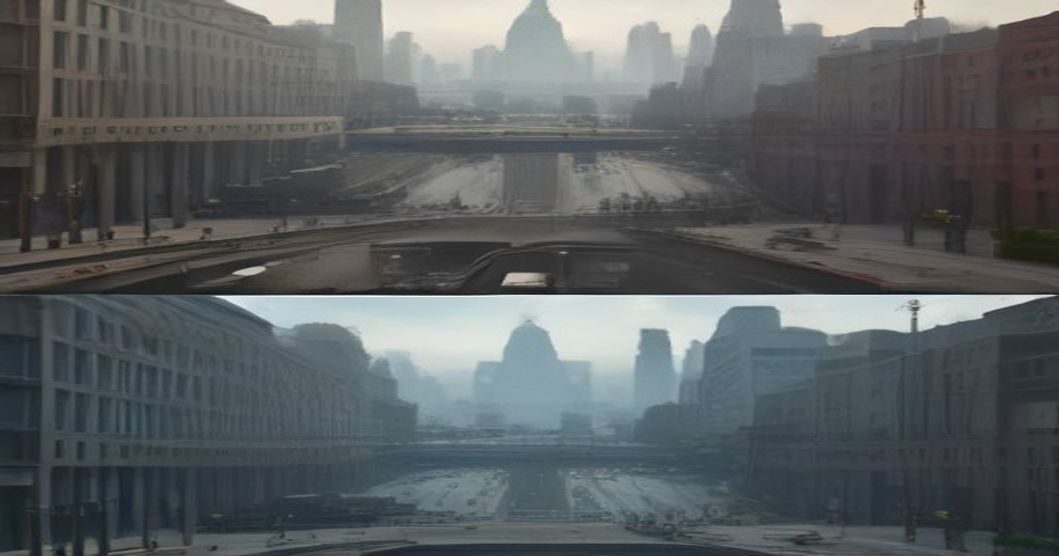
  • Revitalizing Cityscapes with AI: 5 Ways Smarter Infrastructure Elevates Urban Living

    Revitalizing Cityscapes with AI: 5 Ways Smarter Infrastructure Elevates Urban Living

    Revolutionizing Urban Development: The Rise of AI

    The Evolution of Urban Planning

    For centuries, urban development has been shaped by human ingenuity and creativity. However, the advent of artificial intelligence (AI) has introduced a new era of innovation, transforming the way cities are designed, built, and managed. From smart traffic management to energy-efficient buildings, AI is revolutionizing the urban landscape, making our cities more livable, sustainable, and connected.

    The Role of AI in Urban Development

    AI is being increasingly employed in urban development to tackle complex challenges. One of the primary applications of AI in urban planning is in data analysis. Cities generate vast amounts of data, from traffic patterns to energy consumption, which can be overwhelming for human planners to process. AI algorithms can quickly analyze this data, identifying trends and patterns that can inform urban planning decisions.

    Another critical area where AI is making a significant impact is in infrastructure management. AI-powered systems can monitor and manage infrastructure in real-time, preventing failures and ensuring optimal performance. For instance, AI can detect anomalies in traffic flow, allowing for swift adjustments to traffic signals, reducing congestion, and minimizing travel times.

    Smart City Initiatives

    Smart city initiatives are a hallmark of urban development in the AI era. By leveraging AI, cities can become more efficient, responsive, and sustainable. For example, AI-powered waste management systems can optimize waste collection routes, reducing costs and emissions. Similarly, AI-driven energy management systems can optimize energy consumption in buildings, reducing waste and promoting renewable energy sources.

    Furthermore, AI is transforming the way cities interact with their citizens. AI-powered chatbots and virtual assistants are being used to provide citizens with personalized information and services, making urban living more convenient and engaging.

    Challenges and Opportunities

    While AI holds tremendous potential for urban development, it also presents several challenges. One of the primary concerns is data security. As AI systems collect and process vast amounts of data, there is a risk of data breaches and unauthorized access. Cities must ensure that their AI systems are secure, transparent, and accountable.

    Another challenge is the need for skilled professionals who can design, implement, and maintain AI systems. Cities must invest in AI training and education to ensure that they have the necessary expertise to harness the benefits of AI.

    The Future of Urban Development

    As AI continues to evolve, we can expect to see even more innovative applications in urban development. From self-driving cars to AI-powered public transportation systems, the possibilities are endless. Cities that adopt AI early will reap the benefits of increased efficiency, sustainability, and livability.

    However, it is essential to strike a balance between the benefits of AI and its potential risks. Cities must ensure that AI is used responsibly, with transparency and accountability at the forefront of decision-making.

    Conclusion

    AI is revolutionizing urban development, transforming the way cities are designed, built, and managed. As AI continues to evolve, we can expect to see even more innovative applications in urban development. While there are challenges to overcome, the benefits of AI in urban development are undeniable. By embracing AI, cities can become more livable, sustainable, and connected, setting the stage for a brighter, more resilient future.

    FAQs

    What is the primary role of AI in urban development?

    AI is primarily employed in urban development to analyze data, optimize infrastructure management, and enhance smart city initiatives, making cities more efficient, responsive, and sustainable.

    How can AI improve energy efficiency in buildings?

    AI can optimize energy consumption in buildings by identifying areas of inefficiency, recommending energy-saving measures, and adjusting building management systems to minimize waste and promote renewable energy sources.

    What are some of the key challenges associated with AI in urban development?

    Some of the key challenges associated with AI in urban development include data security, the need for skilled professionals, and the risk of bias in AI decision-making.

    Can AI replace human urban planners?

    No, AI is not a replacement for human urban planners. AI can assist planners in data analysis, infrastructure management, and other tasks, but human intuition, creativity, and empathy are still essential components of effective urban planning.